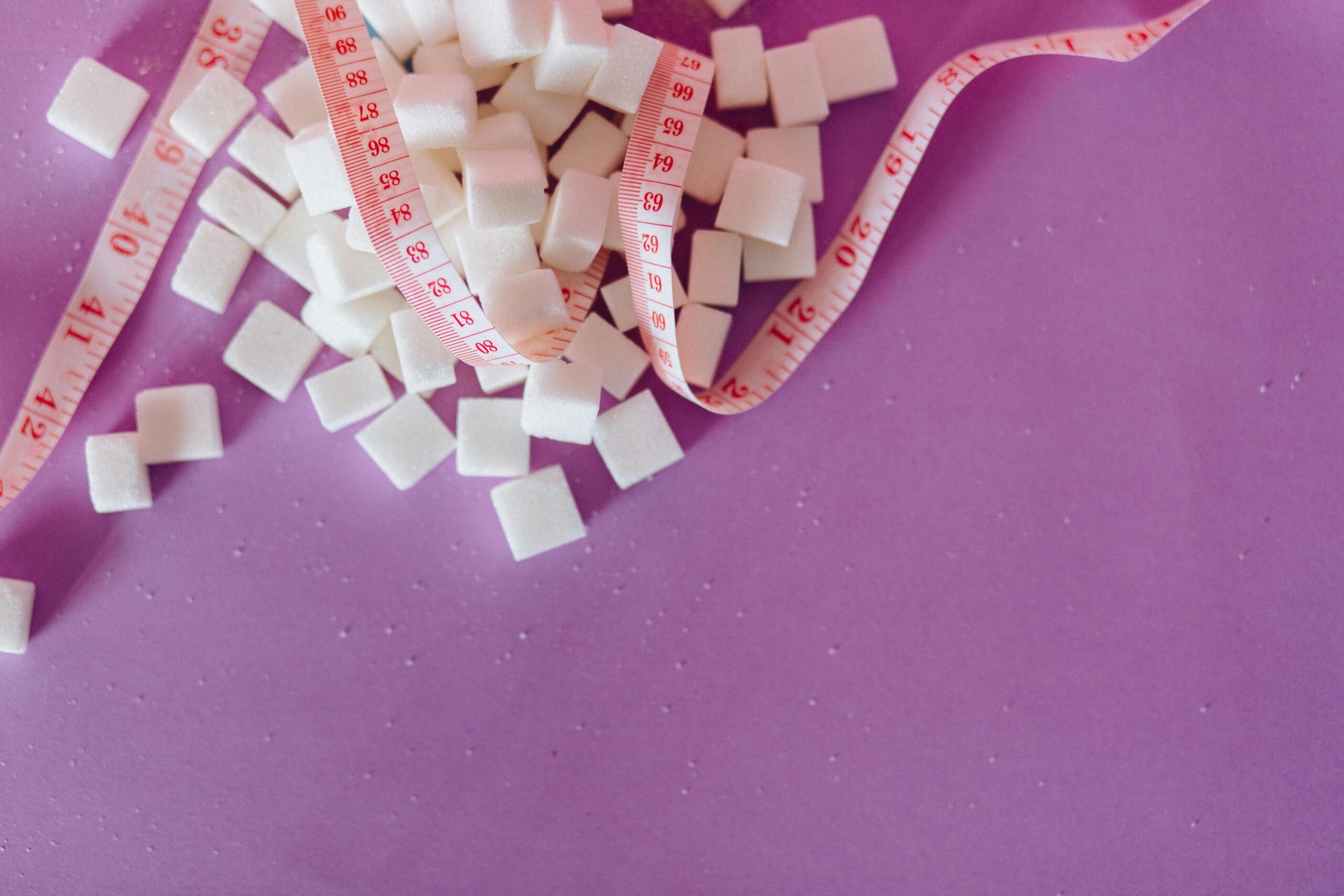
Sugar hides in plain sight on grocery store shelves, disguised under dozens of unfamiliar names that most consumers never recognize or understand.

Every day, millions of people unknowingly consume far more sugar than recommended, not from obvious sources like candy or soda, but from seemingly healthy products marketed as nutritious choices. The food industry has mastered the art of concealing sugars within ingredient lists, using technical terminology that confuses even health-conscious shoppers. Understanding how to identify these hidden sweeteners is essential for anyone seeking to take control of their dietary choices and overall wellness.
🔍 The Shocking Reality of Sugar Consumption
The average American consumes approximately 77 grams of sugar daily—more than triple the American Heart Association’s recommendation of 25 grams for women and 36 grams for men. What’s particularly alarming is that roughly 75% of this sugar comes from processed and packaged foods rather than the sugar bowl on your kitchen table.
This excessive consumption has been linked to numerous health problems, including obesity, type 2 diabetes, heart disease, fatty liver disease, cognitive decline, and certain cancers. Yet despite growing awareness about sugar’s dangers, consumption rates remain stubbornly high because most people simply don’t realize how much sugar they’re actually eating.
The Many Faces of Sugar: A Master of Disguise
One of the food industry’s most effective strategies is using various names for sugar on ingredient labels. By listing multiple types of sweeteners separately, manufacturers can keep “sugar” from appearing as the first ingredient—even when the combined total would place it at the top.
Common Sugar Aliases You Need to Know
Sugar appears on labels under more than 60 different names. Here are the most common culprits:
- Syrups: High fructose corn syrup, corn syrup, rice syrup, maple syrup, agave syrup, golden syrup, malt syrup
- Words ending in “-ose”: Sucrose, glucose, dextrose, fructose, lactose, maltose, galactose
- Natural-sounding names: Honey, molasses, agave nectar, coconut sugar, date sugar, fruit juice concentrate
- Chemical-sounding names: Maltodextrin, dextrin, ethyl maltol, barley malt, caramel
- Trendy alternatives: Turbinado sugar, muscovado sugar, demerara sugar, sucanat, panela
Don’t be fooled by marketing terms like “organic,” “natural,” or “raw” before these sugar names. Your body processes all forms of sugar similarly, regardless of their source or perceived healthfulness.
Where Hidden Sugars Love to Hide
Sugar infiltrates foods you’d never suspect. While desserts and candy are obvious sugar sources, manufacturers add sweeteners to savory and supposedly healthy products to enhance flavor, improve texture, extend shelf life, and create addictive taste profiles.
Surprising Foods Loaded with Hidden Sugars
Condiments and Sauces: Ketchup contains about 4 grams of sugar per tablespoon—nearly a teaspoon. Barbecue sauce, teriyaki sauce, and sweet chili sauce can contain even more. Salad dressings, especially low-fat varieties, often compensate for reduced fat with added sugars.
Breakfast Foods: Flavored yogurts can contain up to 30 grams of sugar per serving—as much as a candy bar. Granola, even “healthy” brands, often packs 12-15 grams per serving. Instant oatmeal packets, breakfast bars, and many cereals marketed to adults contain shocking amounts of added sugars.
Bread and Baked Goods: Many commercial bread brands add sugar to accelerate yeast fermentation and improve browning. Even whole wheat bread can contain 2-3 grams per slice. English muffins, bagels, and crackers frequently contain hidden sweeteners.
Beverages Beyond Soda: Fruit juices, even 100% juice, concentrate natural sugars without the fiber that would slow absorption. Flavored coffees, sports drinks, energy drinks, sweetened teas, and vitamin waters often contain 20-40 grams of sugar per bottle.
“Health” Foods: Protein bars often resemble candy bars nutritionally, with 15-25 grams of sugar. Smoothies, trail mix with dried fruit, fat-free products, and foods labeled “low-fat” or “diet” frequently substitute fat with sugar to maintain palatability.
📱 Decoding Nutrition Labels Like a Detective
Reading food labels effectively requires understanding both what information is provided and what manufacturers try to obscure.
Understanding the Nutrition Facts Panel
The updated Nutrition Facts label now distinguishes between “Total Sugars” and “Added Sugars”—a crucial distinction. Total sugars includes naturally occurring sugars in milk (lactose) and fruit (fructose), while added sugars indicates sweeteners added during processing.
Focus primarily on the added sugars line. The FDA recommends limiting added sugars to less than 10% of daily calories—about 50 grams for a 2,000-calorie diet, though most health experts suggest aiming for much less.
Pay attention to serving sizes. Manufacturers sometimes use unrealistically small servings to make nutritional content appear better. A single bottle or package often contains multiple servings, meaning you need to multiply the sugar content accordingly.
The Ingredient List Tells the Real Story
Ingredients are listed by weight, from most to least. If any form of sugar appears in the first three ingredients, the product is primarily a sugar-delivery vehicle. Watch for multiple sugar sources listed separately—a tactic called “sugar splitting” that distributes sweeteners throughout the list to avoid prominence.
💪 The Health Consequences of Excessive Sugar
Understanding why limiting sugar matters can motivate lasting dietary changes. The health impacts extend far beyond simple weight gain.
Metabolic Disruption
Excessive sugar consumption drives insulin resistance, forcing your pancreas to produce increasing amounts of insulin to manage blood glucose. Over time, this leads to type 2 diabetes, metabolic syndrome, and increased fat storage, particularly dangerous visceral fat around organs.
Cardiovascular Damage
Research published in JAMA Internal Medicine found that people consuming 17-21% of calories from added sugar had a 38% higher risk of dying from cardiovascular disease compared to those getting 8% or less. Sugar raises blood pressure, promotes inflammation, and increases triglycerides while lowering beneficial HDL cholesterol.
Brain and Mental Health Impact
Sugar creates dopamine responses similar to addictive substances, establishing reward pathways that drive cravings. Studies link high sugar consumption to increased rates of depression, anxiety, and cognitive decline. The blood sugar rollercoaster affects mood stability, energy levels, and mental clarity.
Accelerated Aging
Sugar molecules bind to proteins in a process called glycation, creating advanced glycation end products (AGEs) that damage collagen and elastin. This accelerates visible aging of skin while damaging blood vessels, organs, and tissues throughout the body.
🛒 Smart Shopping Strategies to Avoid Sugar Traps
Implementing practical strategies makes avoiding hidden sugars significantly easier during grocery shopping.
Shop the Perimeter First
Grocery stores typically place whole foods—produce, meat, dairy, eggs—around the perimeter, while processed foods dominate center aisles. Prioritizing perimeter shopping naturally reduces exposure to sugar-laden products.
Choose Whole Food Alternatives
Replace processed foods with whole food equivalents: plain oats instead of instant oatmeal packets, whole fruit instead of fruit snacks, plain yogurt with fresh fruit instead of flavored varieties, homemade salad dressings instead of bottled versions, and water infused with fruit instead of flavored beverages.
The Five-Ingredient Rule
Products with five or fewer recognizable ingredients tend to be less processed and contain fewer hidden additives. If the ingredient list reads like a chemistry experiment, reconsider the purchase.
Question Health Claims
Marketing terms like “natural,” “organic,” “gluten-free,” “fat-free,” and “made with whole grains” don’t indicate low sugar content. These labels often disguise sugar-heavy products as healthy choices. Always check the nutrition facts regardless of front-of-package claims.
Creating a Low-Sugar Kitchen
Reducing sugar consumption requires more than label reading—it demands rethinking your entire food environment.
Stock Naturally Sweet Whole Foods
Keep fresh and frozen fruits available for natural sweetness. Dates, bananas, berries, and apples can satisfy sweet cravings while providing fiber, vitamins, and beneficial compounds that slow sugar absorption.
Prepare Your Own Staples
Making condiments, sauces, and snacks at home gives you complete control over ingredients. Homemade versions of ketchup, barbecue sauce, granola, and energy bars contain a fraction of the sugar found in commercial products.
Retrain Your Taste Buds
Sugar tolerance is adaptable. As you reduce intake, foods will taste sweeter naturally, and previously enjoyed treats may taste cloyingly sweet. This adjustment typically takes 2-3 weeks of consistent reduction.
🍎 Practical Tips for Reducing Hidden Sugars Daily
Small, consistent changes accumulate into significant reductions over time.
Start your day right: Choose plain oatmeal or eggs instead of sweetened cereals. If you drink coffee, gradually reduce added sugar until you can enjoy it black or with minimal sweetener.
Rethink beverages: Water should be your primary beverage. If plain water feels boring, add lemon, cucumber, mint, or frozen berries for natural flavor without sugar.
Snack wisely: Replace granola bars with nuts, cheese, vegetables with hummus, or whole fruit. These options provide sustained energy without blood sugar spikes.
Cook more meals: Restaurant and prepared foods contain significantly more sugar than home-cooked meals. Even cooking just one additional meal weekly makes a difference.
Read every label: Never assume a product is low in sugar based on packaging or brand reputation. Companies reformulate products regularly, sometimes adding more sugar to reduce costs or improve shelf appeal.
When “Natural” Sugars Aren’t Better
The health food industry promotes alternatives like agave nectar, coconut sugar, and honey as superior to white sugar. While these contain trace minerals and antioxidants, your body processes all sugars similarly. A tablespoon of honey affects blood glucose almost identically to a tablespoon of white sugar.
Agave nectar, despite its low glycemic index marketing, contains more fructose than high fructose corn syrup—potentially making it worse for metabolic health. The “natural” label provides a health halo without substantial nutritional advantages.
This doesn’t mean these sweeteners are equivalent to refined sugar in every respect, but they shouldn’t be consumed freely under the assumption they’re healthy alternatives.
🎯 Setting Realistic Goals for Sugar Reduction
Attempting to eliminate all sugar immediately typically backfires, leading to intense cravings and eventual overconsumption. A gradual, sustainable approach works better for long-term success.
Start by identifying your primary sugar sources through a three-day food journal. Track everything you eat and drink, then review labels to identify where hidden sugars appear most frequently in your diet.
Choose one category to address first—perhaps beverages, breakfast foods, or condiments. Master that change before moving to the next category. This incremental approach prevents overwhelm while building confidence through small victories.
Aim for progress, not perfection. Reducing sugar intake by half still provides substantial health benefits even if you don’t achieve perfect elimination. Life includes celebrations, social events, and occasional treats—and that’s perfectly acceptable within an overall pattern of mindful eating.
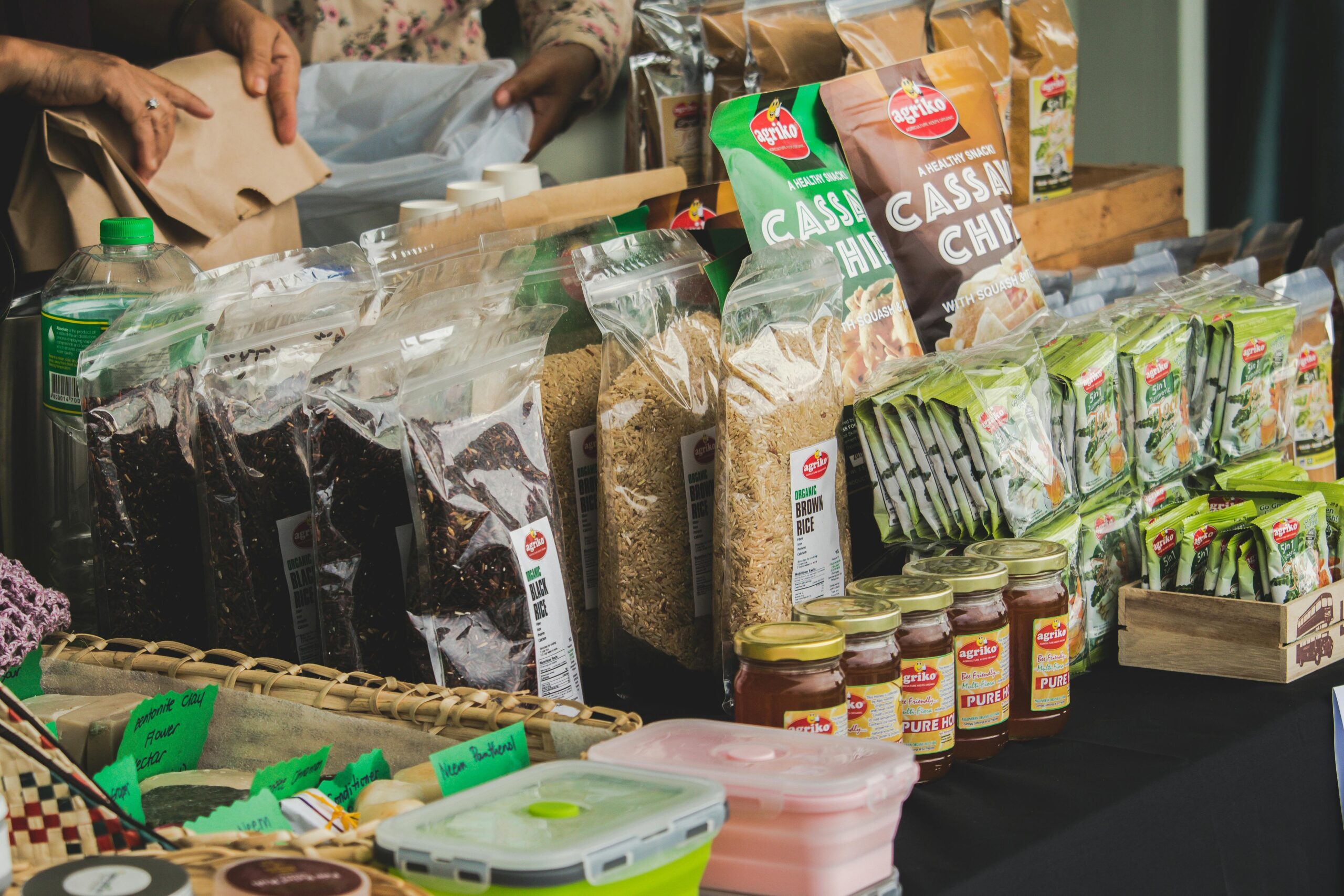
Empowering Yourself Through Knowledge
The food industry profits from consumer confusion about sugar content. Manufacturers invest heavily in packaging design, health claims, and ingredient obfuscation specifically to prevent informed decision-making. Your awareness breaks this pattern of manipulation.
Every time you choose whole foods over processed products, read a label carefully, or prepare a meal at home, you reclaim control over your health. These choices compound over weeks and months into transformative changes in energy, weight, mental clarity, and long-term disease risk.
Hidden sugars may be everywhere, but they’re not invisible once you know how to look. Armed with knowledge about sugar’s many names, its hiding places, and label-reading skills, you can navigate grocery stores with confidence. Your health deserves the effort of reading those labels, asking questions, and choosing foods that nourish rather than merely satisfy engineered cravings.
The sweet secrets lurking on food labels have been unmasked. Now the power to make informed choices rests firmly in your hands, where it belongs. Your body will thank you for every conscious decision to prioritize genuine nutrition over cleverly disguised sugar. Start today—your future self is counting on it.