
Walking down the grocery store aisle can feel like navigating a linguistic maze. Food labels are packed with terms that seem designed to confuse rather than clarify, leaving even the most health-conscious shoppers scratching their heads.

Understanding what these labels truly mean is essential for making informed decisions about what goes into your shopping cart and ultimately, your body. The food industry uses specific terminology that, while regulated, often creates more questions than answers for the average consumer.
🔍 The Label Literacy Gap: Why Food Terms Confuse Us
Food manufacturers operate within a complex regulatory framework, but they also leverage marketing language to make products appear healthier or more desirable than they actually are. This creates a significant gap between what labels say and what consumers understand.
Research shows that nearly 60% of shoppers misinterpret at least one common food label term. This confusion isn’t accidental—it’s often the result of intentionally vague language that exploits regulatory loopholes while technically remaining compliant with labeling laws.
The consequences of this confusion extend beyond simple frustration. Misunderstanding labels can lead to poor dietary choices, wasted money on products that don’t deliver on their implied promises, and difficulty managing health conditions that require specific dietary restrictions.
📋 “Natural” vs. “Organic”: The Great Divide
Perhaps no two terms cause more confusion than “natural” and “organic.” Many shoppers use these interchangeably, but they represent vastly different standards and regulatory oversight.
What “Natural” Actually Means (Or Doesn’t)
The term “natural” has surprisingly loose regulation in most countries. In the United States, the FDA has not developed a formal definition for this term, though it acknowledges that “natural” generally means nothing artificial or synthetic has been added to a product that wouldn’t normally be expected to be there.
However, this doesn’t prevent natural products from containing:
- High amounts of sugar, sodium, or unhealthy fats
- Ingredients from animals raised with antibiotics or hormones
- Genetically modified organisms (GMOs)
- Highly processed components that originated from natural sources
- Pesticide residues on agricultural ingredients
The Organic Certification Difference
Organic labeling, by contrast, requires rigorous certification and ongoing compliance with strict standards. Organic products must be produced without synthetic pesticides, artificial fertilizers, GMOs, antibiotics, or growth hormones.
Organic certification also considers environmental impact, animal welfare, and sustainable farming practices. This makes “organic” a far more meaningful term for consumers seeking products aligned with health and environmental values.
🥛 Decoding Dairy and Dairy-Alternative Labels
The dairy section presents its own labeling challenges, especially as plant-based alternatives have exploded in popularity. Terms like “lactose-free,” “dairy-free,” and various percentage labels require careful interpretation.
Understanding Milk Fat Percentages
Whole milk, 2%, 1%, and skim milk refer to milk fat content by weight. Whole milk contains approximately 3.25% milk fat, despite what the lack of percentage labeling might suggest. This inconsistent labeling system confuses consumers who might assume whole milk contains significantly more fat than it actually does.
Plant-Based Milk: Reading Between the Lines
Plant-based milk alternatives often carry labels emphasizing what they lack rather than what they contain. Terms like “unsweetened” are valuable, but shoppers should also check for fortification levels, protein content, and additives used to improve texture and shelf stability.
Many consumers don’t realize that unfortified plant-based milks contain significantly less protein and calcium than dairy milk, making label comparison essential for those replacing dairy entirely.
🍞 Grain Product Mysteries: Whole Grain, Multigrain, and More
The bread and cereal aisle is particularly notorious for confusing terminology that makes products appear healthier than they are.
Whole Grain vs. Whole Wheat
Whole grain products contain all three parts of the grain kernel: the bran, germ, and endosperm. Whole wheat is simply whole grain made specifically from wheat. A product can be whole wheat without being completely whole grain if it contains refined versions of other grains.
The critical distinction comes with products labeled simply as “wheat bread” or “multigrain.” These terms don’t guarantee whole grains at all—they may be predominantly refined grains with minimal whole grain content added for marketing purposes.
The Whole Grain Stamp System
The Whole Grains Council created a stamping system to help consumers identify genuine whole grain products. The “100% Whole Grain” stamp indicates all grain ingredients are whole grains, while the basic “Whole Grain” stamp means the product contains at least 8 grams of whole grain per serving but may also contain refined grains.
| Label Term | What It Really Means | What to Watch For |
|---|---|---|
| Whole Grain | Contains all three parts of grain kernel | Check if it’s 100% or partial |
| Multigrain | Contains multiple grain types | May be mostly refined grains |
| Enriched | Nutrients added back after processing | Indicates refined grain base |
| Made with Whole Grains | Contains some whole grains | Could be minimal amount |
🍬 Sugar by Any Other Name: Hidden Sweetener Terminology
Sugar hiding in plain sight is one of the food industry’s most effective labeling strategies. Manufacturers use dozens of different names for added sugars, making it difficult to assess total sugar content accurately.
Common sugar aliases include agave nectar, barley malt, corn syrup, dextrose, fructose, glucose, maltose, molasses, rice syrup, and sucrose—and that’s just scratching the surface. The ingredient list might contain five or six different sugar sources, none of which individually appear high on the list, but collectively constitute a primary ingredient.
Understanding “No Added Sugar” and “Sugar-Free”
Products labeled “no added sugar” may still contain substantial natural sugars from ingredients like fruit juice concentrates. This doesn’t make them low-sugar options, despite the implication.
“Sugar-free” products must contain less than 0.5 grams of sugar per serving, but often compensate with artificial sweeteners or sugar alcohols that may cause digestive issues for sensitive individuals.
🥩 Meat and Poultry Label Confusion
Meat department labels present unique challenges, with terms related to animal raising practices, processing methods, and quality grades that few consumers fully understand.
Antibiotic and Hormone Claims
Labels stating “no hormones added” on poultry are actually meaningless—federal regulations already prohibit hormone use in poultry production. This is legal but deliberately misleading marketing that implies a special quality that’s actually standard.
For beef, hormone use is permitted, making “no hormones administered” a meaningful distinction. Similarly, “no antibiotics ever” indicates animals were raised without antibiotics, though verification and enforcement of these claims varies.
Free-Range, Cage-Free, and Pasture-Raised
These terms suggest humane animal raising conditions but have vastly different meanings. “Cage-free” simply means birds weren’t kept in cages—they may still be in severely crowded indoor conditions. “Free-range” requires some outdoor access, but regulations don’t specify quality, duration, or space requirements for this access.
“Pasture-raised” suggests animals spent significant time outdoors on pasture, but this term lacks standardized definition in most regions, leaving interpretation to individual producers.
⚡ Energy and Nutritional Claims: Breaking Down the Jargon
Labels promising health benefits through nutritional content or energy claims use specific regulated terminology that sounds similar but carries different meanings.
The “Reduced,” “Low,” and “Free” Hierarchy
Products labeled “fat-free” must contain less than 0.5 grams of fat per serving, while “low-fat” means 3 grams or less per serving. “Reduced fat” indicates at least 25% less fat than the regular version of that product.
This system applies to calories, sodium, sugar, and other nutrients. The catch lies in serving sizes—manufacturers sometimes use unrealistically small servings to meet “low” or “reduced” thresholds, meaning the amount you actually consume contains much more than the label suggests.
Health Claims vs. Nutrient Content Claims
Nutrient content claims describe the level of a nutrient in a product (“high in fiber,” “excellent source of calcium”). Health claims suggest a relationship between a food and health condition (“may reduce heart disease risk”).
These claims must meet specific FDA criteria, but they’re often presented in ways that overstate benefits or apply only under specific dietary conditions the label doesn’t fully explain.
🌱 Navigating Allergen and Dietary Restriction Labels
For those with allergies, intolerances, or dietary restrictions, label accuracy isn’t just about making smart choices—it’s a matter of health and safety.
Gluten-Free Certification
Products labeled “gluten-free” must contain less than 20 parts per million of gluten—a threshold generally considered safe for most people with celiac disease. However, “wheat-free” doesn’t mean gluten-free, as gluten appears in barley, rye, and contaminated oats.
The warning “may contain traces of” or “processed in a facility that also processes” indicates potential cross-contamination. For severely allergic individuals, these warnings are crucial, though they’re sometimes used overly cautiously for liability protection.
Vegan and Vegetarian Distinctions
While vegetarian simply means no meat, fish, or poultry, vegan excludes all animal products including dairy, eggs, and honey. Labels might indicate vegetarian status but still contain dairy-based ingredients that vegans avoid.
Surprisingly, some seemingly plant-based products contain hidden animal ingredients like gelatin, whey, or casein, making careful label reading essential for those following these diets.
📱 Using Technology to Decode Labels Smarter
Fortunately, technology has emerged to help consumers navigate label confusion. Several smartphone apps now allow shoppers to scan product barcodes and receive instant analysis of ingredients, nutritional value, and label claim verification.
Apps like Yuka provide easy-to-understand ratings based on nutritional quality and ingredient concerns. Users simply scan the barcode, and the app decodes the label information into actionable insights about whether the product aligns with their health goals.
Other helpful apps include Fooducate, which grades products and suggests healthier alternatives, and MyFitnessPal, which helps track nutritional intake and compare products based on specific dietary goals.
💡 Practical Strategies for Smarter Label Reading
Beyond understanding individual terms, developing a systematic approach to reading labels will serve you better than memorizing every possible variation of food marketing language.
Start with the Ingredient List
Ingredients are listed by weight in descending order. If sugar (by any name) appears in the first three ingredients, the product is primarily a sugary food regardless of health claims on the front of the package.
A good rule of thumb: if you can’t pronounce an ingredient or don’t recognize it as food, question whether you want to consume it regularly. While not all complex chemical names are harmful, this guideline helps identify highly processed products.
Compare Per-Serving and Per-Package
Always check serving sizes and servings per container. A “low calorie” snack containing 2.5 servings per package might deliver 500 calories if you eat the whole thing—something most people do with small packages.
Compare similar products based on standardized amounts (per 100g or per ounce) rather than per serving to get accurate comparisons between brands using different serving size definitions.
Prioritize the Nutrition Facts Panel
While front-of-package claims are designed to attract attention, the Nutrition Facts panel provides standardized, regulated information. Focus on nutrients you want to limit (saturated fat, sodium, added sugars) and those you want to ensure adequate intake of (fiber, vitamins, minerals).
The percent Daily Value (%DV) helps contextualize amounts. As a general guide, 5% DV or less is low, while 20% DV or more is high for any given nutrient.
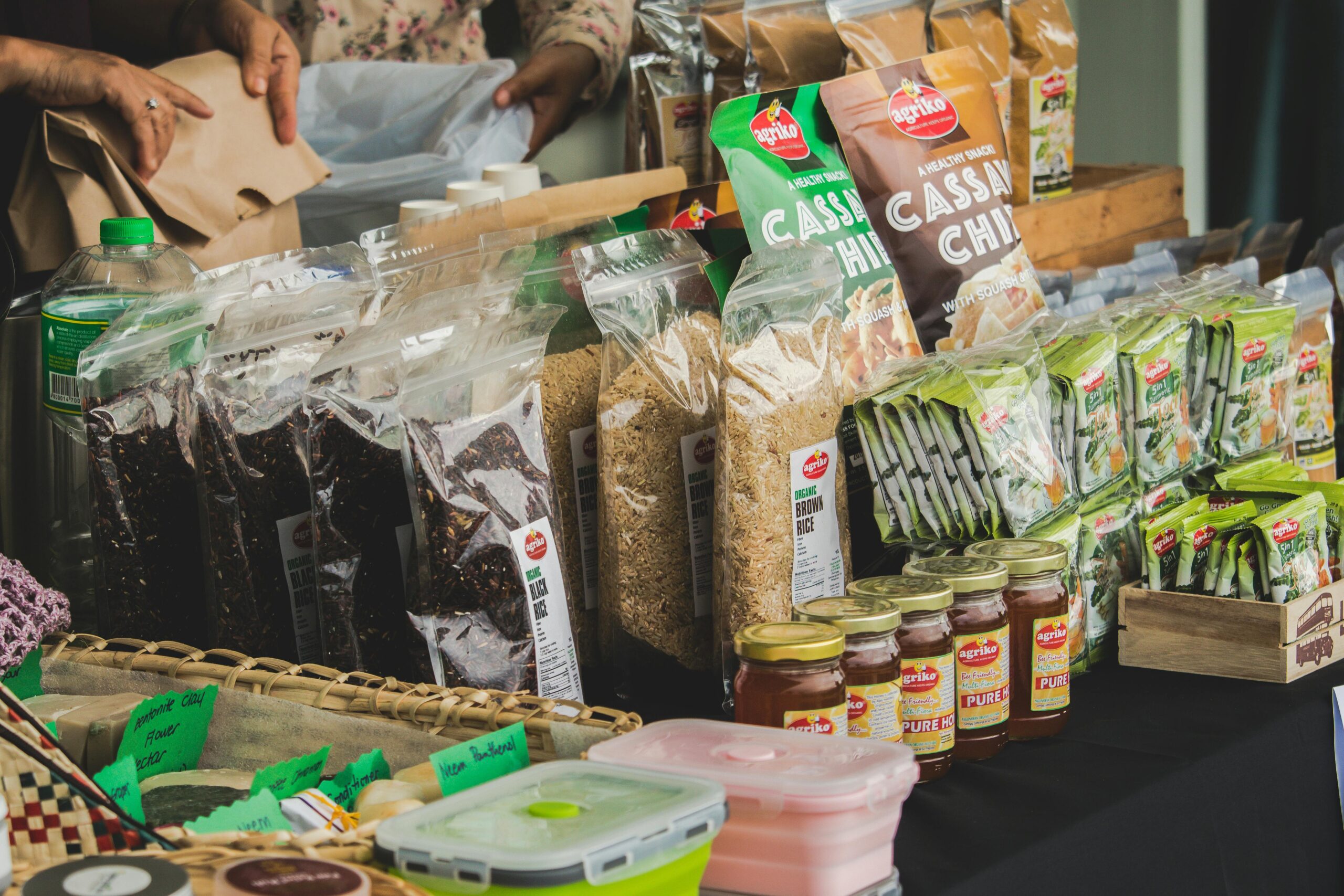
🎯 Becoming a Confident, Informed Shopper
Mastering food label literacy transforms grocery shopping from a confusing chore into an empowering experience. You’ll make choices aligned with your health goals, avoid marketing manipulation, and likely improve your diet quality without feeling restricted.
Start by focusing on a few key areas most relevant to your dietary priorities—whether that’s reducing added sugars, increasing whole grains, avoiding certain allergens, or choosing sustainably produced foods. As these habits become automatic, expand your label literacy to other areas.
Remember that the most heavily marketed products typically need the most scrutiny. Foods that require minimal or no labels—fresh produce, nuts, beans, whole grains—are often the healthiest choices. When you do purchase packaged foods, your newfound label-reading skills will guide you toward the best options.
The food industry’s labeling complexity isn’t going away, but your ability to see through the confusion will continue growing with practice. Each shopping trip becomes an opportunity to reinforce your skills and make incrementally better choices that compound into significant health benefits over time.