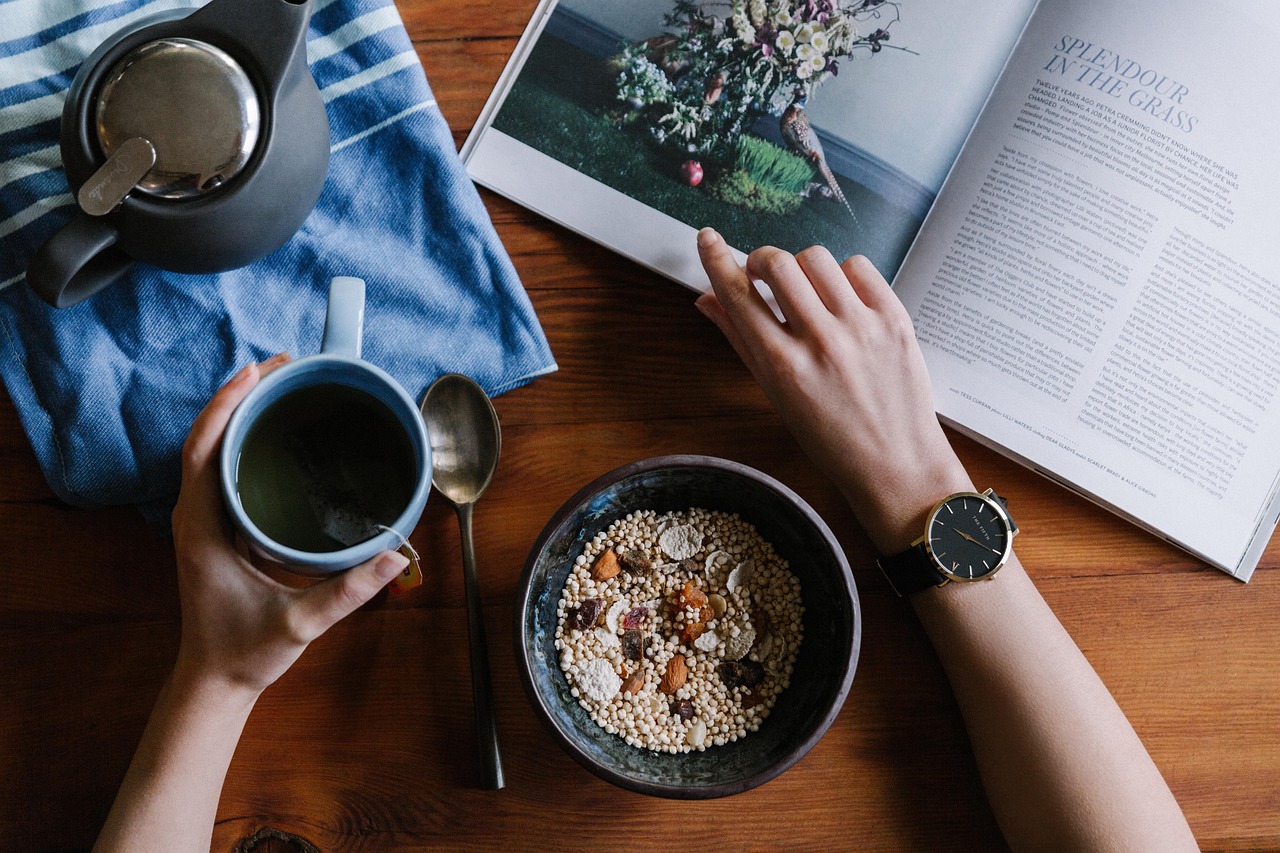
Living with a low-sodium diet doesn’t mean sacrificing flavor or enjoying bland, boring meals. With the right techniques and ingredient combinations, you can create dishes that are both heart-healthy and bursting with taste.

The journey to mastering flavor balance on a low-sodium diet is about understanding how different tastes interact and complement each other. By learning to layer flavors strategically, you’ll discover that salt is just one tool in a vast culinary toolkit—and often not the most exciting one.
🎨 Understanding the Five Basic Tastes and How They Work Together
Before diving into specific flavor combinations, it’s essential to understand the five basic tastes our palates recognize: sweet, salty, sour, bitter, and umami. When you’re reducing sodium, you need to leverage the other four tastes to create depth and complexity in your cooking.
Sweet elements don’t just mean sugar—they include naturally sweet vegetables like carrots, bell peppers, and caramelized onions. Sour notes from citrus, vinegars, and fermented foods brighten dishes and make them more memorable. Bitter components from greens, coffee, and dark chocolate add sophistication, while umami—that savory, meaty taste—provides the satisfaction we often associate with salt.
The secret to exceptional low-sodium cooking lies in balancing these tastes so that no single element dominates, creating a harmonious flavor profile that keeps your taste buds engaged from the first bite to the last.
The Power of Acid: Your Secret Weapon in Low-Sodium Cooking
Acidic ingredients are perhaps the most transformative tools in a low-sodium kitchen. They brighten flavors, enhance other taste elements, and add a satisfying punch that makes you forget about missing salt altogether.
Citrus Magic ✨
Lemon, lime, orange, and grapefruit juices and zests can revolutionize your dishes. A squeeze of fresh lemon juice over roasted vegetables, grilled fish, or grain bowls adds instant vibrancy. The essential oils in citrus zest pack even more aromatic punch without any liquid diluting your dish.
Try combining lemon zest with fresh herbs like thyme or rosemary for a Mediterranean flavor profile, or mix lime juice with chili and cilantro for a Latin-inspired kick. Orange juice pairs beautifully with ginger and garlic in Asian-style stir-fries, creating complex layers without reaching for the soy sauce bottle.
Vinegar Varieties
Different vinegars bring unique flavor profiles to your cooking. Apple cider vinegar offers a mild, slightly sweet acidity perfect for salad dressings and marinades. Balsamic vinegar provides rich, complex sweetness ideal for roasted vegetables and reduction sauces. Rice vinegar delivers a gentle acidity that works beautifully in Asian-inspired dishes.
Red wine vinegar adds robust flavor to Mediterranean dishes, while white wine vinegar keeps things light and bright. Sherry vinegar brings nutty sophistication to soups and sauces. Keep several varieties in your pantry and experiment to find your favorites.
🌿 Fresh Herbs: Nature’s Flavor Boosters
Fresh herbs are indispensable in low-sodium cooking, offering aromatic complexity and visual appeal. Unlike dried herbs, which can taste dusty or one-dimensional, fresh herbs provide bright, vibrant flavors that make dishes sing.
Basil brings sweet, peppery notes perfect for Italian dishes and pairs wonderfully with tomatoes. Cilantro adds fresh, citrusy flavor to Mexican, Asian, and Middle Eastern cuisine. Parsley provides clean, grassy notes that complement nearly everything. Mint offers cooling refreshment in both savory and sweet applications.
Rosemary, thyme, and oregano bring earthy, aromatic qualities to roasted meats and vegetables. Dill adds bright, anise-like flavor to fish, potatoes, and cucumber dishes. Tarragon brings subtle licorice notes that elevate chicken and egg dishes.
The key is adding herbs at the right time: hardy herbs like rosemary and thyme can withstand longer cooking times, while delicate herbs like basil and cilantro should be added just before serving to preserve their fresh flavor.
Building Umami Without the Sodium
Umami is that deeply satisfying, savory taste that makes food feel complete. While many umami-rich foods are high in sodium (like soy sauce and fish sauce), plenty of low-sodium options can deliver that same mouth-watering quality.
Mushrooms: The Umami Powerhouse
Mushrooms are naturally packed with glutamates, the compounds responsible for umami taste. Dried mushrooms are particularly concentrated in flavor. Soak dried porcini, shiitake, or mixed wild mushrooms in hot water, then use both the rehydrated mushrooms and the flavorful soaking liquid in soups, sauces, and grain dishes.
Fresh mushrooms develop incredible depth when properly cooked. Sauté them over high heat without crowding the pan, allowing them to brown beautifully and develop rich, caramelized flavors.
Tomatoes and Tomato Paste
Tomatoes naturally contain glutamates, and concentrating them intensifies this umami quality. No-salt-added tomato paste is an incredibly versatile ingredient. Toast it in a dry pan until it darkens and caramelizes, then add it to soups, stews, and sauces for instant depth.
Sun-dried tomatoes (look for versions without added salt) pack concentrated tomato flavor into a small package. Roasting fresh tomatoes slowly in the oven also intensifies their natural umami characteristics.
Other Umami-Rich Ingredients
Nutritional yeast offers a cheesy, nutty flavor and works wonderfully in vegan cooking or as a popcorn topping. Miso paste (look for low-sodium varieties) adds fermented depth to dressings and marinades. Unsalted nuts and seeds, especially when toasted, contribute savory richness to dishes.
🔥 Spices and Aromatics: Creating Heat and Depth
Spices are your allies in creating bold, memorable flavors without sodium. Unlike salt, which simply makes food taste saltier, spices add specific flavor notes and can completely transform a dish’s character.
Toast Your Spices
Toasting whole spices in a dry pan before grinding them releases essential oils and amplifies their flavors exponentially. This simple step takes cumin, coriander, fennel seeds, and other spices from flat to fantastic.
Even pre-ground spices benefit from a quick toast in a dry pan before adding other ingredients. Just be careful not to burn them—spices can turn from aromatic to acrid in seconds.
Layering Heat
Different types of heat add different qualities to your cooking. Fresh chili peppers bring bright, immediate heat. Dried chilies offer complex, smoky heat. Black pepper provides sharp, clean spiciness. Red pepper flakes give a delayed, building burn.
Ginger and horseradish deliver a different kind of heat that clears the sinuses and awakens the palate. Mustard adds pungent sharpness. By combining different heat sources, you create multi-dimensional spiciness that keeps taste buds engaged.
Aromatic Foundations
Building flavor starts with aromatics—onions, garlic, shallots, leeks, celery, carrots, and ginger. Cooking these ingredients in a small amount of oil until they soften and caramelize creates a flavorful foundation for countless dishes.
Take time to properly caramelize onions—the slow transformation from sharp and pungent to sweet and complex adds incredible depth. Roasted garlic becomes mellow and almost buttery. These foundational flavors make salt seem unnecessary.
Smart Sauce and Seasoning Strategies
Creating flavorful sauces and seasonings without relying on high-sodium condiments requires creativity, but the results are worth the effort.
Build Your Own Condiments
Commercial condiments are typically loaded with sodium, but making your own gives you complete control. Create a simple vinaigrette with olive oil, vinegar or citrus juice, Dijon mustard (low-sodium variety), minced shallots, and fresh herbs. This versatile dressing works on salads, roasted vegetables, and grilled proteins.
Make your own pesto using fresh basil, garlic, pine nuts, olive oil, and nutritional yeast instead of Parmesan. Blend roasted red peppers with almonds, garlic, and smoked paprika for a romesco-style sauce. Mix tahini with lemon juice, garlic, and water for a creamy Middle Eastern-inspired sauce.
Reduction Sauces
Reducing liquids concentrates their flavors naturally. Simmer no-salt-added broths, wine, or fruit juices until they thicken and intensify. A balsamic reduction made by simmering balsamic vinegar until syrupy becomes an elegant drizzle for everything from strawberries to grilled chicken.
Compound Butters and Flavored Oils
Mix softened butter with fresh herbs, citrus zest, minced garlic, or spices to create compound butters that add instant flavor when melted over vegetables, fish, or steak. Infuse olive oil with garlic, rosemary, or chili peppers for finishing oils that add aromatic complexity to finished dishes.
🍽️ Texture: The Often-Forgotten Flavor Component
While not a taste per se, texture significantly impacts how we experience flavor. Varying textures within a dish makes it more interesting and satisfying, reducing the perceived need for salt.
Add crunch with toasted nuts, seeds, or homemade croutons. Create creaminess with avocado, puréed beans, or cashew cream. Incorporate chewiness with grains like farro or barley. Include crispy elements like roasted chickpeas or vegetable chips.
The contrast between textures—creamy and crunchy, soft and crispy—keeps your palate engaged and makes each bite feel complete and satisfying.
Strategic Cooking Techniques for Maximum Flavor
How you cook food matters just as much as what ingredients you use. Certain techniques naturally develop more complex flavors.
Roasting and Caramelization
Roasting vegetables at high temperatures caramelizes their natural sugars, creating sweet, complex flavors with crispy, browned edges. This simple technique transforms ordinary vegetables into standout dishes. Roast Brussels sprouts, cauliflower, carrots, or sweet potatoes with olive oil and your favorite spices.
Grilling and Charring
The char from grilling adds smoky depth and visual appeal. Grill vegetables, fruits, proteins, and even romaine lettuce for distinctive flavor. If you don’t have access to a grill, achieve similar results using a cast-iron skillet over high heat or under the broiler.
Slow Cooking and Braising
Long, slow cooking allows flavors to meld and deepen. Braised dishes develop rich, complex sauces as ingredients break down and release their flavors. Use no-salt-added broths, wine, tomatoes, and aromatics as your braising liquid.
Putting It All Together: Sample Flavor Combinations
Understanding individual flavor elements is one thing, but combining them effectively creates culinary magic. Here are proven flavor combinations that work beautifully in low-sodium cooking:
- Mediterranean: Lemon, garlic, oregano, olive oil, and roasted red peppers
- Mexican-Inspired: Lime, cilantro, cumin, smoked paprika, and fresh chili
- Asian-Inspired: Ginger, garlic, rice vinegar, sesame oil, and fresh scallions
- Middle Eastern: Lemon, tahini, garlic, cumin, and fresh parsley
- French-Inspired: Dijon mustard, tarragon, white wine, and shallots
- Indian-Inspired: Ginger, garlic, turmeric, cumin, coriander, and garam masala
🥗 Building Balanced Plates Without Sodium
Creating a well-balanced, flavorful plate involves thinking about how different components work together. Start with a protein cooked using one flavor profile, add vegetables prepared with complementary seasonings, and finish with a grain or starch that ties everything together.
For example, pair grilled chicken marinated in lemon, garlic, and herbs with roasted vegetables tossed in olive oil and balsamic vinegar, served over quinoa mixed with toasted pine nuts and fresh parsley. Each component has distinct flavors that complement rather than compete with each other.
Training Your Palate for the Transition
If you’re transitioning from a high-sodium diet, your palate needs time to adjust. Be patient with yourself—taste buds regenerate approximately every two weeks, so within a month or two, you’ll naturally become more sensitive to subtle flavors.
During this transition, focus on gradually reducing sodium rather than eliminating it completely overnight. This approach is more sustainable and gives your palate time to adapt. You’ll soon discover that foods you once found bland now taste rich and nuanced.
Keep a flavor journal, noting which herbs, spices, and combinations you enjoy most. This personal reference guide will become invaluable as you develop your low-sodium cooking style.
Practical Tips for Everyday Success
Making low-sodium flavor balance work in daily life requires some planning and preparation. Keep your pantry stocked with essential flavor-building ingredients: multiple vinegars, citrus fruits, fresh herbs, spices, no-salt-added tomato products, mushrooms, and good-quality oils.
Prep flavor components in advance. Make large batches of no-salt seasoning blends, herb-infused oils, or homemade dressings that keep you from reaching for high-sodium shortcuts when you’re tired or busy.
When dining out, don’t hesitate to ask for dishes prepared without added salt and request lemon wedges, vinegar, or herbs on the side. Most restaurants are willing to accommodate dietary needs.
🌟 Embracing the Journey to Flavorful, Heart-Healthy Eating
Mastering flavor balance on a low-sodium diet is both an art and a science. It requires understanding how tastes interact, learning new techniques, and experimenting with unfamiliar ingredients. But the reward is discovering a whole new world of vibrant, complex flavors that make eating both pleasurable and nourishing.
The skills you develop—layering acids, building umami, using fresh herbs strategically, and employing proper cooking techniques—will serve you throughout your life. You’ll find that cooking becomes more creative and intuitive as you learn to trust your palate and experiment with bold combinations.
Remember that every cook develops their own flavor preferences and signature combinations. What works beautifully for one person might not resonate with another, and that’s perfectly fine. The goal isn’t to follow rigid rules but to understand principles that allow you to create dishes you genuinely love eating.
Start with one or two new techniques or ingredients each week. Try toasting spices before using them, or experiment with a fresh herb you’ve never cooked with before. Gradually, these small changes accumulate into a completely transformed approach to cooking and eating.
Your low-sodium diet doesn’t have to feel restrictive or boring. With the right knowledge and techniques, it becomes an opportunity to explore flavors more deeply and cook more creatively than ever before. The absence of salt as a crutch pushes you to become a better, more thoughtful cook who understands how to build truly delicious food from the ground up.
As you continue this journey, you’ll likely find that you don’t miss salt at all—and you might even prefer the cleaner, more nuanced flavors of your new cooking style. Your taste buds, your heart, and your overall health will thank you for making this positive change.