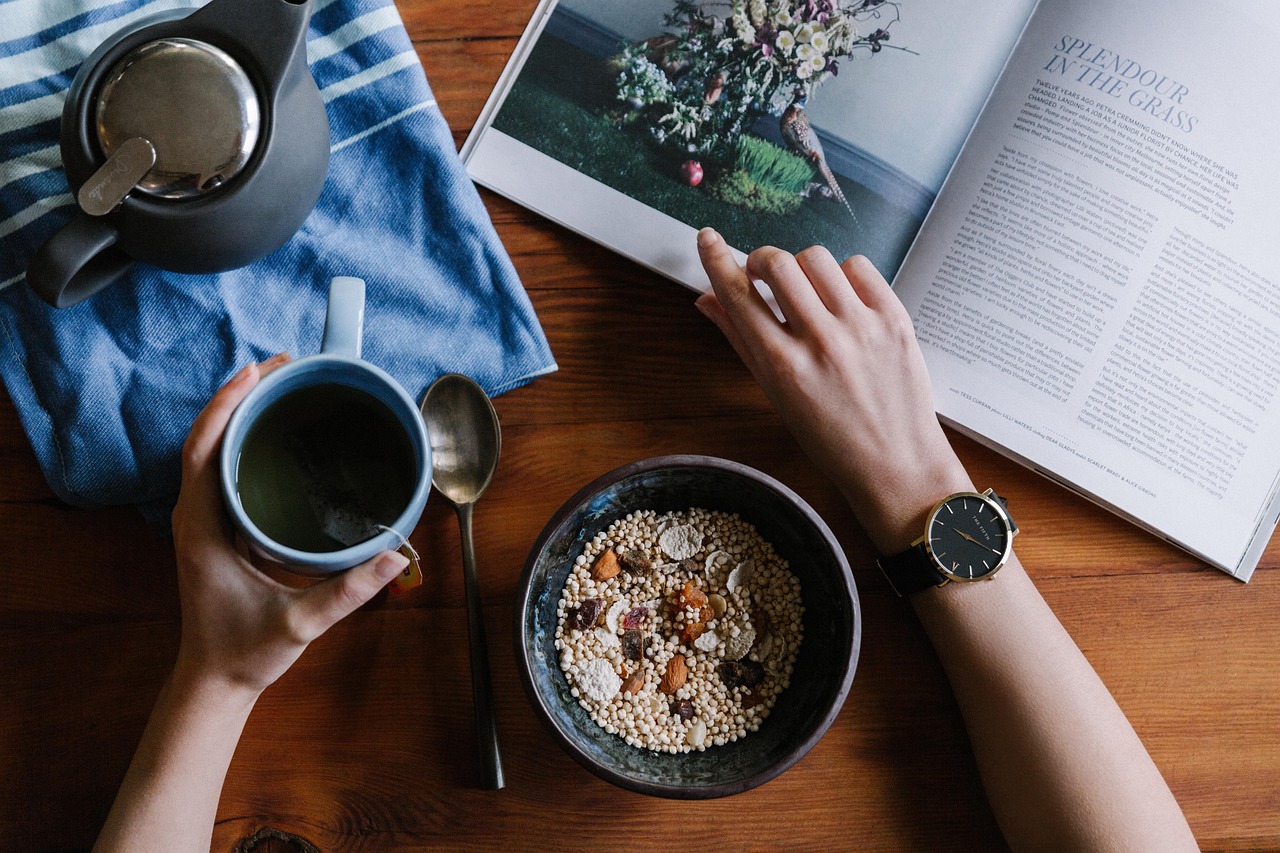
Salt is a cornerstone of flavor in nearly every cuisine worldwide, yet excessive consumption poses significant health risks. Modern diets often contain far more sodium than our bodies need, making smart reduction strategies essential for long-term wellness.

Learning to reduce salt without sacrificing taste is one of the most valuable culinary skills you can develop. This journey toward flavorful, lower-sodium eating doesn’t mean bland food or deprivation—it means discovering new dimensions of taste and becoming more intentional about seasoning choices. With the right techniques and mindset shifts, you’ll create meals that are both delicious and nourishing.
🧂 Understanding Salt’s Role in Our Diet and Health
Sodium plays crucial physiological roles in our bodies, helping regulate fluid balance, nerve transmission, and muscle function. However, most people consume far beyond the recommended daily limit of 2,300 milligrams (about one teaspoon), with many exceeding 3,400 milligrams daily.
This overconsumption contributes to hypertension, cardiovascular disease, stroke risk, and kidney problems. The challenge is that approximately 70-75% of dietary sodium comes from processed and restaurant foods rather than the salt shaker on your table. Understanding where sodium hides in your diet is the first step toward meaningful reduction.
Your taste buds adapt to salt levels over time, which means that high-sodium diets actually dull your ability to taste food’s natural flavors. The good news? This adaptation works both ways. Reducing salt gradually allows your palate to recalibrate, making you more sensitive to subtle flavors and actually enhancing your eating experience.
🌿 Building a Flavor Foundation Without Relying on Salt
The secret to successful salt reduction lies in building complexity through alternative flavor enhancers. Fresh and dried herbs offer aromatic compounds that create depth without sodium. Basil, cilantro, parsley, rosemary, thyme, and oregano each bring distinct character to dishes.
Spices provide another dimension entirely—cumin’s earthiness, smoked paprika’s depth, turmeric’s warmth, and coriander’s citrus notes all contribute richness. Creating custom spice blends allows you to develop signature flavors for different cuisines without reaching for the salt container.
Acids are perhaps the most underutilized salt alternative in home cooking. Lemon juice, lime juice, various vinegars, and even tomatoes provide brightness that makes dishes pop. Acid stimulates taste receptors similarly to salt, creating satisfaction and balance. A squeeze of fresh citrus often provides the “something’s missing” element that cooks might otherwise address with more sodium.
Umami: The Fifth Taste That Replaces Salt’s Satisfaction
Umami, the savory fifth taste, creates the satisfying depth often associated with well-salted food. Mushrooms, especially dried varieties like shiitake and porcini, contain natural glutamates that deliver this quality. Tomatoes, particularly when roasted or as paste, concentrate umami compounds beautifully.
Nutritional yeast offers a cheesy, savory flavor with negligible sodium, making it perfect for plant-based cooking. Miso paste, while containing some sodium, delivers such intense flavor that small amounts go far, often using less total sodium than conventional salting would require.
Parmesan and aged cheeses contain natural glutamates, and while they do contain sodium, their concentrated flavor means you can use minimal amounts for maximum impact—far less sodium than seasoning the same dish with salt alone.
🍳 Cooking Techniques That Maximize Natural Flavors
How you cook dramatically affects flavor intensity, reducing your dependence on salt. Roasting vegetables caramelizes their natural sugars, creating complexity and sweetness that balances dishes without additional seasoning. A simple roasted cauliflower with olive oil, black pepper, and garlic can be remarkably satisfying without any added salt.
Sautéing aromatics—onions, garlic, shallots, ginger—creates a flavor foundation that gives dishes a head start. These ingredients develop sweet, complex notes when properly cooked, establishing depth that carries through the entire meal.
Toasting spices before use activates their essential oils, intensifying their contribution to dishes. This simple thirty-second step in a dry pan transforms ground cumin, coriander, or fennel seeds from background notes to starring flavors.
The Power of Proper Browning
The Maillard reaction—the chemical process that occurs when proteins and sugars are heated—creates hundreds of flavor compounds. Properly browning meats, achieving a golden crust on fish, or caramelizing vegetables produces savory depth that makes salt less necessary.
Avoid overcrowding pans, which causes steaming rather than browning. Use adequate heat and patience to develop these flavors properly. This technique alone can transform bland, salt-dependent cooking into flavorful meals that stand on their own merits.
📱 Smart Shopping Strategies to Control Sodium Intake
Reading nutrition labels becomes second nature when you’re committed to salt reduction. Compare sodium content across brands—variations can be dramatic. Many products now offer “low sodium” or “no salt added” versions that work perfectly as bases you can season to taste.
Fresh ingredients naturally contain minimal sodium compared to their processed counterparts. A fresh chicken breast contains about 70mg of sodium per serving, while some pre-marinated versions contain over 400mg. Plain frozen vegetables have negligible sodium, while canned versions often exceed 300mg per serving unless specifically labeled “no salt added.”
Condiments deserve special attention as they’re sodium landmines. Regular soy sauce contains about 900mg per tablespoon, while low-sodium versions offer around 500mg. Even better, coconut aminos provide similar flavor with only 270mg. Ketchup, barbecue sauce, salad dressings, and pickled items all warrant label scrutiny.
Building a Low-Sodium Pantry
Stock your kitchen with flavor-builders rather than salt-dependent shortcuts. Quality extra-virgin olive oil, various vinegars, citrus fruits, fresh garlic and ginger, and a diverse spice collection form the foundation.
Consider making your own versions of typically high-sodium products. Homemade broth, salad dressings, and seasoning blends allow complete control over sodium content while often tasting fresher and more vibrant than commercial versions.
- No-salt-added canned tomatoes and beans
- Low-sodium broths or homemade stock
- Dried mushrooms for umami depth
- Nutritional yeast for savory notes
- Multiple vinegar varieties (balsamic, red wine, apple cider, rice)
- Fresh citrus fruits
- Diverse dried herbs and whole spices
- Salt-free seasoning blends
🥗 Meal Planning for Consistent Low-Sodium Success
Planning ahead prevents the convenience trap that leads to high-sodium takeout or processed meals. Batch cooking components like plain grains, roasted vegetables, and unseasoned proteins gives you building blocks for quick, controlled meals throughout the week.
Designate time for prep work—washing herbs, chopping aromatics, mixing spice blends, and preparing dressings. Having these elements ready makes healthy cooking as convenient as reaching for salty shortcuts.
Theme nights can simplify planning while ensuring variety. Mediterranean Monday might feature olive oil, lemon, garlic, and herbs. Taco Tuesday can embrace chili powder, cumin, lime, and fresh salsa. Asian-inspired Wednesday might incorporate ginger, garlic, rice vinegar, and sesame oil.
Practical Low-Sodium Meal Ideas
Breakfast options include oatmeal topped with fresh fruit, nuts, and cinnamon rather than instant packets loaded with sodium. Eggs prepared with vegetables, herbs, and a splash of hot sauce offer satisfaction without salt dependence. Smoothies with Greek yogurt, fruits, and greens start the day with whole foods.
Lunch bowls combine grains, proteins, vegetables, and flavorful dressings you control. A quinoa base with roasted chickpeas, cucumber, tomatoes, and lemon-tahini dressing delivers complete nutrition with minimal sodium. Soups made from scratch with vegetable or low-sodium broth provide comfort without the 800+ mg found in many canned versions.
Dinner centerpieces might include herbs-crusted fish with roasted vegetables, stir-fried vegetables with tofu in a ginger-garlic sauce, or grilled chicken with chimichurri. Each emphasizes technique and fresh ingredients over salt.
🍽️ Restaurant Dining and Social Situations
Eating out presents challenges since restaurant food typically contains far more sodium than home cooking. Request preparations without added salt, asking for sauces and dressings on the side so you control quantities. Grilled, roasted, or steamed preparations generally contain less sodium than fried or heavily sauced options.
Don’t hesitate to ask questions about preparation methods. Most restaurants now accommodate dietary requests, and servers can often check with kitchen staff about lower-sodium modifications. Simple requests like “light on the sauce” or “no added salt” are usually easily honored.
At social gatherings, offer to bring a dish, ensuring at least one low-sodium option. If you’re hosting, you control the menu entirely—an opportunity to showcase how delicious reduced-sodium cooking can be, potentially inspiring others.
🔬 Understanding Hidden Sodium Sources
Bread and baked goods contain surprising amounts of sodium, with some slices containing 150-200mg. Over several servings daily, this adds up significantly. Look for lower-sodium varieties or reduce portions.
Cheese varies widely in sodium content. Fresh mozzarella and Swiss typically contain less than aged, processed varieties. Using small amounts of flavorful, aged cheese as a finishing garnish rather than a main ingredient provides impact with less total sodium.
Cured and processed meats—bacon, sausage, deli meats, hot dogs—are among the highest sodium foods. If you include these, consider them occasional treats rather than dietary staples, and balance them with very low-sodium foods in the same meal.
| Food Category | High-Sodium Option | Lower-Sodium Alternative |
|---|---|---|
| Breakfast | Instant oatmeal packet (250mg) | Plain oats with fruit (0mg) |
| Protein | Deli turkey (600mg per 2oz) | Roasted turkey breast (50mg per 2oz) |
| Vegetables | Canned green beans (400mg per serving) | Fresh or frozen green beans (0mg) |
| Snacks | Pretzels (450mg per serving) | Unsalted nuts (0mg) |
| Condiments | Regular soy sauce (900mg per tbsp) | Coconut aminos (270mg per tbsp) |
💪 Gradual Reduction: The Sustainable Approach
Dramatic, overnight changes rarely succeed long-term. Instead, reduce sodium gradually over several weeks, allowing your palate to adjust. Start by eliminating one high-sodium food category while maintaining others. Once adjusted, tackle the next category.
Begin with the salt shaker itself—simply removing it from the table eliminates mindless additional salting. Next, reduce the amount used in cooking by 25%, then 50%, as your taste buds adapt. You’ll likely find that within a few weeks, previously “normal” salting tastes unpleasantly harsh.
Track your progress to stay motivated. Many people find that keeping a simple food journal helps identify sodium sources they hadn’t recognized. Several smartphone apps can help monitor sodium intake, making it easier to stay within healthy ranges while learning which foods contribute most to your totals.
Celebrating Small Victories
Acknowledge improvements rather than fixating on perfection. Perhaps you’ve started making your own salad dressings, or you’ve discovered that roasted vegetables need less seasoning than you thought. Maybe you’ve found a low-sodium bread you actually enjoy, or you’ve mastered a homemade spice blend that’s become your signature.
These incremental changes compound over time, resulting in dramatically reduced sodium intake and genuinely enhanced appreciation for food’s natural flavors. Your health markers may improve—blood pressure decreasing, reduced bloating, better kidney function—providing tangible evidence of your efforts.
🌍 Cultural Cuisines and Low-Sodium Adaptations
Every culinary tradition offers pathways to flavorful, lower-sodium cooking. Mediterranean cuisine emphasizes olive oil, fresh herbs, garlic, lemon, and vegetables—naturally moderate in sodium when you control cheese and cured meat quantities. The bright, fresh flavors require minimal salt.
Mexican cooking’s foundation of chiles, lime, cilantro, cumin, and fresh vegetables creates vibrant dishes. Making your own salsas and avoiding pre-made seasoning packets and canned beans with added salt keeps sodium reasonable while maintaining authentic flavors.
Asian cuisines present challenges with soy sauce dependence, but adaptations work beautifully. Using reduced-sodium soy sauce or coconut aminos, emphasizing fresh ginger and garlic, incorporating citrus, and loading up on vegetables maintains the cuisine’s character with significantly less sodium.
Indian cooking’s complex spice profiles deliver tremendous flavor without salt dependence. Toasting whole spices, using fresh aromatics, incorporating yogurt for tang, and finishing with fresh herbs and lime creates satisfying dishes where salt plays a supporting rather than starring role.
✨ Long-Term Success and Lifestyle Integration
Sustainable salt reduction isn’t about rigid rules but about developing new habits and preferences. As your palate adapts, you’ll genuinely prefer less salty food, finding commercial products and restaurant meals unpleasantly over-seasoned. This natural preference shift makes maintenance effortless rather than restrictive.
Continue expanding your flavor vocabulary—trying new herbs, spices, citrus varieties, and vinegars keeps cooking interesting and prevents boredom. Experiment with fermented foods like kimchi or sauerkraut (look for lower-sodium versions) that provide complex, tangy flavors.
Share your knowledge with family and friends, creating a supportive environment. Cooking lower-sodium meals for others demonstrates that healthy eating isn’t synonymous with bland food, potentially inspiring broader changes in your social circle.
Remember that occasional higher-sodium meals won’t derail your overall health when daily intake averages within healthy ranges. Flexibility and balance—enjoying a salty restaurant meal occasionally while maintaining lower-sodium home cooking—creates a sustainable, enjoyable approach rather than a restrictive diet.
🎯 Your Roadmap to Flavorful, Health-Conscious Eating
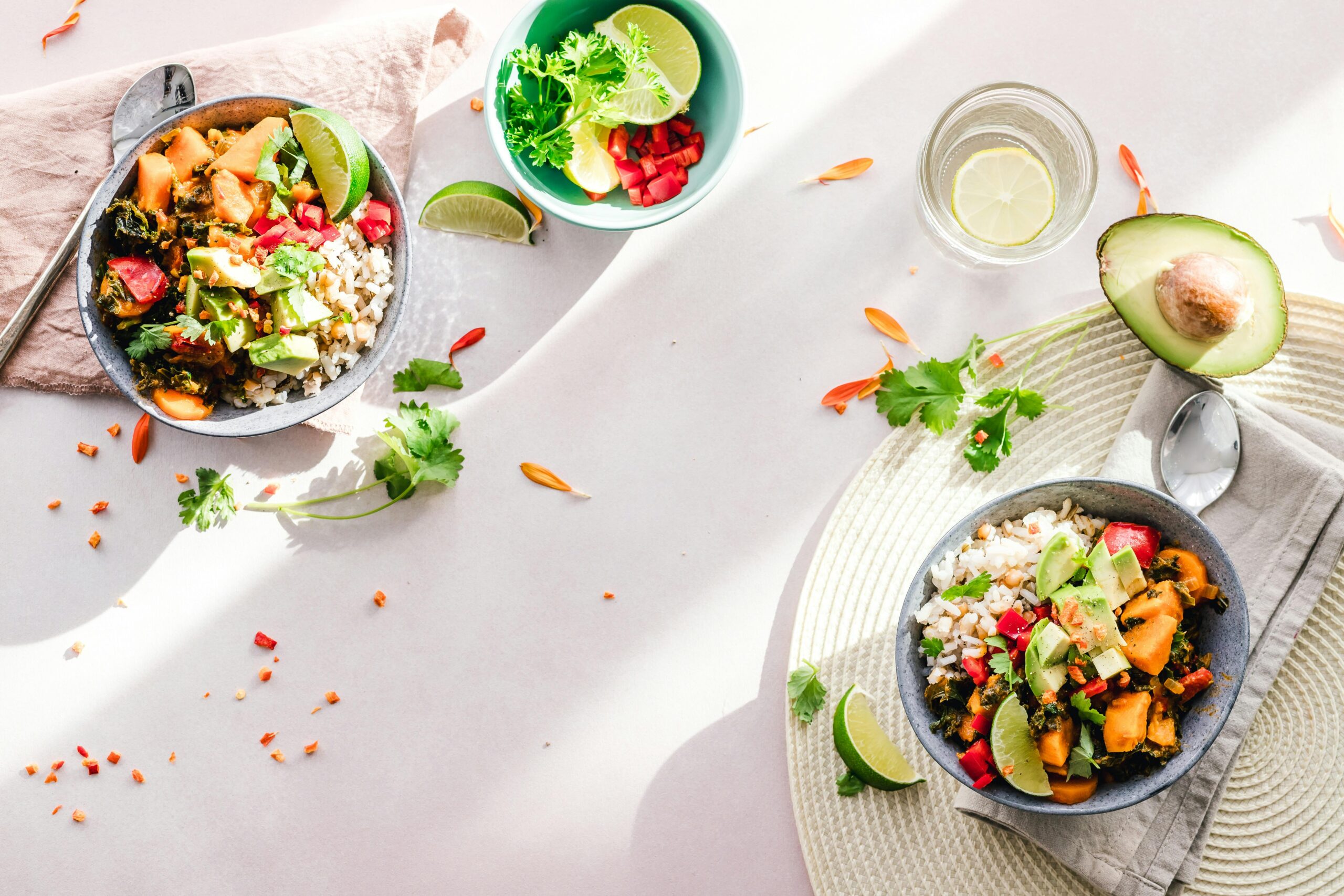
Reducing salt while maintaining delicious, satisfying meals is entirely achievable with the strategies outlined here. Start with small changes, build your flavor toolkit, and trust that your palate will adapt and ultimately prefer this way of eating. Focus on what you’re adding—fresh herbs, aromatic spices, bright acids, umami-rich ingredients—rather than what you’re removing.
The journey toward lower-sodium eating offers unexpected rewards beyond health metrics. You’ll discover subtle flavors previously masked by salt, develop greater cooking confidence, and experience food with newfound appreciation. Each meal becomes an opportunity to nourish your body while delighting your senses, proving that health and pleasure aren’t opposing forces but complementary aspects of truly flavorful living.