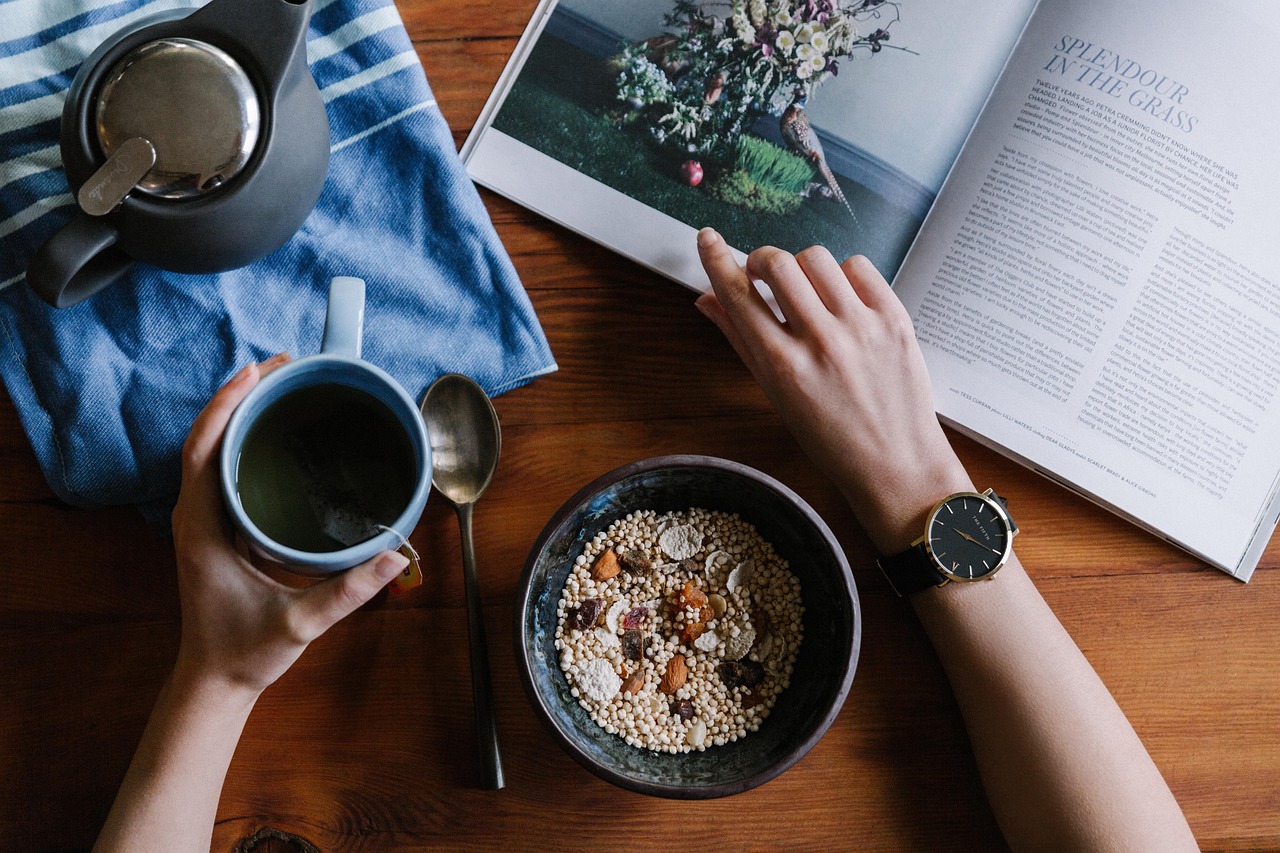
Reducing sodium doesn’t mean sacrificing flavor. With the right techniques and knowledge, you can create meals that are both heart-healthy and incredibly satisfying to your taste buds.

High sodium intake has been linked to numerous health concerns, including hypertension, heart disease, and stroke. The average American consumes about 3,400 mg of sodium daily—far exceeding the recommended 2,300 mg limit. Learning to cook with less salt while maintaining delicious flavors is not just a dietary choice; it’s an investment in long-term health and culinary creativity.
🌿 Understanding Why Low-Sodium Cooking Matters
Before diving into cooking techniques, it’s essential to understand why reducing sodium is beneficial. Excessive salt consumption causes your body to retain water, increasing blood pressure and straining your cardiovascular system. By adopting low-sodium cooking practices, you’re taking proactive steps toward better health without compromising on taste.
The good news is that taste preferences adapt over time. Research shows that within just a few weeks of reducing salt intake, your palate becomes more sensitive to subtle flavors, making foods taste richer and more complex. This adaptation period is crucial—stick with it, and you’ll discover a whole new world of flavors you might have missed before.
🧂 Identifying Hidden Sodium Sources in Your Kitchen
Most dietary sodium doesn’t come from your salt shaker—it’s hiding in processed and packaged foods. Canned soups, deli meats, cheese, bread, condiments, and even seemingly innocent items like cottage cheese can be sodium bombs. Reading nutrition labels becomes essential when embarking on a low-sodium journey.
Understanding food labels helps you make informed choices. Look for products labeled “low sodium” (140 mg or less per serving), “very low sodium” (35 mg or less), or “sodium-free” (less than 5 mg). Be wary of terms like “reduced sodium,” which simply means the product contains 25% less sodium than the original—it might still be high in salt.
Common High-Sodium Culprits to Avoid
- Processed and cured meats (bacon, sausage, deli meats)
- Canned soups and broths
- Pre-packaged seasoning mixes and marinades
- Frozen dinners and convenience meals
- Pickled foods and olives
- Salty snacks like chips and pretzels
- Commercial salad dressings and sauces
- Instant noodles and boxed meal helpers
✨ Building a Flavorful Foundation Without Salt
The secret to successful low-sodium cooking lies in building layers of flavor through various techniques and ingredients. Instead of relying on salt to enhance taste, you’ll use herbs, spices, acids, aromatics, and cooking methods that concentrate natural flavors.
Fresh herbs are your best friends in low-sodium cooking. Basil, cilantro, parsley, rosemary, thyme, oregano, and mint add vibrant flavors without any sodium. Keep a small herb garden on your windowsill for easy access to fresh flavors year-round. Dried herbs work too, but remember they’re more concentrated—use about one-third the amount called for with fresh herbs.
Spices That Pack a Punch
Spices offer incredible depth and complexity to dishes without adding sodium. Cumin, paprika, turmeric, coriander, cinnamon, cardamom, and cayenne pepper can transform simple ingredients into extraordinary meals. Toast whole spices in a dry pan before grinding them to release essential oils and intensify their flavors.
Creating your own salt-free spice blends gives you complete control over flavor profiles. Mix garlic powder, onion powder, black pepper, paprika, and dried herbs for an all-purpose seasoning. For Italian dishes, combine basil, oregano, thyme, rosemary, and garlic powder. Experiment with different combinations to discover your signature blends.
🍋 The Power of Acid in Low-Sodium Cooking
Acid is one of the most underutilized tools in low-sodium cooking. Lemon juice, lime juice, vinegars, and even wine brighten flavors and provide the taste contrast that salt typically offers. A squeeze of fresh lemon juice can elevate vegetables, fish, poultry, and grains without adding any sodium.
Different vinegars serve different purposes. Balsamic vinegar adds sweetness and complexity to roasted vegetables and salads. Apple cider vinegar works beautifully in dressings and marinades. Rice vinegar is perfect for Asian-inspired dishes, while red wine vinegar complements Mediterranean flavors. Keep several varieties on hand to add versatility to your cooking.
🔥 Cooking Techniques That Enhance Natural Flavors
How you cook food matters as much as what you add to it. Certain cooking methods concentrate flavors and create delicious complexity without requiring salt.
Roasting and Caramelization
Roasting vegetables at high temperatures (400-425°F) caramelizes their natural sugars, creating deep, sweet, and savory flavors. The Maillard reaction—the chemical process that browns food—produces hundreds of flavor compounds that add complexity to your dishes. Roasted Brussels sprouts, carrots, cauliflower, and sweet potatoes become irresistibly delicious with just a drizzle of olive oil and some herbs.
Sautéing Aromatics
Starting your dishes with sautéed aromatics like onions, garlic, shallots, ginger, and celery builds a flavorful base. Cook them slowly until they’re soft and golden to develop sweetness and depth. This foundation supports whatever you’re cooking, whether it’s soup, stir-fry, or sauce.
Grilling and Charring
Grilling adds smoky, charred notes that provide satisfying depth to proteins and vegetables. The slight bitterness from char balances other flavors and creates taste complexity. Even if you don’t have an outdoor grill, a grill pan or broiler can achieve similar results.
🥘 Creating Flavorful Broths and Stocks
Store-bought broths are notoriously high in sodium, but making your own is surprisingly easy and infinitely more flavorful. Homemade stock becomes the foundation for soups, stews, grains, and sauces, providing rich taste without the sodium load.
Save vegetable scraps—onion skins, carrot peels, celery leaves, mushroom stems, and herb stems—in a freezer bag. When it’s full, simmer the scraps with water, peppercorns, and bay leaves for 45-60 minutes to create a flavorful vegetable broth with virtually no sodium. For chicken or beef stock, roast bones first to develop deeper flavor, then simmer with aromatics for several hours.
🌶️ Strategic Use of Umami-Rich Ingredients
Umami, the savory fifth taste, provides the satisfying depth often associated with salt. Incorporating umami-rich ingredients helps create full-bodied flavors in low-sodium dishes.
Natural Umami Powerhouses
- Mushrooms (especially dried shiitake, porcini, and cremini)
- Tomatoes and tomato paste (low-sodium versions)
- Nutritional yeast
- Seaweed and kombu
- Miso paste (use sparingly, as it contains some sodium)
- Parmesan cheese (small amounts for big flavor)
- Anchovies (surprisingly lower in sodium than many processed foods)
- Aged balsamic vinegar
Rehydrating dried mushrooms creates an intensely flavored liquid that adds remarkable depth to sauces, soups, and grain dishes. Don’t discard that soaking liquid—it’s liquid gold for low-sodium cooking.
🥗 Making Delicious Low-Sodium Salads and Dressings
Commercial salad dressings often contain shocking amounts of sodium. Making your own takes minutes and allows complete control over ingredients. The basic formula is three parts oil to one part acid, plus seasonings.
For a simple vinaigrette, whisk together olive oil, lemon juice or vinegar, minced garlic, Dijon mustard (low-sodium), black pepper, and fresh herbs. Add a touch of honey or maple syrup for balance. Experiment with different oils—walnut, avocado, or toasted sesame—and various acids to create endless variations.
For creamy dressings without the sodium, use Greek yogurt or blended silken tofu as a base. Add fresh herbs, garlic, lemon juice, and a touch of nutritional yeast for a tangy, satisfying dressing that works on salads, as a vegetable dip, or drizzled over grain bowls.
🍖 Preparing Proteins with Maximum Flavor
Proteins require special attention in low-sodium cooking since they can taste bland without proper seasoning. Marinating, brining with salt-free alternatives, and using flavorful cooking methods make all the difference.
Marinades That Work
Effective marinades combine acid, oil, and flavorings. For chicken, try yogurt mixed with garlic, ginger, turmeric, and cumin. For fish, use citrus juice with herbs and a touch of olive oil. For beef, combine balsamic vinegar, crushed garlic, rosemary, and black pepper. Allow proteins to marinate for at least 30 minutes, or up to overnight for maximum flavor penetration.
Seasoning Techniques
Apply dry rubs generously before cooking. Create rubs using paprika, garlic powder, onion powder, black pepper, dried herbs, and a touch of brown sugar or cocoa powder for depth. The sugar caramelizes during cooking, creating a flavorful crust that doesn’t require salt.
🍝 Transforming Pasta and Grain Dishes
Pasta and grains provide a blank canvas for building flavor. Instead of cooking pasta in heavily salted water, prepare it in unsalted water and compensate with richly flavored sauces. Use that saved pasta water—it contains starches that help sauces cling beautifully to noodles.
Toast grains like rice, quinoa, or farro in a dry pan before cooking to develop nutty flavors. Cook them in homemade low-sodium broth with aromatics rather than plain water. Add fresh herbs, citrus zest, toasted nuts, or sautéed vegetables to create complete, flavorful dishes.
🥕 Vegetable Preparation That Maximizes Taste
Vegetables shine when prepared properly without relying on salt. Beyond roasting, try these techniques to bring out their best flavors.
Blanching vegetables briefly in boiling water, then shocking them in ice water, preserves vibrant colors and fresh flavors. Follow by sautéing in garlic-infused oil for a simple, delicious side dish. Grilling vegetables concentrates their sweetness and adds smoky notes. Marinating vegetables before grilling—try balsamic vinegar with herbs—adds another flavor layer.
Raw vegetables benefit from massaging with acid and oil. Kale salads become tender and flavorful when massaged with lemon juice, which breaks down tough fibers. Thinly sliced raw vegetables marinated in vinegar create quick pickles that add brightness to any meal.
🍲 Building Satisfying Low-Sodium Soups and Stews
Soups and stews traditionally rely on salty broths for flavor, but you can create deeply satisfying versions without them. Start with aromatic vegetables sautéed until golden. Use homemade stock and build layers of flavor with herbs, spices, and umami-rich ingredients.
Puréeing a portion of your soup creates creamy texture without cream or salt. Blend some of the cooked vegetables and stir them back into the pot for body and richness. Finish soups with a squeeze of fresh lemon juice or a drizzle of high-quality olive oil to brighten flavors just before serving.
📱 Tools and Resources for Low-Sodium Success
Technology can support your low-sodium cooking journey. Recipe apps with nutrition tracking help you monitor sodium intake while discovering new dishes. Some apps specifically focus on heart-healthy, low-sodium recipes with built-in shopping lists and meal planning features.
Investing in a few quality kitchen tools makes low-sodium cooking easier and more enjoyable. A microplane grater for citrus zest, fresh garlic, and ginger. A spice grinder or mortar and pestle for freshly ground spices. Good quality knives for efficient vegetable prep. A cast-iron skillet for developing flavorful crusts without added fats or salt.
🎯 Practical Tips for Transitioning to Low-Sodium Cooking
Changing your cooking habits takes time and patience. Reduce sodium gradually rather than eliminating it overnight—this gives your palate time to adjust. Start by cutting your usual salt amount in half, then reduce further after a few weeks.
Taste food before adding any salt. Often, food is flavorful enough without it, especially when you’ve built layers of taste through herbs, spices, and proper cooking techniques. If a dish truly needs something, try adding acid first—a squeeze of lemon often provides the brightness you’re seeking.
Cook more meals at home where you control ingredients. Restaurant and takeout meals typically contain excessive sodium. When dining out, ask for sauces and dressings on the side, request that your meal be prepared without added salt, and choose grilled or roasted options over fried or breaded items.
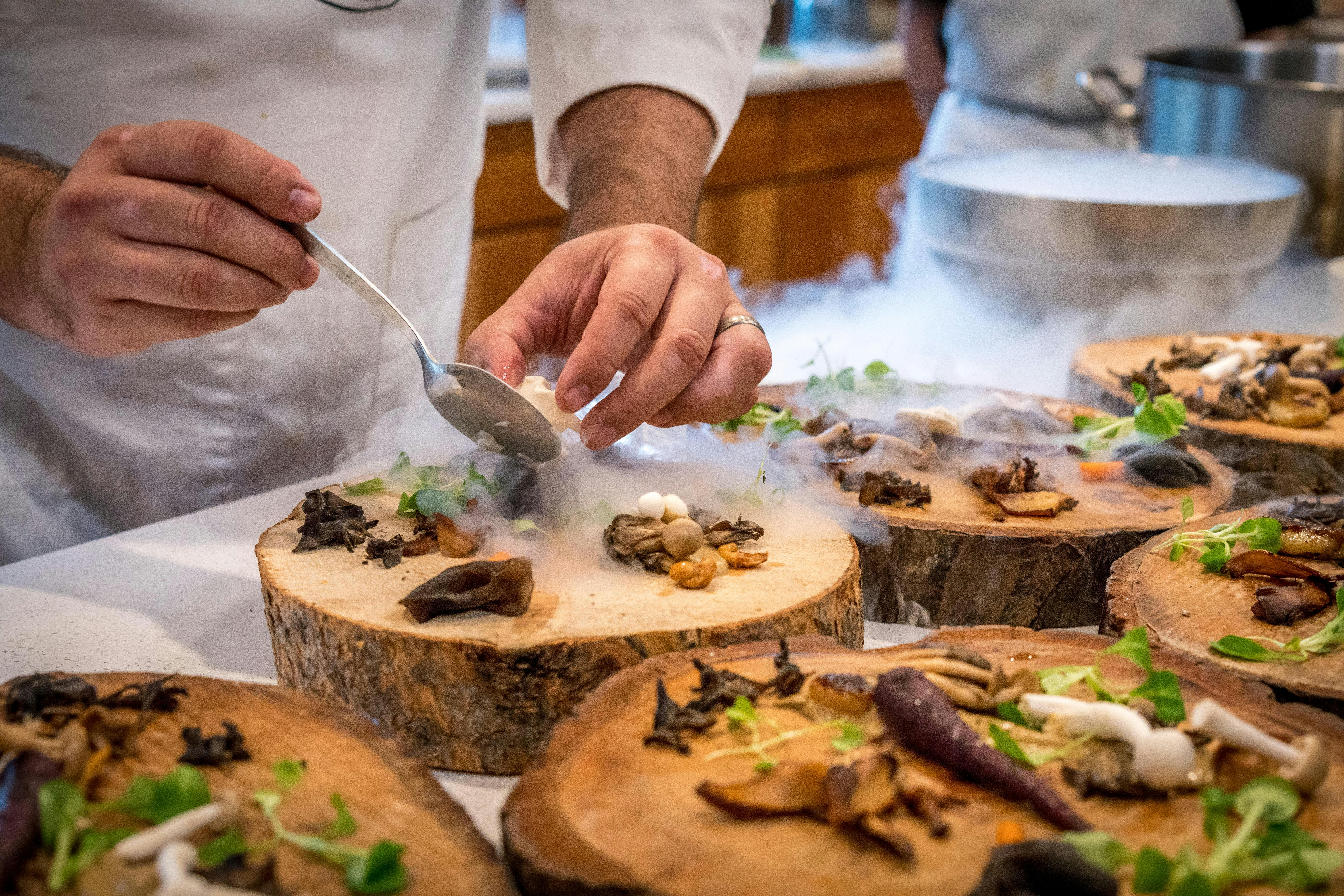
🌟 Embracing Your Flavorful Low-Sodium Lifestyle
Mastering low-sodium cooking is a journey of discovery, not deprivation. As your palate adapts, you’ll notice subtle flavors you never experienced before. Fresh basil becomes more aromatic, tomatoes taste sweeter, and the natural flavor of quality ingredients shines through.
Remember that occasional higher-sodium meals won’t derail your progress. Focus on making most of your meals at home using these techniques, and you’ll significantly reduce your overall sodium intake while enjoying food more than ever. The investment in learning these skills pays dividends in better health, more energy, and genuinely delicious meals that satisfy both your taste buds and your body.
Start with one or two techniques from this guide and gradually incorporate more as they become second nature. Build your collection of salt-free spice blends, experiment with different herbs and acids, and discover which flavor combinations excite your palate. Low-sodium cooking isn’t about limitation—it’s about exploring the full spectrum of flavors available to you and becoming a more skilled, intuitive cook in the process.