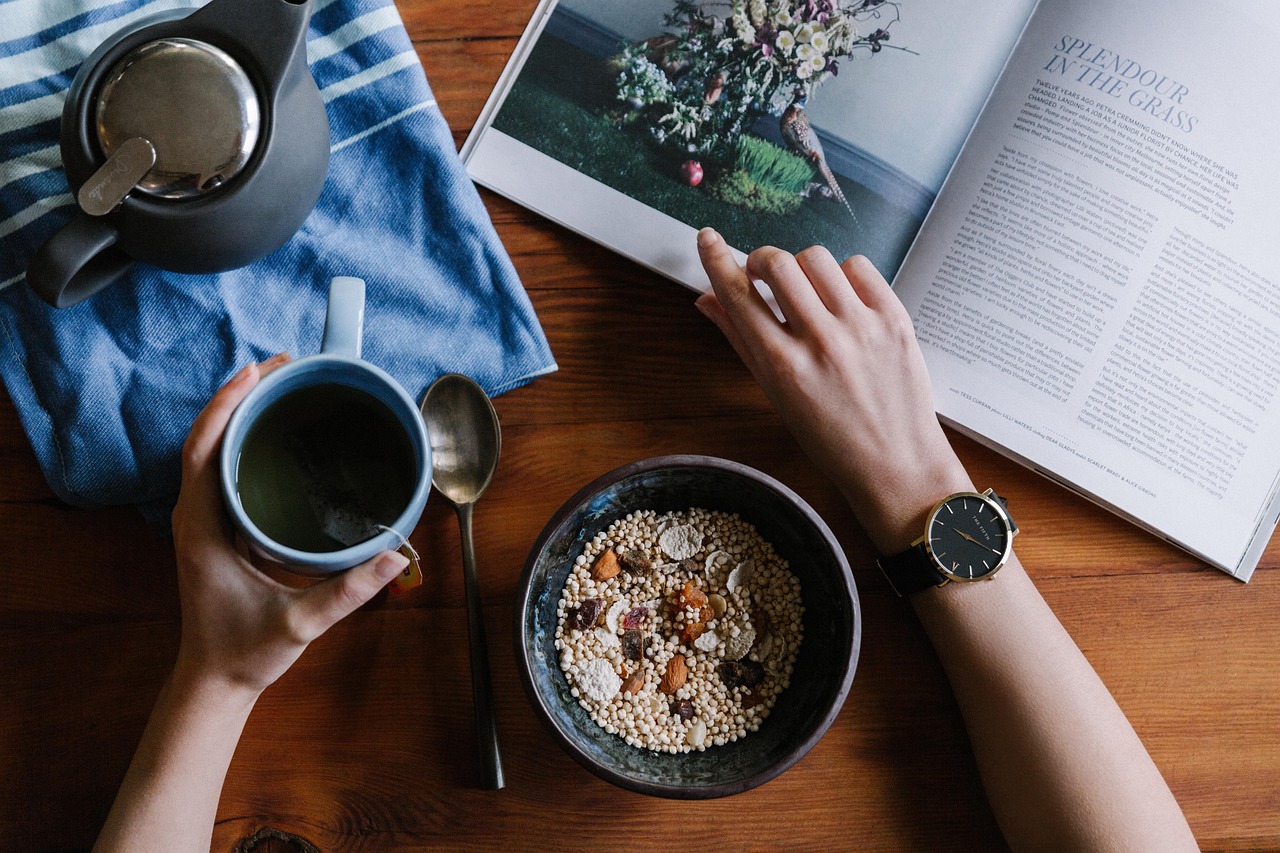
Reducing sodium doesn’t mean sacrificing flavor in your favorite dishes. With creative seasoning alternatives, you can transform ordinary meals into extraordinary culinary experiences while supporting your health goals.

The average person consumes far more sodium than recommended, often without realizing it. Most dietary sodium comes from processed foods and restaurant meals, making home cooking with flavorful alternatives an essential strategy for better health. By exploring herbs, spices, and other natural flavor enhancers, you’ll discover a world of taste that goes beyond the salt shaker.
🌿 Understanding Why Low-Sodium Matters for Your Health
Excessive sodium intake has been linked to numerous health concerns, including high blood pressure, heart disease, stroke, and kidney problems. The American Heart Association recommends no more than 2,300 milligrams of sodium per day, with an ideal limit of 1,500 mg for most adults. Unfortunately, the typical American diet contains over 3,400 mg daily.
When you reduce sodium intake, your body responds positively within weeks. Blood pressure often decreases, fluid retention diminishes, and your taste buds actually become more sensitive to natural flavors. This adaptation period usually takes about two to three weeks, after which foods you once enjoyed may taste overly salty.
The key to successful sodium reduction isn’t deprivation—it’s replacement. By substituting salt with equally flavorful alternatives, you won’t feel like you’re missing out on taste. Instead, you’ll discover new dimensions of flavor you may have never experienced before.
✨ Herb Power: Fresh and Dried Options That Pack a Punch
Herbs are nature’s flavor bombs, offering complex tastes that can completely transform a dish. Fresh herbs typically provide brighter, more vibrant flavors, while dried herbs offer concentrated, earthy notes that work beautifully in cooked dishes.
Fresh Herbs for Maximum Impact
Basil brings sweet, peppery notes perfect for Italian dishes, tomato-based recipes, and even fruit salads. Add it at the end of cooking to preserve its delicate flavor. Cilantro offers bright, citrusy undertones that complement Mexican, Thai, and Indian cuisines remarkably well.
Parsley is often underestimated but provides fresh, slightly peppery flavor that enhances nearly everything. Use flat-leaf parsley for cooking and curly parsley as garnish. Dill delivers distinctive anise-like flavor that pairs beautifully with fish, potatoes, and creamy dishes.
Mint adds refreshing coolness to both savory and sweet preparations. Try it in Middle Eastern dishes, summer beverages, or fruit desserts. Chives provide mild onion flavor without the harshness, making them ideal for finishing touches on soups, baked potatoes, and egg dishes.
Dried Herbs for Everyday Cooking
Oregano is a Mediterranean staple that brings earthy, slightly bitter notes to pizzas, pasta sauces, and grilled meats. Thyme offers subtle, slightly minty flavor that works across countless applications, from roasted vegetables to braised meats.
Rosemary provides pine-like, aromatic intensity perfect for roasted potatoes, lamb, chicken, and focaccia bread. Use it sparingly as its flavor is quite potent. Sage delivers warm, peppery notes that complement fatty meats, butternut squash, and brown butter sauces.
🌶️ Spice Up Your Life: Bold Flavors Without the Sodium
Spices offer incredible depth and complexity to food. Unlike salt, which primarily enhances existing flavors, spices introduce entirely new taste dimensions that can make low-sodium eating genuinely exciting.
Warming Spices for Comfort
Cumin provides earthy, warm flavor essential in Mexican, Indian, and Middle Eastern cuisines. Toast whole cumin seeds in a dry pan before grinding to intensify their nutty characteristics. Paprika ranges from sweet to smoky to hot, adding color and flavor to everything from deviled eggs to goulash.
Cinnamon isn’t just for desserts—it adds warmth to Moroccan tagines, Mexican moles, and even chili. Its sweet spiciness balances savory dishes beautifully. Turmeric offers mild, earthy flavor and stunning golden color, plus it’s celebrated for anti-inflammatory properties.
Heat-Bringing Spices
Black pepper is the most versatile spice in your arsenal. Freshly ground pepper provides sharp, piney heat that enhances virtually any savory dish. Cayenne pepper delivers pure heat without much flavor complexity, perfect for adding kick to sauces, soups, and rubs.
Crushed red pepper flakes bring moderate heat with slightly fruity undertones. They’re essential for Italian dishes and pizza. Ginger, whether fresh, dried, or ground, provides spicy-sweet warmth that complements Asian stir-fries, baked goods, and marinades.
🍋 Acid: The Secret Weapon in Low-Sodium Cooking
Acidic ingredients brighten flavors and provide the “pop” that salt usually delivers. They’re absolutely essential for successful low-sodium cooking and often make the difference between bland and brilliant.
Lemon juice is incredibly versatile, enhancing everything from fish to vegetables to grains. Keep fresh lemons on hand and add juice at the end of cooking for maximum impact. Lime juice offers similar benefits with slightly sweeter, more floral notes perfect for Latin American and Southeast Asian dishes.
Vinegars provide diverse flavor profiles depending on the type. Balsamic vinegar adds sweet-tart complexity to roasted vegetables and strawberries. Red wine vinegar brings sharp acidity to salad dressings and marinades. Apple cider vinegar offers fruity tang that works beautifully in slaws and barbecue sauces. Rice vinegar provides mild, slightly sweet acidity ideal for Asian dishes.
Citrus zest concentrates the essential oils from citrus peels, providing intense flavor without added liquid. Use a microplane to remove only the colored portion of the peel, avoiding the bitter white pith underneath.
🧄 Aromatics: Building Flavor from the Foundation
Aromatic vegetables form the flavor base of countless dishes worldwide. When properly cooked, they develop deep, complex tastes that reduce the need for salt significantly.
Onions caramelize into sweet, rich flavor when cooked slowly. Different varieties offer varying intensities—yellow onions for cooking, red onions for raw applications, and sweet onions like Vidalia for milder dishes. Garlic transforms from sharp and pungent when raw to mellow and sweet when roasted, providing umami depth to sauces, soups, and roasted vegetables.
Shallots combine the best qualities of onions and garlic with subtle sweetness. They’re particularly wonderful in vinaigrettes and delicate sauces. Ginger root adds spicy-sweet warmth to Asian dishes, marinades, and even beverages. Peel it with a spoon edge to minimize waste.
Celery, carrots, and bell peppers form the aromatic base of many cuisines. The French mirepoix, Italian soffritto, and Louisiana holy trinity all rely on these vegetables to create foundational flavors that support entire dishes.
💫 Umami Boosters: Savory Depth Without Sodium
Umami, the fifth taste, provides savory satisfaction that makes food taste complete. While many umami-rich ingredients are high in sodium, several low-sodium options exist.
Nutritional yeast offers cheesy, nutty flavor with minimal sodium. It’s particularly popular in plant-based cooking but works wonderfully on popcorn, pasta, and roasted vegetables for everyone. Mushrooms, especially dried varieties like porcini or shiitake, provide intense umami when rehydrated and added to soups, sauces, and risottos.
Tomato paste concentrates the natural umami found in tomatoes. Look for no-salt-added versions and use it to build depth in sauces, stews, and marinades. Miso paste does contain sodium, but low-sodium varieties exist, and you need only small amounts to add significant savory flavor.
Aged cheeses like Parmesan contain natural sodium but deliver such intense flavor that small amounts go a long way. A tablespoon of finely grated Parmesan can transform a dish while adding far less sodium than salt would.
🌰 Toasted Elements: Adding Complexity Through Technique
Toasting dramatically intensifies flavors, creating nutty, complex notes that add dimension to low-sodium dishes. This technique works with numerous ingredients and requires no special equipment.
Nuts and seeds become more flavorful when toasted in a dry skillet or oven. Almonds, walnuts, pine nuts, sesame seeds, and pumpkin seeds all benefit from this treatment. Watch them carefully as they can burn quickly. Use toasted nuts and seeds as garnishes for salads, grain bowls, and vegetable dishes.
Whole spices develop deeper flavor when toasted before grinding. Try this with cumin seeds, coriander seeds, fennel seeds, and peppercorns. The aromatic oils are released through heat, creating more complex flavor profiles than pre-ground versions.
Breadcrumbs toasted with herbs, garlic, and a small amount of olive oil create flavorful toppings for pasta, casseroles, and vegetables. This technique adds textural contrast along with flavor enhancement.
🍯 Smart Seasoning Blends You Can Make at Home
Commercial seasoning blends often contain shocking amounts of sodium. Creating your own ensures complete control over ingredients while saving money. Store homemade blends in airtight containers away from heat and light.
Italian Seasoning Blend
Combine equal parts dried basil, oregano, rosemary, and thyme with half portions of marjoram and sage. Add garlic powder and crushed red pepper flakes to taste. This versatile blend works on pasta, pizza, chicken, and vegetables.
Everything Bagel Seasoning (Sodium-Free Version)
Mix sesame seeds, poppy seeds, dried minced garlic, dried minced onion, and black sesame seeds. Skip the salt entirely or use a salt substitute. This addictive blend elevates avocado toast, roasted vegetables, eggs, and cream cheese.
Taco Seasoning
Blend chili powder, cumin, paprika, oregano, garlic powder, onion powder, and cayenne pepper. This homemade version contains zero sodium compared to packaged varieties that can have 300mg per serving.
Lemon-Herb Seasoning
Combine dried lemon zest, thyme, basil, garlic powder, and black pepper. This bright blend works beautifully with fish, chicken, and roasted potatoes.
🥘 Practical Application: Transforming Common Dishes
Understanding how to apply these alternatives in real cooking situations makes the difference between theory and delicious reality. Here’s how to approach common dishes with confidence.
Seasoning Proteins
For chicken, create a rub with paprika, garlic powder, thyme, black pepper, and lemon zest. Marinate in lemon juice and olive oil for extra moisture. Fish benefits from lighter touches—dill, parsley, lemon juice, and a small amount of butter create restaurant-quality flavor. Beef handles bolder seasonings like cumin, smoked paprika, garlic, and black pepper wonderfully.
Enhancing Vegetables
Roasted vegetables become extraordinary with olive oil, garlic, rosemary, and balsamic vinegar. The caramelization from roasting develops natural sweetness that requires no salt. Steamed vegetables benefit from finishing with lemon juice, fresh herbs, and toasted nuts or seeds for textural contrast.
Perfecting Grains and Legumes
Cook rice in low-sodium broth instead of water, adding bay leaves, garlic, and onion to the cooking liquid. Finish with fresh herbs and lemon juice. Beans respond beautifully to cumin, oregano, garlic, and smoked paprika. Add aromatics like onion and bell pepper during cooking for depth.
📱 Tracking Your Sodium Journey
Monitoring sodium intake helps you understand where hidden sodium lurks and track your progress. Several apps make this process simple and educational, helping you make informed choices about seasonings and ingredients.
Digital tools can scan barcodes, track meals, and provide detailed nutritional information including sodium content. This awareness empowers better decision-making when shopping and cooking, ensuring your flavorful alternatives truly reduce sodium intake rather than simply supplementing it.
🎯 Making the Transition Sustainable
Switching to low-sodium seasoning requires patience as your palate adjusts. Start by gradually reducing salt in recipes rather than eliminating it immediately. This gentler approach allows your taste buds to adapt without shock.
Focus on one meal at a time rather than overhauling everything simultaneously. Master low-sodium breakfast, then move to lunch, then dinner. This progressive approach prevents overwhelm and allows you to develop confidence with new seasonings.
Keep a flavor journal noting which herb and spice combinations you enjoy most. This personal reference becomes invaluable when you’re planning meals or feeling uninspired. Document successful experiments and learn from less successful ones.
Stock your pantry strategically. Having diverse herbs, spices, vinegars, and citrus on hand makes flavorful low-sodium cooking effortless rather than requiring special shopping trips. Invest in a few high-quality items like fresh-ground pepper, good olive oil, and real vanilla extract—they make noticeable differences.

🌟 Embracing Your Flavorful Future
Reducing sodium through flavorful alternatives isn’t about restriction—it’s about expansion. You’re not removing salt; you’re discovering dozens of exciting flavors that were overshadowed by excessive sodium. Each herb, spice, acid, and aromatic opens new culinary possibilities.
Your relationship with food can become more adventurous and satisfying when you explore beyond the salt shaker. Dishes develop complexity and nuance that simple saltiness never provided. You’ll taste ingredients more clearly and appreciate subtle flavors you previously missed.
The health benefits of reduced sodium intake are substantial and well-documented, but the culinary benefits are equally compelling. Your cooking will become more sophisticated, your palate more refined, and your meals more memorable. Friends and family may not even realize your dishes are low in sodium—they’ll simply notice everything tastes exceptionally good.
Start with small changes today. Replace salt with lemon juice in your next salad dressing. Toast cumin seeds for your taco filling. Add fresh basil to your pasta instead of reaching for the salt. These minor adjustments accumulate into major improvements in both health and flavor. Your future self will thank you for every flavorful, low-sodium meal you create starting right now.