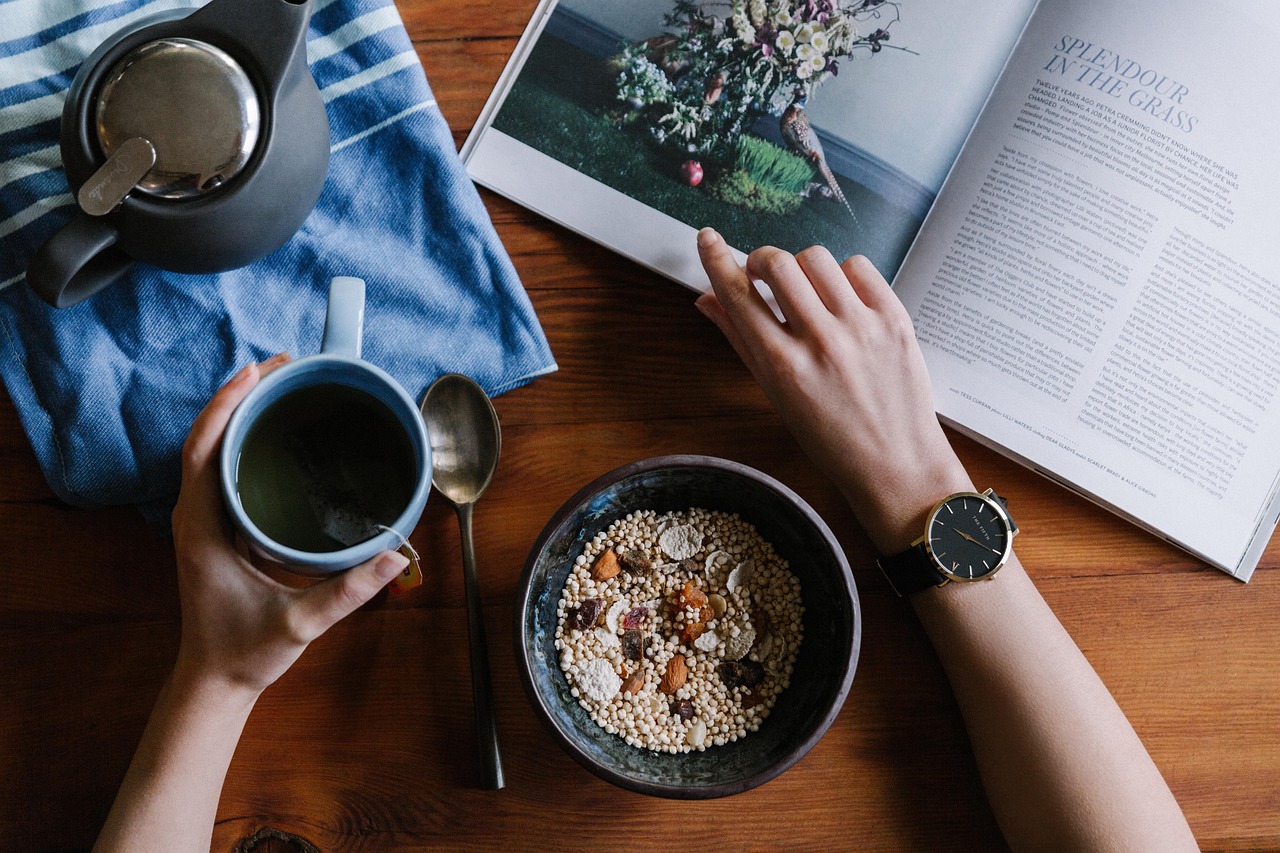
Reducing sodium doesn’t mean sacrificing flavor in your meals. With the right techniques and ingredient choices, you can create delicious, heart-healthy dishes that satisfy your taste buds while protecting your cardiovascular health.

High sodium intake has been linked to hypertension, heart disease, and stroke, making it crucial to monitor our salt consumption. The average American consumes about 3,400 milligrams of sodium daily—well above the recommended 2,300 milligrams. The good news is that cutting back on sodium while maintaining delicious meals is entirely achievable with proper knowledge and culinary creativity.
🧂 Understanding Sodium and Its Impact on Health
Sodium is an essential mineral that helps regulate fluid balance, nerve transmission, and muscle function. However, excessive sodium intake forces your body to retain water, increasing blood pressure and straining your cardiovascular system. Most dietary sodium doesn’t come from the salt shaker—approximately 70% comes from processed and restaurant foods.
Processed meats, canned soups, frozen dinners, bread, cheese, and condiments are hidden sodium bombs in the typical diet. Even seemingly healthy options like cottage cheese or vegetable juice can contain surprisingly high sodium levels. Learning to identify these sources is your first step toward better health.
The Flavor Foundation: Building Taste Without Salt
Creating flavorful meals without relying on sodium requires understanding the five basic tastes: sweet, sour, bitter, salty, and umami. By layering these flavors strategically, you can develop complex, satisfying dishes that don’t need excessive salt.
Umami: Your Secret Weapon 🍄
Umami, often described as savory or meaty, is perhaps the most powerful tool for replacing salt. This taste sensation comes from glutamates naturally present in certain foods. Incorporating umami-rich ingredients creates depth and satisfaction that makes salt less necessary.
Mushrooms, especially dried shiitake and porcini, deliver intense umami flavor. Tomatoes, particularly sun-dried or roasted varieties, concentrate this savory quality. Parmesan cheese, while containing sodium, is so flavorful that a small amount goes far. Nutritional yeast provides a cheesy, savory taste with minimal sodium, making it perfect for plant-based cooking.
Acid: Brightness That Enhances Everything
Acidic ingredients brighten flavors and create balance in dishes, reducing the need for salt. Fresh lemon and lime juice, vinegars (balsamic, apple cider, red wine, and rice), and fermented foods like sauerkraut all provide this essential component.
Adding a squeeze of lemon to vegetables, fish, or soups immediately elevates the dish. A splash of vinegar in bean dishes, stews, or grain salads creates complexity. The key is adding acid at the end of cooking to preserve its bright, fresh character.
Herbs and Spices: Your Flavor Arsenal 🌿
Fresh and dried herbs and spices are indispensable for sodium-conscious cooking. These ingredients provide layers of flavor without any sodium content, allowing you to create restaurant-quality meals at home.
Fresh Herbs for Maximum Impact
Fresh herbs deliver vibrant flavors that transform simple dishes. Basil pairs beautifully with tomatoes and Italian cuisine. Cilantro adds brightness to Mexican, Asian, and Middle Eastern dishes. Parsley, often dismissed as garnish, actually provides fresh, clean flavor that complements nearly everything.
Dill works wonderfully with fish and cucumber-based dishes. Mint brings coolness to lamb, yogurt-based sauces, and fruit salads. Rosemary and thyme infuse poultry, potatoes, and roasted vegetables with aromatic depth. Growing these herbs in your kitchen window ensures a constant supply of fresh flavor.
Spice Blends and Individual Spices
Creating your own salt-free spice blends gives you control over flavor profiles. A basic Italian blend might include dried basil, oregano, thyme, rosemary, and garlic powder. For Mexican-inspired dishes, combine cumin, chili powder, smoked paprika, and oregano.
Individual spices offer specific flavor contributions. Cumin provides earthiness to beans, grains, and roasted vegetables. Smoked paprika adds depth reminiscent of bacon without the sodium. Turmeric offers color and subtle warmth to rice dishes and curries. Cinnamon and nutmeg aren’t just for desserts—they enhance savory dishes like Moroccan tagines or butternut squash soup.
Cooking Techniques That Maximize Flavor 👨🍳
How you cook dramatically impacts flavor development. Certain techniques concentrate and enhance natural flavors, reducing dependency on salt.
Roasting and Caramelization
Roasting vegetables at high temperatures (400-450°F) caramelizes their natural sugars, creating sweet, complex flavors. Brussels sprouts, cauliflower, carrots, and sweet potatoes all benefit from this treatment. Toss them with olive oil and herbs, then roast until golden and slightly charred.
The Maillard reaction—the browning that occurs when proteins and sugars are heated—creates hundreds of flavor compounds. Properly searing meat or roasting chicken with the skin on develops rich, savory flavors that need minimal seasoning.
Slow Cooking and Braising
Long, slow cooking methods allow flavors to meld and intensify. Braising tough cuts of meat in wine, stock, and aromatics creates tender, flavorful results. The extended cooking time extracts flavor from bones, vegetables, and herbs, building complexity naturally.
Slow cookers and instant pots make this technique accessible for busy schedules. Starting with unsalted or low-sodium broths and building flavor through vegetables, herbs, and spices produces healthier results than pre-seasoned convenience foods.
Smart Substitutions for Common High-Sodium Foods
Identifying and replacing high-sodium ingredients is essential for maintaining a flavorful, low-sodium diet. These swaps help you transition without feeling deprived.
Condiments and Sauces
Traditional soy sauce contains about 900 milligrams of sodium per tablespoon. Low-sodium versions reduce this by 25-40%, but coconut aminos provide an even better alternative with just 90 milligrams per tablespoon while maintaining that savory, slightly sweet flavor.
Ketchup, barbecue sauce, and salad dressings often contain surprising amounts of sodium. Making homemade versions allows complete control. A simple vinaigrette with olive oil, vinegar, Dijon mustard, and herbs contains minimal sodium while providing maximum flavor.
Broths and Stocks
Commercial broths can contain 500-800 milligrams of sodium per cup. Making your own stock from vegetable scraps, chicken bones, or beef bones gives you sodium-free flavor bases. Freeze stock in ice cube trays for convenient portions.
When purchasing store-bought options, choose unsalted or low-sodium versions. Enhance them with fresh herbs, garlic, ginger, and a splash of vinegar or wine to boost flavor without adding sodium.
🥗 Protein Preparations That Shine Without Salt
Protein dishes often rely heavily on salt, but alternative preparation methods create equally satisfying results.
Marinades and Rubs
Marinades tenderize meat while infusing flavor. Combine acid (citrus juice or vinegar), fat (olive oil), and aromatics (garlic, ginger, herbs) for balanced marinades. Allow proteins to marinate for at least 30 minutes, or overnight for maximum impact.
Dry rubs made from spices, dried herbs, and a touch of brown sugar create flavorful crusts on grilled or roasted meats. Paprika, cumin, coriander, black pepper, and garlic powder combine beautifully for a versatile rub.
Fish and Seafood
Fresh fish requires minimal seasoning. A drizzle of olive oil, squeeze of lemon, and sprinkle of fresh herbs highlight rather than mask its delicate flavor. Cooking fish en papillote (in parchment paper) with vegetables, herbs, and white wine creates a self-contained flavor package.
Be cautious with shellfish, which naturally contains more sodium than finfish. Preparation methods matter—steaming or grilling is preferable to preparations with butter or cream sauces, which often contain added salt.
Grain and Vegetable Strategies 🌾
Side dishes and plant-based meals benefit enormously from proper seasoning techniques that don’t rely on salt.
Cooking Grains for Maximum Flavor
Instead of cooking rice, quinoa, or farro in plain water, use unsalted vegetable or chicken broth enhanced with bay leaves, garlic cloves, or a cinnamon stick. Toasting grains in a dry pan before cooking enhances their nutty flavor.
After cooking, fluff grains with fresh herbs, citrus zest, and a drizzle of quality olive oil. These finishing touches add layers of flavor that make salt unnecessary.
Vegetable Preparation Techniques
Raw vegetables benefit from quick pickling in vinegar with herbs and spices. This technique works beautifully for cucumbers, red onions, carrots, and radishes, creating tangy, flavorful accompaniments.
Blanching vegetables in unsalted water, then shocking them in ice water preserves color and texture. Finish by sautéing with garlic, olive oil, and red pepper flakes for simple, delicious results.
Meal Planning for Sodium Success 📱
Successful sodium reduction requires planning and organization. Preparing meals at home gives you complete control over sodium content while ensuring variety and nutrition.
Start by planning weekly menus that incorporate diverse flavors and cooking techniques. Shop the perimeter of the grocery store where fresh, unprocessed foods are typically located. Read nutrition labels carefully, comparing sodium content per serving across brands.
Batch cooking staples like unsalted beans, grains, and stocks on weekends sets you up for quick, healthy meals throughout the week. Invest in quality storage containers to keep ingredients fresh and organized.
Dining Out and Social Situations
Maintaining a low-sodium diet while eating out requires strategy but doesn’t mean avoiding restaurants entirely. Most establishments accommodate special requests, especially when health concerns are mentioned.
Request that your meal be prepared without added salt. Ask for sauces and dressings on the side so you can control portions. Choose simply prepared dishes like grilled fish with steamed vegetables rather than casseroles or heavily sauced entrees.
When attending social gatherings, offer to bring a dish, ensuring at least one low-sodium option is available. Focus on fresh vegetables, fruits, and homemade dips rather than chips and processed snacks.
Training Your Taste Buds 👅
Adjusting to lower sodium levels takes time—usually two to three weeks. During this transition period, your taste buds adapt, becoming more sensitive to subtle flavors. Foods that once seemed bland will begin to reveal their natural, delicious qualities.
Reduce sodium gradually rather than eliminating it completely overnight. This approach makes the transition more sustainable and less shocking to your palate. Replace half the salt in recipes initially, then reduce further as you adapt.
Notice how individual ingredients taste. Fresh tomatoes, quality olive oil, and properly roasted vegetables have remarkable flavor without any seasoning. Appreciating these natural tastes makes sodium reduction feel less like deprivation and more like culinary appreciation.
Essential Kitchen Tools and Ingredients 🔪
Stocking your kitchen with the right tools and ingredients makes low-sodium cooking easier and more enjoyable.
A quality pepper grinder allows you to freshly grind black pepper, which has significantly more flavor than pre-ground versions. A microplane grater makes quick work of citrus zest, fresh ginger, and garlic—all sodium-free flavor boosters.
Keep your pantry stocked with various vinegars, citrus fruits, dried herbs and spices, nutritional yeast, unsalted nuts, and quality olive oil. Having these ingredients readily available makes flavorful cooking convenient.
Long-Term Health Benefits and Motivation 💪
The benefits of reducing sodium extend beyond blood pressure. Lower sodium intake reduces fluid retention, decreases kidney strain, and may improve bone health by reducing calcium loss through urine. Many people report improved energy levels and better sleep quality.
Within weeks of reducing sodium, you may notice reduced bloating and puffiness. Over months, blood pressure typically decreases, potentially reducing or eliminating the need for medication—always consult your physician before making medication changes.
Tracking your progress helps maintain motivation. Note blood pressure readings, energy levels, and how foods taste as your palate adjusts. Celebrate small victories, like successfully preparing a family meal everyone enjoyed without excess salt.
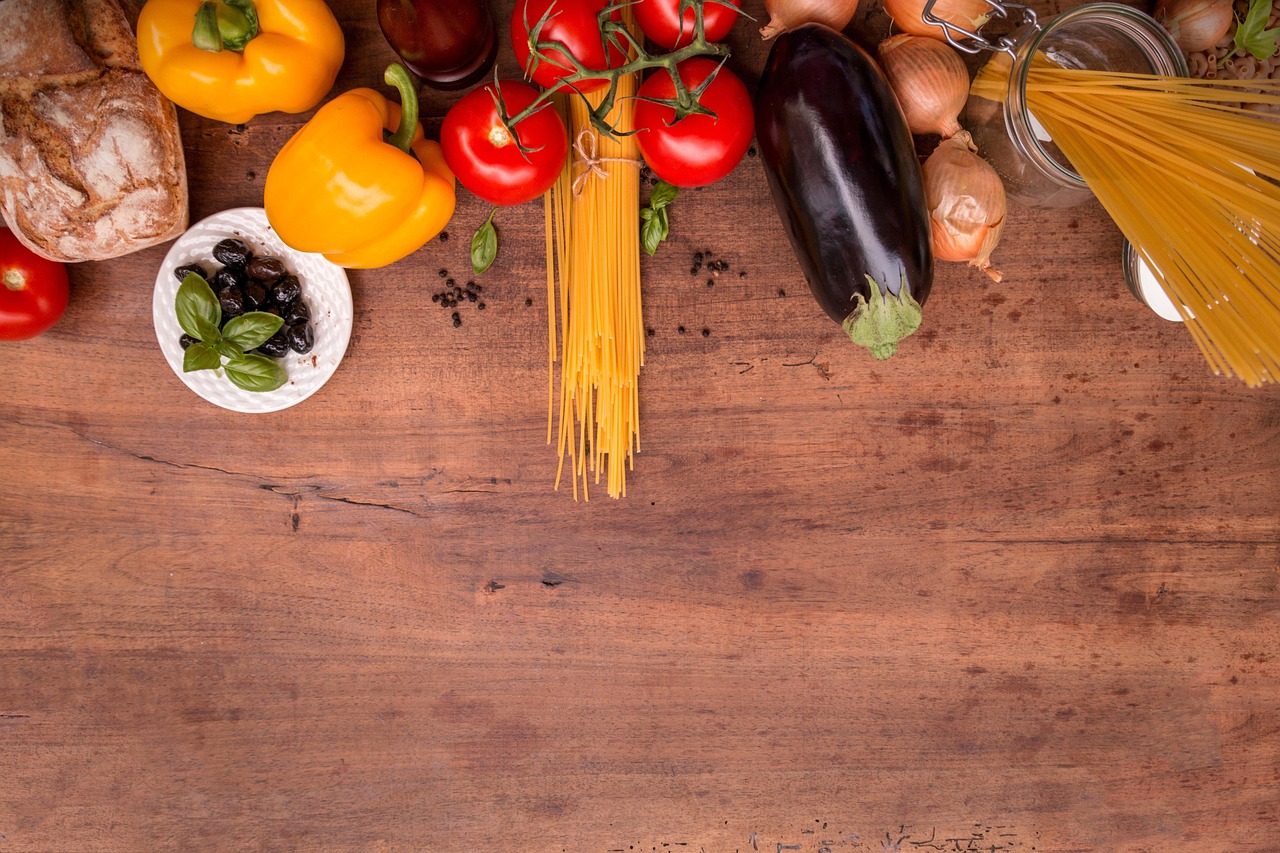
Creating Your Personalized Flavor Profile
Everyone’s taste preferences differ, so developing your personalized approach to low-sodium cooking ensures long-term success. Experiment with different herb and spice combinations to discover what resonates with your palate.
If you love bold flavors, emphasize garlic, ginger, chili peppers, and strong herbs like rosemary. For those preferring subtle tastes, focus on fresh herbs, citrus, and delicate spices. Mediterranean, Asian, Indian, and Latin American cuisines all offer sodium-conscious inspiration.
Keep a cooking journal noting successful combinations and dishes. This personal reference guide becomes invaluable, especially when you’re short on time or inspiration.
Reducing sodium while maintaining delicious, satisfying meals is absolutely achievable with knowledge, creativity, and commitment. By understanding flavor principles, utilizing herbs and spices strategically, employing proper cooking techniques, and planning thoughtfully, you can create a sustainable, health-promoting eating pattern. Your heart, kidneys, and taste buds will thank you for embracing these flavor-packed, low-sodium solutions that prove healthy eating never has to be boring or bland.