Discovering how to create bold, vibrant flavors without reaching for the salt shaker can revolutionize your kitchen experience and transform your health.

For decades, salt has been the go-to seasoning in kitchens worldwide, but excessive sodium intake contributes to high blood pressure, heart disease, and other serious health conditions. The good news? You don’t have to sacrifice taste to reduce sodium. Low-sodium spice blends offer an incredible opportunity to explore new flavor profiles while supporting your wellness goals. These aromatic combinations can elevate everything from weeknight dinners to gourmet meals, proving that bold flavors and healthy eating aren’t mutually exclusive.
🌶️ Why Reducing Sodium Matters More Than You Think
The average American consumes approximately 3,400 milligrams of sodium daily—nearly 50% more than the recommended 2,300 milligrams. This excessive intake places tremendous strain on cardiovascular health, increasing the risk of stroke, kidney disease, and hypertension. According to health experts, reducing sodium by just 1,000 milligrams per day can significantly lower blood pressure and reduce cardiovascular events.
Most dietary sodium doesn’t come from the salt shaker on your table. Processed foods, restaurant meals, and packaged goods account for approximately 75% of sodium consumption. This makes home cooking with intentional seasoning strategies one of the most effective ways to take control of your sodium intake while still enjoying delicious, satisfying meals.
The challenge many face when reducing salt is the perception that food will become bland and unappetizing. This misconception keeps countless people trapped in unhealthy eating patterns. However, the culinary world offers an abundance of herbs, spices, and aromatic ingredients that deliver complexity, depth, and excitement to dishes without relying on sodium.
The Science Behind Flavor Without Salt
Understanding how our taste buds work reveals why low-sodium cooking can be just as satisfying as traditional methods. The human palate detects five basic tastes: sweet, salty, sour, bitter, and umami. Salt enhances and balances these flavors, but it’s not the only ingredient capable of doing so.
Spices and herbs contain volatile compounds that stimulate taste receptors and olfactory senses, creating perceived flavor that goes far beyond simple saltiness. For example, smoked paprika delivers depth and complexity, while citrus zest provides brightness and contrast. Garlic and onion powder contribute savory umami notes that satisfy the palate similarly to salt.
When you reduce sodium gradually and replace it with strategic spice blends, your taste buds actually adapt within a few weeks. This recalibration allows you to appreciate subtle flavors you might have missed before, opening up an entirely new dimension of culinary appreciation.
✨ Essential Components of Irresistible Low-Sodium Spice Blends
Creating effective salt-free spice blends requires understanding which ingredients bring specific qualities to your cooking. The most successful combinations balance multiple flavor dimensions simultaneously.
Aromatics That Build Foundation
Garlic powder, onion powder, and shallot powder form the savory base of countless spice blends. These ingredients provide umami depth without any sodium content. They’re particularly effective in rubs, marinades, and seasoning mixes for vegetables and proteins.
Dried aromatics concentrate flavors significantly compared to their fresh counterparts. A quarter teaspoon of garlic powder can deliver more consistent seasoning than a fresh clove, making these pantry staples invaluable for quick weeknight cooking.
Heat and Complexity Builders
Peppers in various forms—from mild paprika to fiery cayenne—add both heat and color to dishes. Black pepper, white pepper, and pink peppercorns each contribute distinct flavor profiles beyond simple spiciness.
Smoked varieties like smoked paprika or chipotle powder introduce another layer entirely, delivering the perception of richness and depth typically associated with long cooking times or fatty ingredients. This makes them particularly valuable in plant-based cooking or lighter preparations.
Brightness and Contrast Elements
Dried citrus zest, sumac, and dried tomato powder bring acidity and brightness that balance rich flavors. These ingredients make dishes taste more complete and satisfying without adding sodium.
Herbs like dried basil, oregano, thyme, and rosemary contribute aromatic qualities that make food smell as good as it tastes—an often underestimated component of flavor perception.
🌿 Five Essential Low-Sodium Spice Blends Every Kitchen Needs
Mediterranean Magic Blend
This versatile combination works beautifully with chicken, fish, vegetables, and even pasta dishes. Mix together dried basil, oregano, thyme, rosemary, garlic powder, and lemon zest powder in equal proportions. Add a smaller amount of black pepper for gentle heat.
The herbaceous quality of this blend transports your taste buds to the sun-drenched coasts of Greece and Italy. Use it generously on roasted vegetables, as a seasoning for grilled proteins, or mixed into olive oil as a bread dip.
Smoky Southwest Seasoning
Combining smoked paprika, cumin, coriander, garlic powder, onion powder, and a touch of cayenne creates an earthy, warming blend perfect for tacos, roasted sweet potatoes, black beans, and grilled corn.
This blend demonstrates how layering complementary spices creates the perception of richness and satisfaction that people often associate with salt. The smokiness tricks the palate into experiencing more complexity than the individual ingredients might suggest.
Asian-Inspired Fusion Mix
Ginger powder, garlic powder, white pepper, toasted sesame seeds, dried orange peel, and a small amount of five-spice powder create an aromatic blend ideal for stir-fries, marinades, and roasted vegetables.
This combination highlights how different culinary traditions approach flavor building without relying primarily on sodium. The warming qualities of ginger and the numbing complexity of five-spice create memorable dishes that never feel like they’re missing anything.
Italian Herb Garden Blend
Equal parts dried basil, parsley, oregano, and marjoram, combined with smaller amounts of thyme, rosemary, garlic powder, and crushed red pepper flakes, creates a classic Italian seasoning with no sodium.
This blend works wonderfully in tomato sauces, on pizza, with roasted chicken, or mixed into breadcrumbs for coating proteins. The combination of soft herbs and aromatics provides comforting familiarity while supporting health goals.
Everything Bagel-Inspired Seasoning (Salt-Free)
Sesame seeds, poppy seeds, dried minced garlic, dried minced onion, and black sesame seeds create a crunchy, flavorful topping for virtually anything. This blend proves that texture contributes significantly to flavor perception.
Sprinkle it on avocado toast, roasted vegetables, salads, eggs, or use it as a coating for baked salmon. The varied textures and aromatic qualities make every bite interesting and satisfying.
Practical Tips for Transitioning to Low-Sodium Cooking
Making the shift from salt-dependent cooking to spice-forward preparations requires some adjustment, but the process becomes easier with the right strategies.
Start Gradually Rather Than Going Cold Turkey
Reducing sodium by 25% initially allows your palate to adjust without feeling deprived. After two weeks, reduce another 25%. This gradual approach significantly increases long-term success compared to eliminating salt completely overnight.
During this transition period, focus on adding spices rather than simply removing salt. This positive framing helps you discover new favorites rather than dwelling on what you’ve eliminated.
Layer Flavors Throughout Cooking
Professional chefs build flavor in stages rather than adding everything at once. Season proteins before cooking, add spices to cooking oil to bloom their flavors, and finish dishes with fresh herbs or a squeeze of citrus.
This technique creates depth and complexity that single-stage seasoning cannot achieve. Each layer contributes distinct notes that combine into a harmonious whole.
Toast Spices Before Using
Gently heating whole or ground spices in a dry pan for 30-60 seconds awakens their essential oils and intensifies flavors dramatically. This simple step transforms ordinary spice blends into extraordinary ones.
Watch carefully to avoid burning, which introduces bitterness. The spices are ready when they become fragrant—usually well before they darken significantly.
🍳 Recipe Ideas That Showcase Low-Sodium Spice Blends
Herb-Crusted Roasted Chicken
Coat chicken pieces with olive oil, then generously apply your Mediterranean Magic Blend. Roast at 425°F until the skin crisps and the internal temperature reaches 165°F. The herbs form an aromatic crust that delivers incredible flavor in every bite.
The combination of fat from the chicken skin and olive oil helps carry the fat-soluble flavor compounds from the herbs throughout the dish, creating richness without sodium.
Smoky Sweet Potato Wedges
Toss sweet potato wedges with a small amount of oil and your Smoky Southwest Seasoning. Roast at 425°F until caramelized and tender. The natural sweetness of the potatoes balances the smoky, earthy spices perfectly.
This side dish proves that vegetables can be the star of the meal when properly seasoned. The caramelization that occurs during roasting adds another layer of complexity.
Asian-Inspired Salmon
Rub salmon fillets with your Asian-Inspired Fusion Mix and let rest for 15 minutes. Pan-sear or bake until just cooked through. Finish with a squeeze of fresh lime for brightness.
The fatty richness of salmon pairs beautifully with bold spices, and the omega-3 fatty acids carry flavors efficiently across the palate, creating a satisfying experience without any need for salt.
Shopping and Storage Tips for Maximum Freshness
The quality and freshness of your spices directly impacts the success of your low-sodium cooking. Old, stale spices cannot deliver the bold flavors necessary to replace salt effectively.
Buy in Smaller Quantities
Whole spices maintain potency for about two years, while ground spices begin losing intensity after six months. Purchase amounts you’ll use within these timeframes rather than buying in bulk to save money.
Consider this an investment in your health and culinary success. Fresh spices transform cooking from obligation into pleasure.
Store Properly for Longevity
Keep spices away from heat, light, and moisture—the three enemies of freshness. A cool, dark cupboard away from the stove is ideal. Avoid storing spices above the stove or in direct sunlight.
Glass containers with tight-fitting lids protect against moisture and preserve aromatic compounds better than plastic. Label containers with purchase dates to track freshness.
Test Before Using in Important Dishes
If you’re unsure about a spice’s potency, smell it first. Fresh spices have immediately noticeable aromas. If you need to sniff deeply or the scent seems muted, the spice has likely lost effectiveness.
Consider refreshing your spice collection seasonally, treating it as essential maintenance for health-supporting cooking rather than an optional expense.
💪 The Long-Term Health Benefits of Bold, Low-Sodium Cooking
Consistently preparing meals with flavorful spice blends instead of salt delivers benefits that extend far beyond blood pressure management.
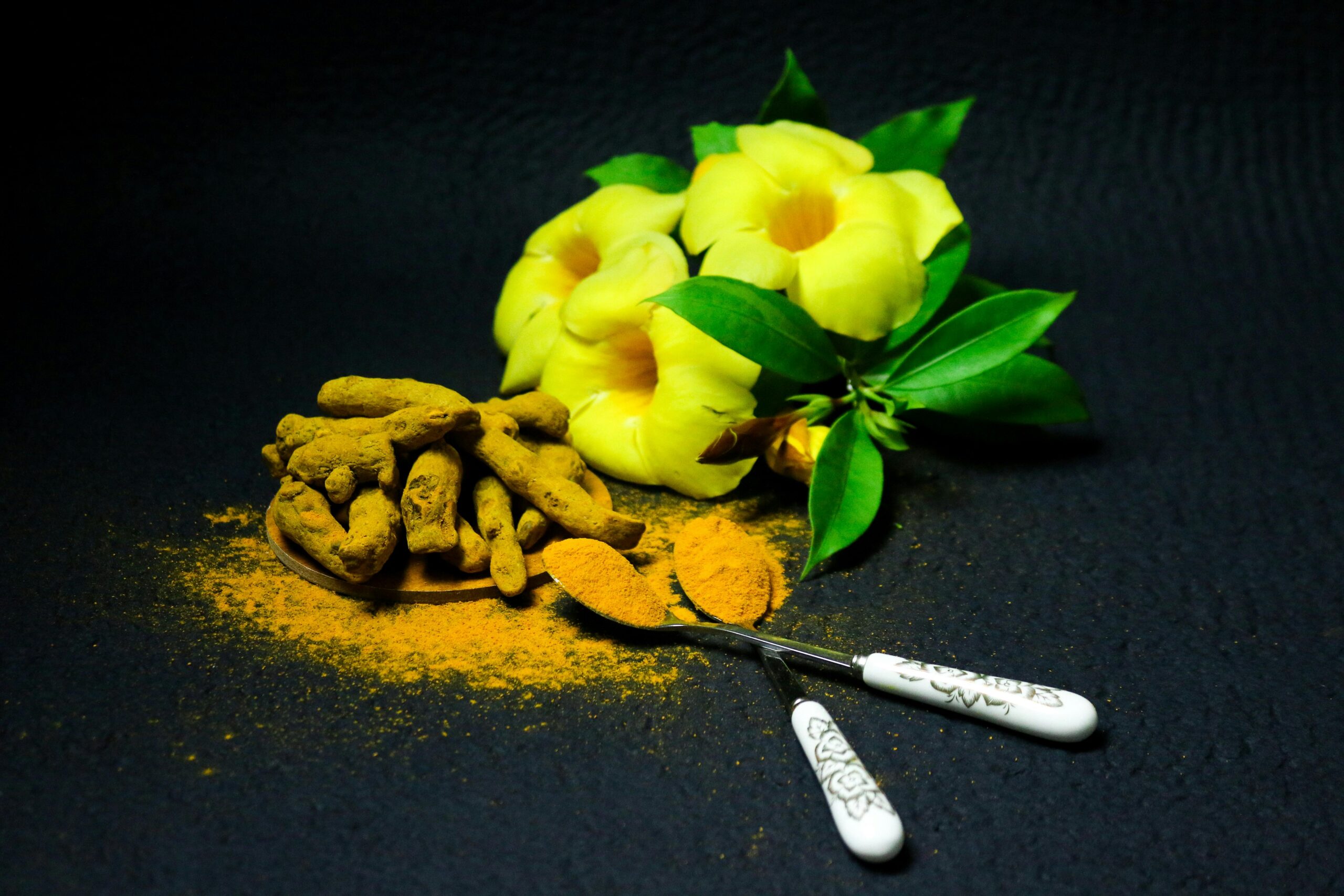
Many spices contain powerful antioxidants that combat inflammation throughout the body. Turmeric, cinnamon, ginger, and cloves rank among the most antioxidant-rich foods available. Incorporating these regularly supports cellular health and may reduce disease risk.
Reducing sodium intake helps the kidneys function more efficiently, decreasing their workload and protecting long-term renal health. This becomes increasingly important as we age and kidney function naturally declines.
Lower sodium consumption reduces water retention, which many people notice through reduced bloating and more consistent energy levels throughout the day. This physical comfort makes the dietary change feel rewarding rather than restrictive.
Perhaps most importantly, developing skill with spice blends increases cooking confidence and enjoyment. When you know how to create delicious food that supports your health, cooking transforms from a chore into an act of self-care.
Overcoming Common Challenges in Low-Sodium Cooking
Even with the best intentions and quality spice blends, certain obstacles commonly arise during the transition to low-sodium cooking.
Dining Out While Maintaining Low-Sodium Habits
Restaurant meals typically contain extremely high sodium levels. Request sauces and dressings on the side, ask for dishes to be prepared without added salt, and focus on simply prepared proteins and vegetables when possible.
Don’t hesitate to communicate your dietary needs clearly. Most restaurants accommodate reasonable requests, especially when framed as health requirements rather than preferences.
Managing Family Members Who Resist Change
Introduce new spice blends gradually alongside familiar favorites rather than completely overhauling family meals overnight. Let people add their own salt at the table while you enjoy your flavorful, unsalted portion.
Focus on naturally flavorful dishes like roasted vegetables, grilled proteins, and fresh herbs. These preparations taste delicious with minimal seasoning and help others appreciate flavors beyond salt.
Dealing with Convenience Food Cravings
Prepare your own versions of convenience foods using spice blends. Homemade seasoned popcorn, spiced nuts, and marinated vegetables satisfy cravings while supporting health goals.
Batch-cooking seasoned proteins and grains on weekends provides healthy convenience foods for busy weeknights, removing the temptation to rely on high-sodium packaged options.
🎯 Your Action Plan for Bold, Low-Sodium Cooking Success
Transforming your cooking begins with commitment and a clear plan. Start by creating two or three of the spice blends mentioned earlier. Store them in clearly labeled containers where you’ll see them regularly.
Choose one familiar recipe this week and prepare it using a spice blend instead of salt. Notice the flavors, textures, and your satisfaction level. This experimentation without pressure helps build confidence.
Gradually expand your repertoire by trying one new low-sodium recipe weekly. Keep notes about which spice combinations you enjoy most and which preparations work best for your lifestyle.
Connect with others making similar changes through online communities or cooking classes focused on healthy preparations. This social support significantly increases long-term success and makes the journey more enjoyable.
Remember that recalibrating your palate takes time. Be patient with yourself during the adjustment period. Most people report that within three to four weeks, they genuinely prefer the complex flavors of spice-forward cooking over their previous salt-dependent habits.
The journey to bold flavors without salt isn’t about deprivation—it’s about discovery. Each spice blend you create opens new culinary possibilities, supporting both your health and your enjoyment of food. Your kitchen becomes a laboratory for delicious experimentation, proving that the most flavorful path forward is also the healthiest one. Transform your cooking today, and your body will thank you for years to come.