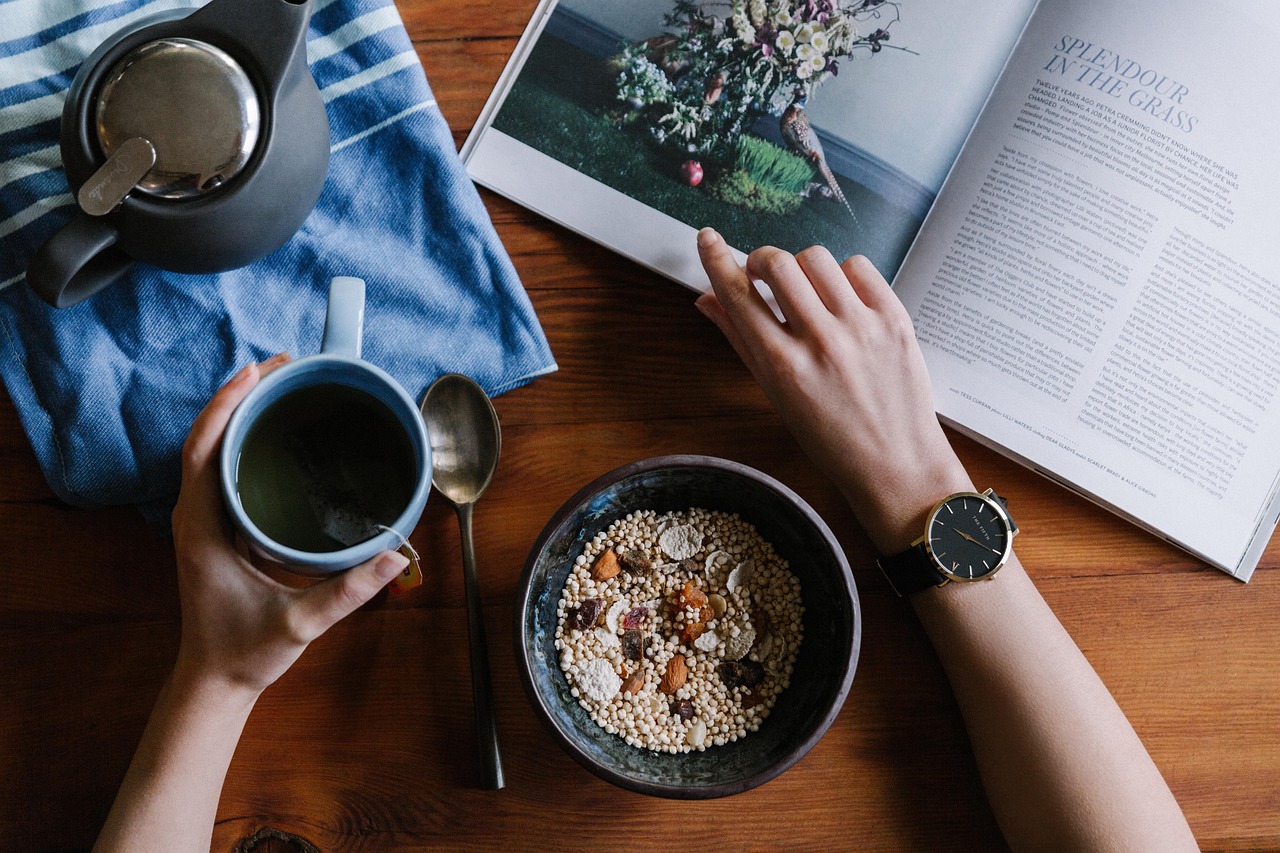
Reducing sodium intake doesn’t mean settling for bland, boring meals. With the right techniques and flavor-building strategies, you can create delicious low-salt dishes that rival their full-sodium counterparts in taste and satisfaction.

The journey to healthier eating through sodium reduction is one of the most impactful dietary changes you can make. High sodium consumption has been linked to increased blood pressure, heart disease, and stroke. Yet, the thought of giving up the savory flavors we love often stops people before they even start. The good news? You don’t have to sacrifice taste to protect your health.
🧂 Understanding Salt’s Role in Cooking
Before we dive into reduction strategies, it’s important to understand why salt is so prevalent in our cooking. Salt enhances flavor by suppressing bitterness and amplifying other taste sensations. It also affects texture in baking and preservation in many traditional recipes. However, most of us consume far more sodium than the recommended 2,300 milligrams per day, with processed foods being the primary culprit.
When you start reducing salt, your taste buds need approximately two to three weeks to adjust. During this transition period, foods might taste different, but your palate will gradually recalibrate. Many people report that after successfully reducing their sodium intake, previously “normal” foods taste overwhelmingly salty.
The Five Flavor Foundations for Low-Salt Cooking
To successfully transform your favorite dishes into low-salt delights, you need to master five fundamental flavor-building techniques that compensate for reduced sodium. These approaches work together to create depth, complexity, and satisfaction in your meals.
1. Embrace Umami-Rich Ingredients 🍄
Umami, often called the fifth taste, provides a savory depth that naturally reduces the need for salt. Ingredients high in glutamates deliver that satisfying, meaty flavor we crave. Mushrooms, especially dried varieties like shiitake and porcini, are umami powerhouses. Tomato paste, nutritional yeast, fermented foods like miso paste (low-sodium versions available), aged cheeses in small amounts, and seaweed also pack tremendous savory punch.
Try roasting mushrooms until deeply browned to concentrate their umami qualities, or add a teaspoon of tomato paste to soups, stews, and sauces for instant depth. Nutritional yeast provides a cheesy, nutty flavor that works beautifully in pasta dishes, popcorn, and vegetable preparations without adding sodium.
2. Harness the Power of Acidity
Acidic ingredients brighten flavors and create the perception of saltiness on your palate. Citrus juices, vinegars, and fermented ingredients can transform a flat dish into something vibrant and satisfying. Keep a variety of vinegars on hand: balsamic for sweetness, red wine vinegar for robust dishes, apple cider for lighter preparations, and rice vinegar for Asian-inspired meals.
The timing of acid addition matters significantly. Add a squeeze of lemon or splash of vinegar at the end of cooking to maximize its flavor-enhancing impact. This technique works especially well with soups, roasted vegetables, and grain dishes.
3. Build Layers with Aromatics and Fresh Herbs
Aromatic vegetables and fresh herbs provide complexity that makes salt less necessary. Garlic, onions, shallots, ginger, and celery form the foundation of countless cuisines precisely because they build flavor from the ground up. Take time to properly sauté these ingredients until golden and fragrant before adding other components.
Fresh herbs should become your best friends in low-salt cooking. Basil, cilantro, parsley, dill, mint, rosemary, thyme, and oregano each bring distinct flavor profiles that elevate dishes. Unlike dried herbs, fresh varieties provide brightness and complexity. Add hardy herbs like rosemary early in cooking, but stir in delicate herbs like basil and cilantro just before serving.
4. Master Heat and Spice 🌶️
Spices and chilies stimulate your palate in ways that distract from missing salt while adding their own complex flavors. Toasting whole spices before grinding releases essential oils and intensifies their impact. Cumin, coriander, smoked paprika, turmeric, and curry powder can transform simple ingredients into memorable meals.
Heat from black pepper, cayenne, red pepper flakes, or fresh chilies creates sensation and excitement. Start conservatively and adjust to your preference. The goal isn’t necessarily to make food spicy but to add dimension that compensates for reduced sodium.
5. Develop Depth Through Cooking Techniques
How you cook matters as much as what you cook. Browning, caramelization, and roasting develop complex flavors through the Maillard reaction—a chemical process that creates hundreds of flavor compounds. Instead of boiling or steaming vegetables, try roasting them at high heat until edges char slightly. This concentrates natural sugars and creates savory notes that reduce salt dependency.
Similarly, properly searing proteins before braising or adding them to dishes creates a flavor foundation that makes salt less critical. Take the extra time to brown ingredients well, and you’ll be rewarded with richer, more satisfying results.
Transforming Classic Dishes: Practical Applications
Let’s apply these principles to specific beloved dishes, demonstrating how to maintain flavor while dramatically reducing sodium content.
Reimagining Pasta Dishes 🍝
Traditional pasta sauces often contain high amounts of salt, both in canned tomatoes and added seasonings. Start with no-salt-added canned tomatoes or fresh tomatoes when in season. Build flavor by sautéing plenty of garlic and onions until golden, adding tomato paste for umami depth, and incorporating fresh basil and oregano.
A splash of balsamic vinegar and a pinch of red pepper flakes add brightness and complexity. For cream-based sauces, nutritional yeast provides cheesy flavor without excessive sodium. Finish with fresh parsley and a squeeze of lemon to brighten the entire dish.
Soups and Stews Without the Salt
Broths typically contain enormous amounts of sodium, but you can create deeply flavored alternatives. Start by making homemade stock using vegetable scraps, bones, and aromatics. If using store-bought, choose no-salt-added versions and build flavor yourself.
Layer aromatics by sautéing onions, carrots, and celery until caramelized. Add dried mushrooms or mushroom powder for umami. Fresh or dried herbs, bay leaves, and peppercorns contribute complexity. Near the end of cooking, add acid—a squeeze of lemon, splash of vinegar, or diced tomatoes—to brighten flavors. Fresh herbs stirred in just before serving provide a final flavor boost.
Chicken and Meat Preparations
Salt typically serves two purposes with proteins: seasoning and moisture retention. For seasoning, create flavorful rubs using garlic powder, onion powder, smoked paprika, dried herbs, black pepper, and ground cumin. Massage these into meat and allow time for flavors to penetrate.
For moisture retention in chicken breasts or lean cuts, consider a low-sodium marinade with acid (citrus juice or vinegar), aromatics (garlic and herbs), and a small amount of oil. The acid helps tenderize while infusing flavor. Finishing with fresh herbs and a squeeze of lemon after cooking adds brightness without sodium.
Vegetable Side Dishes That Shine ✨
Vegetables often get dismissed as bland, but proper technique transforms them into stars. Roasting at high temperatures (425-450°F) caramelizes natural sugars and creates savory, crispy edges. Toss vegetables with minimal oil, garlic, and herbs before roasting.
Try finishing roasted vegetables with a squeeze of lemon, a drizzle of balsamic glaze, or a sprinkle of nutritional yeast. For leafy greens, sauté with plenty of garlic and finish with a splash of vinegar or squeeze of citrus. These simple techniques eliminate the need for salt while creating crave-worthy results.
Strategic Seasoning: When and How to Use Salt
Low-salt cooking doesn’t necessarily mean zero salt. Strategic, minimal use can be part of a healthy approach, especially when you’re cooking from scratch and controlling every ingredient. If you do use salt, consider these guidelines for maximum impact with minimum quantity.
Use finishing salts rather than cooking salts. A small pinch of flaky sea salt sprinkled on food just before eating provides intense flavor perception with minimal actual sodium. Your taste buds encounter it immediately rather than it being dispersed throughout the dish. This technique works particularly well with roasted vegetables, grilled proteins, and salads.
If a recipe calls for salt during cooking, reduce by at least half initially, then taste and adjust only if truly necessary. Often, you’ll find the dish perfectly satisfying with significantly less sodium than originally specified.
Smart Shopping for Low-Sodium Success 🛒
Reducing sodium starts at the grocery store. Reading labels becomes essential, as sodium hides in unexpected places. Bread, condiments, canned goods, and even fresh meats (often injected with sodium solutions) can sabotage your efforts.
Choose no-salt-added versions of canned tomatoes, beans, and broths. Select fresh or frozen vegetables without sauces. Buy plain proteins rather than pre-marinated or seasoned varieties. Stock your pantry with a wide variety of spices, dried herbs, vinegars, and citrus to ensure you always have flavor-building options available.
Watch for sodium aliases on ingredient labels: monosodium glutamate (MSG), sodium benzoate, sodium nitrate, and disodium phosphate all contribute to overall sodium content. Ingredients are listed by weight, so items appearing early in the list are present in higher quantities.
Tools and Ingredients for Your Low-Salt Kitchen
Certain tools and ingredients make low-salt cooking significantly easier. Invest in a quality pepper mill for freshly ground black pepper—the flavor difference is remarkable. A microplane grater allows you to extract maximum flavor from garlic, ginger, and citrus zest. A spice grinder or dedicated coffee grinder enables you to toast and grind whole spices for superior flavor.
Build a pantry including these flavor foundations: various vinegars (balsamic, red wine, apple cider, rice), citrus fruits (lemons, limes), no-salt seasoning blends, nutritional yeast, dried mushrooms, variety of dried herbs and spices, no-salt-added canned tomatoes, low-sodium miso paste, and fresh garlic and ginger.
Creating Your Own No-Salt Seasoning Blends
Commercial no-salt seasonings vary in quality, but making your own ensures fresh, potent flavors tailored to your preferences. Here are proven combinations that work across various cuisines.
For an Italian blend: dried basil, oregano, thyme, rosemary, garlic powder, onion powder, and red pepper flakes. A Mediterranean version might include oregano, thyme, marjoram, garlic powder, lemon zest, and black pepper. Mexican-inspired: cumin, coriander, chili powder, garlic powder, onion powder, and oregano. Asian-style: ginger powder, garlic powder, white pepper, five-spice powder, and sesame seeds.
Toast whole spices lightly in a dry pan before grinding for maximum flavor. Store blends in airtight containers away from light and heat. Make small batches to ensure freshness.
Overcoming Common Low-Salt Cooking Challenges
The transition to low-salt cooking presents challenges, but each has practical solutions. During the adjustment period, dishes may taste flat. Combat this by over-compensating with other flavor builders—extra herbs, more acid, additional aromatics. As your palate adjusts, you can pull back to more moderate levels.
Cooking for family members with different preferences requires creativity. Prepare dishes with minimal salt, then allow individuals to add their own at the table. Position low-salt eating as flavor exploration rather than deprivation. Involve reluctant family members in trying new herbs, spices, and techniques.
Dining out poses unique challenges since restaurant food typically contains high sodium levels. Request preparations without added salt when possible. Choose grilled or roasted items rather than sauced dishes. Ask for dressings and sauces on the side. Don’t be afraid to make special requests—most restaurants accommodate dietary needs.
Measuring Your Success Beyond the Salt Shaker 📊
Track your progress not just by sodium reduction but by health improvements and culinary discoveries. Many people experience increased energy, reduced bloating, better sleep, improved blood pressure readings, and heightened taste sensitivity within weeks of reducing sodium intake.
Keep a journal of successful low-salt recipes and techniques. Note which flavor combinations work best for your palate. Celebrate small victories, like successfully transforming a favorite recipe or choosing a low-sodium option when dining out. Over time, these conscious choices become automatic habits.
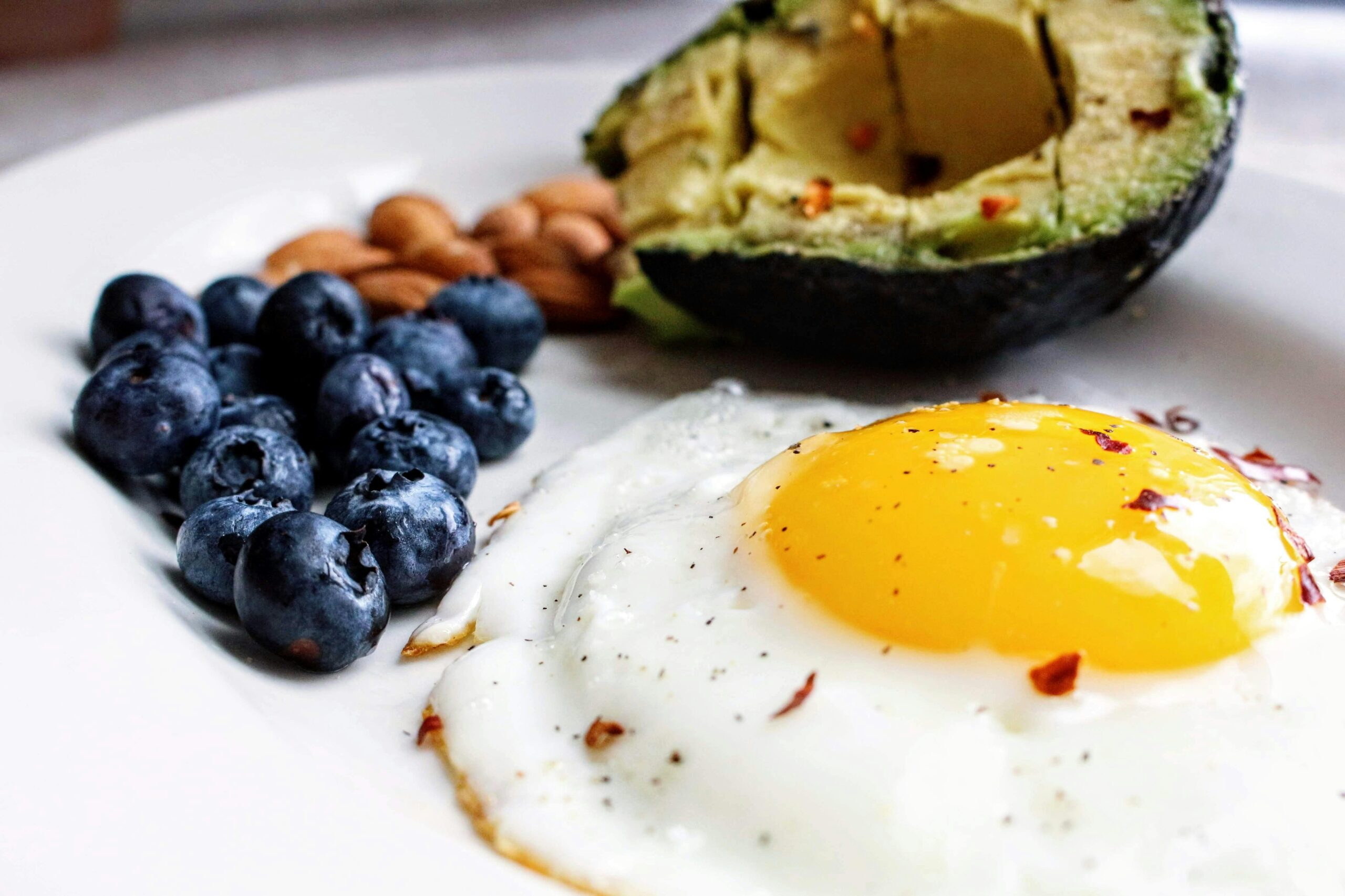
The Flavor-First Philosophy: Your New Cooking Mindset 🎯
Ultimately, successful low-salt cooking requires a mindset shift from salt-dependent to flavor-focused. Rather than viewing reduced sodium as limitation, embrace it as an opportunity to become a more skilled, creative cook. You’ll discover subtle flavors previously masked by excessive salt. You’ll develop technique and intuition that elevate every dish.
Start with one meal or one recipe, master the techniques, then gradually expand your repertoire. Be patient with yourself during the adjustment period. Experiment boldly with herbs, spices, and aromatics you’ve never tried. Taste frequently and adjust thoughtfully. Share your successes with others and inspire them to prioritize both health and flavor.
The transformation from salt-dependent to flavor-focused cooking is deeply rewarding. Your meals become more interesting, your cooking skills strengthen, and your health benefits significantly. Most importantly, you prove that nutritious eating never requires sacrificing the joy and satisfaction that delicious food brings to life. Your taste buds, your body, and everyone you cook for will thank you for making this worthwhile change.