Reducing sodium doesn’t mean sacrificing taste. With the right strategies and ingredients, you can create flavorful, satisfying meals that support your health while delighting your palate every single day.

The journey to low-sodium cooking begins with understanding how salt functions in our food and discovering the incredible alternatives available. Many home cooks worry that cutting back on sodium will result in bland, uninspiring dishes, but this couldn’t be further from the truth. Armed with fresh herbs, aromatic spices, and smart cooking techniques, you’ll unlock a world of vibrant flavors that make salt seem one-dimensional by comparison.
🧂 Understanding Sodium and Why It Matters
Sodium plays an essential role in our body’s fluid balance, nerve transmission, and muscle function. However, most people consume far more than the recommended 2,300 milligrams per day—roughly one teaspoon of salt. Excessive sodium intake has been linked to high blood pressure, heart disease, stroke, and kidney problems.
The real culprit isn’t usually the salt shaker on your table. Approximately 70% of dietary sodium comes from processed and restaurant foods. This is why home cooking gives you tremendous power to control your sodium intake while still enjoying delicious meals. When you prepare food yourself, you decide exactly what goes into every dish.
Many people have adapted their taste buds to expect high levels of salt in everything they eat. The good news is that taste preferences are adaptable. Within just a few weeks of reducing sodium, your palate begins to recalibrate, allowing you to appreciate subtle flavors you might have missed before.
🌿 Building Your Low-Sodium Flavor Arsenal
The secret to successful low-sodium cooking lies in having the right ingredients at your fingertips. Fresh and dried herbs form the foundation of flavor-packed meals without adding a single milligram of sodium.
Essential Herbs and Spices
Stock your pantry with basil, oregano, thyme, rosemary, cilantro, parsley, dill, and mint. These aromatic powerhouses transform simple ingredients into restaurant-quality dishes. Dried spices like cumin, coriander, paprika, turmeric, cinnamon, and black pepper add depth and complexity to everything from proteins to vegetables.
Consider creating your own salt-free spice blends. Mix garlic powder, onion powder, paprika, dried herbs, and a pinch of cayenne for an all-purpose seasoning. An Italian blend might include basil, oregano, thyme, and rosemary. Mexican-inspired combinations feature cumin, chili powder, oregano, and garlic.
Acidic Elements That Brighten Dishes
Citrus juices and zests, vinegars, and wine add brightness that can make you forget about salt entirely. Lemon juice squeezed over roasted vegetables, balsamic vinegar drizzled on strawberries, or lime zest in fish marinades create flavor explosions that salt alone could never achieve.
Keep several types of vinegar on hand: balsamic for sweetness, red wine vinegar for tang, apple cider vinegar for depth, and rice vinegar for delicate Asian dishes. Each brings its own personality to your cooking.
🛒 Smart Shopping Strategies for Low-Sodium Living
Your low-sodium journey succeeds or fails in the grocery store. Learning to read labels critically and choose the right products makes home cooking infinitely easier.
Decoding Nutrition Labels
Always check the sodium content per serving, not just per package. A product listing 400 milligrams of sodium might seem reasonable until you realize the package contains three servings. Compare similar products—you’ll often find significant variations in sodium content between brands.
Watch for sneaky sodium sources hiding in unexpected places. Bread, breakfast cereals, cottage cheese, canned vegetables, and condiments can harbor surprisingly high amounts. Look for products labeled “no salt added,” “low sodium” (140mg or less per serving), or “reduced sodium” (at least 25% less than the original).
Fresh is Best
Prioritize fresh, whole foods whenever possible. Fresh vegetables, fruits, whole grains, lean meats, and fish naturally contain minimal sodium. Building meals around these ingredients gives you maximum control over your sodium intake.
When buying canned goods, choose no-salt-added versions of tomatoes, beans, and vegetables. If unavailable, rinse regular canned beans and vegetables under running water to remove up to 40% of the sodium.
🍳 Cooking Techniques That Maximize Flavor
How you cook your food matters as much as what ingredients you use. Certain cooking methods naturally concentrate and enhance flavors, reducing your need for added salt.
Roasting and Caramelization
Roasting vegetables at high temperatures caramelizes their natural sugars, creating deep, complex flavors. Toss Brussels sprouts, carrots, or cauliflower with olive oil, garlic, and herbs, then roast at 425°F until golden and slightly charred. The resulting sweetness and nuttiness require no salt to shine.
The same principle applies to proteins. A perfectly seared chicken breast or steak develops a flavorful crust through the Maillard reaction—a chemical process that creates hundreds of flavor compounds without any sodium.
Layering Flavors Throughout Cooking
Professional chefs build flavor in layers rather than adding everything at once. Start by sautéing aromatics like onions, garlic, ginger, or shallots in a small amount of oil. Add spices to toast them briefly, releasing their essential oils. Deglaze the pan with wine, broth, or citrus juice to capture all those flavorful browned bits.
This technique creates depth that makes dishes taste like they’ve simmered for hours, even when they come together quickly on a weeknight.
📝 Your Essential Low-Sodium Kitchen Checklist
Having the right tools and ingredients makes low-sodium cooking effortless. Use this comprehensive checklist to set yourself up for success.
Pantry Staples
- No-salt-added canned tomatoes (diced, crushed, and whole)
- Low-sodium or no-salt-added broths and stocks
- Dried beans and lentils
- Whole grains: brown rice, quinoa, farro, bulgur
- Nuts and seeds (unsalted): almonds, walnuts, pumpkin seeds, sunflower seeds
- Nut butters (no salt added)
- Oils: extra virgin olive oil, avocado oil, sesame oil
- Honey, maple syrup, and other natural sweeteners
Spice Cabinet
- Garlic powder and onion powder (not garlic salt or onion salt)
- Black pepper, white pepper, and peppercorn medleys
- Paprika (sweet, smoked, and hot)
- Cumin, coriander, and turmeric
- Chili powder and cayenne pepper
- Cinnamon, nutmeg, and cardamom
- Dried herbs: basil, oregano, thyme, rosemary, dill, parsley
- Vanilla extract (pure, not imitation)
Refrigerator Essentials
- Fresh herbs: basil, cilantro, parsley, dill, mint
- Fresh ginger and garlic
- Lemons, limes, and oranges
- Low-sodium or sodium-free condiments
- Unsalted butter
- Plain Greek yogurt (excellent for creamy sauces)
- Dijon mustard (lower sodium than many other condiments)
Flavor Enhancers
- Multiple vinegars: balsamic, red wine, apple cider, rice, sherry
- Hot sauces (check labels—some are lower in sodium)
- Nutritional yeast (adds cheesy, umami flavor)
- Miso paste (use sparingly—still contains sodium but provides intense umami)
- Tomato paste (no salt added)
- Worcestershire sauce (low-sodium version)
🍽️ Meal Planning for Low-Sodium Success
Consistent low-sodium eating becomes much easier with a bit of planning. Dedicating an hour each week to meal prep pays dividends in time saved and health gained.
Weekly Planning Strategy
Start by planning your dinners for the week. Choose recipes that share ingredients to minimize waste and shopping time. Prepare components in advance: chop vegetables, cook grains, marinate proteins, and make sauces or dressings on your prep day.
Batch cooking soups, stews, and casseroles allows you to freeze portions for busy weeks ahead. These dishes often taste even better after their flavors have melded together in the freezer.
Quick Low-Sodium Meal Ideas
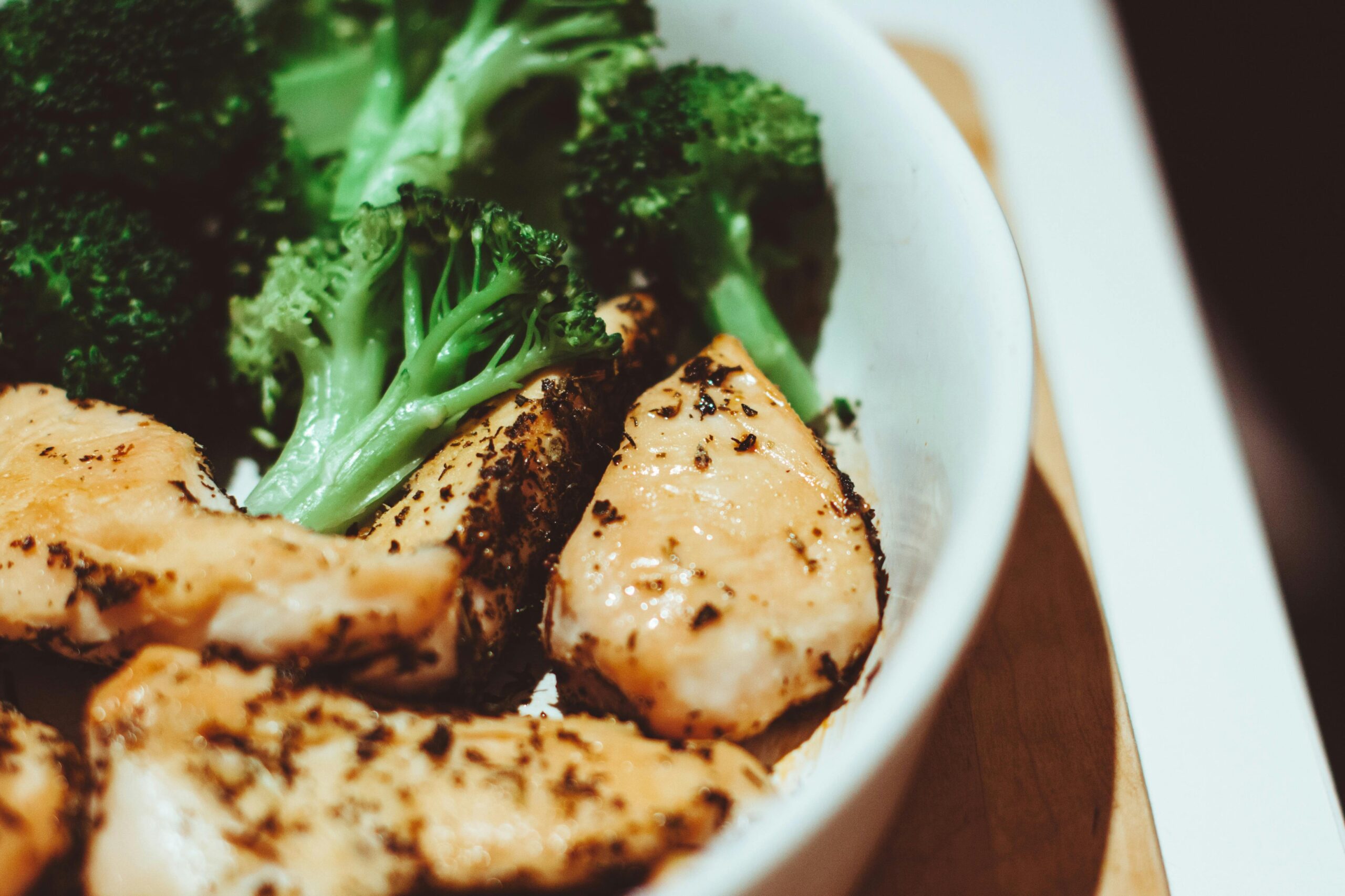
Keep a rotation of simple, satisfying meals that come together in 30 minutes or less. A sheet pan dinner with salmon, asparagus, and cherry tomatoes seasoned with lemon, garlic, and dill requires minimal effort. Stir-fried vegetables with tofu or chicken over brown rice delivers on flavor and nutrition.
Breakfast can be overnight oats with fresh fruit and nuts, or veggie-packed omelets. Lunches might include grain bowls with roasted vegetables and a tahini dressing, or hearty salads with grilled chicken and homemade vinaigrette.
🥗 Sauces and Dressings That Deliver
Store-bought sauces and dressings rank among the highest sodium offenders in the typical diet. Making your own takes just minutes and transforms your meals while keeping sodium in check.
Five-Minute Homemade Dressings
A basic vinaigrette requires only oil, vinegar, Dijon mustard, and your choice of herbs. Blend together 3 parts oil to 1 part vinegar, add a teaspoon of mustard, minced garlic, and fresh herbs. This formula adapts endlessly: use different vinegars, add citrus juice, incorporate honey for sweetness, or blend in fresh herbs.
For creamy dressings, Greek yogurt or avocado creates luxurious texture without heavy cream. A ranch-style dressing combines yogurt, garlic powder, onion powder, dill, and a splash of lemon juice. Blend avocado with lime juice, cilantro, and a touch of cumin for a creamy southwest dressing.
Flavorful Sauce Foundations
Tomato-based sauces start with sautéed garlic and onions, no-salt-added tomatoes, and Italian herbs. Simmer until thickened and the flavors concentrate. Pan sauces utilize the fond (browned bits) left after cooking proteins—deglaze with wine or broth, add herbs, and finish with a small pat of butter.
Asian-inspired sauces can be tricky due to soy sauce’s high sodium content. Use low-sodium soy sauce sparingly, or substitute with coconut aminos, which contain about 90% less sodium. Balance with rice vinegar, fresh ginger, garlic, and a touch of honey.
💡 Restaurant-Style Dishes at Home
You don’t need to avoid your favorite restaurant dishes—you just need to recreate them at home with better-for-you ingredients.
Italian Classics Reimagined
Make your own pizza using homemade or low-sodium dough, no-salt-added tomato sauce seasoned with garlic and basil, fresh mozzarella, and loads of vegetables. The result rivals any pizzeria without the sodium overload.
Pasta dishes shine with simple preparations: olive oil, garlic, red pepper flakes, fresh herbs, and roasted vegetables. Finish with a sprinkle of Parmesan cheese (use real, good-quality cheese—a little goes a long way in flavor).
Asian Takeout Alternatives
Fried rice becomes a healthy staple when you use day-old brown rice, plenty of vegetables, scrambled eggs, and minimal low-sodium soy sauce balanced with rice vinegar and sesame oil. Stir-fries cook quickly in a hot pan with fresh ginger, garlic, your choice of protein, and crisp vegetables finished with a light sauce.
🎯 Overcoming Common Low-Sodium Challenges
Even with the best intentions, certain situations test your commitment to low-sodium eating. Preparation and flexibility help you navigate these obstacles.
Dining Out and Social Situations
When eating at restaurants, don’t hesitate to make special requests. Ask for sauces and dressings on the side, request that your meal be prepared without added salt, and choose grilled or roasted preparations over fried. Many restaurants accommodate dietary needs happily when asked politely.
At social gatherings, offer to bring a dish so you know there’s something you can eat. Focus on fresh vegetable platters, fruit salads, or homemade dips and spreads.
Family Buy-In
Getting your household on board makes low-sodium cooking sustainable. Involve family members in meal planning and preparation. Let them choose recipes and experiment with new flavors. Most people adjust to lower sodium levels quickly and begin to prefer the cleaner, brighter flavors.
If family members resist, keep a salt shaker on the table for them to add to their individual portions after cooking, while you keep your serving unsalted.
🌟 Celebrating Your Low-Sodium Success
Transitioning to low-sodium cooking represents a significant commitment to your health and wellbeing. As your palate adjusts, you’ll discover subtleties in food that you never noticed before—the natural sweetness of carrots, the peppery bite of arugula, the complex earthiness of mushrooms.
Track your progress not just in reduced sodium intake, but in how you feel. Many people report more energy, reduced bloating, better sleep, and improved overall health within weeks of cutting back on sodium. Your taste buds will thank you, and your body will thrive.
Remember that perfection isn’t the goal—progress is. Some days will be easier than others, and that’s completely normal. Every low-sodium meal you prepare is an investment in your long-term health and happiness. With the strategies, ingredients, and techniques outlined in this checklist, you’re fully equipped to create delicious, satisfying meals that nourish your body while exciting your taste buds. The world of low-sodium cooking is vast, varied, and incredibly flavorful—so get in the kitchen and start exploring!