
Italian cuisine is more than just food—it’s a celebration of culture, tradition, and passion that has captivated taste buds worldwide for generations.

From the rustic hills of Tuscany to the vibrant streets of Naples, Italy’s culinary landscape offers an extraordinary array of dishes that transform simple ingredients into unforgettable experiences. Whether you’re planning an intimate dinner, a festive gathering, or simply craving authentic flavors, Italian recipes provide endless possibilities to delight your senses and bring people together around the table.
🍝 The Timeless Appeal of Italian Cooking
Italian cooking stands as one of the world’s most beloved culinary traditions, renowned for its emphasis on fresh, quality ingredients and straightforward preparation methods. The philosophy behind Italian cuisine centers on respecting the natural flavors of each component rather than masking them with heavy sauces or complicated techniques.
What makes Italian recipes truly special is their versatility and accessibility. Whether you’re a novice cook or an experienced chef, Italian dishes offer something for everyone. The beauty lies in the simplicity—tomatoes, olive oil, garlic, fresh herbs, and pasta form the foundation of countless memorable meals.
This approach to cooking has made Italian food a staple in households across the globe. The recipes have been passed down through generations, each family adding their own twist while maintaining the essential character that defines authentic Italian cuisine.
Classic Pasta Dishes That Define Italian Excellence 🍴
Pasta remains the cornerstone of Italian cooking, with each region boasting its own signature preparations. These dishes showcase how simple ingredients, when combined with care and technique, create extraordinary results.
Carbonara: The Roman Masterpiece
Authentic Carbonara exemplifies Italian minimalism at its finest. This Roman specialty combines only five ingredients: pasta (traditionally spaghetti or rigatoni), guanciale (cured pork jowl), eggs, Pecorino Romano cheese, and black pepper. The magic happens when hot pasta is tossed with the egg and cheese mixture, creating a silky, creamy sauce without any cream.
The key to perfect Carbonara lies in temperature control. The eggs must coat the pasta without scrambling, achieving that signature glossy texture that clings to every strand. This dish represents the soul of Italian cooking—maximum flavor from minimal ingredients.
Amatriciana: Bold and Beautiful
Hailing from the town of Amatrice, this pasta sauce combines tomatoes, guanciale, Pecorino cheese, and a hint of chili pepper for a balanced dish that’s both comforting and exciting. The rendered fat from the guanciale blends with tomatoes to create a sauce that’s rich without being heavy.
Cacio e Pepe: Three-Ingredient Perfection
Perhaps the ultimate test of an Italian cook’s skill, Cacio e Pepe uses only pasta, Pecorino Romano cheese, and black pepper. Creating the perfect creamy consistency requires technique and patience, as the starchy pasta water emulsifies with the cheese to form a velvety coating.
🍕 Pizza: Italy’s Greatest Gift to the World
While pizza has become a global phenomenon, authentic Italian pizza remains in a category of its own. The traditional Neapolitan pizza, recognized by UNESCO as part of Italy’s cultural heritage, follows strict guidelines regarding dough preparation, ingredients, and cooking methods.
The foundation of exceptional pizza starts with the dough. Italian pizza dough typically uses just four ingredients: flour, water, salt, and yeast. The dough undergoes a long fermentation process, developing complex flavors and creating that characteristic chewy yet airy texture.
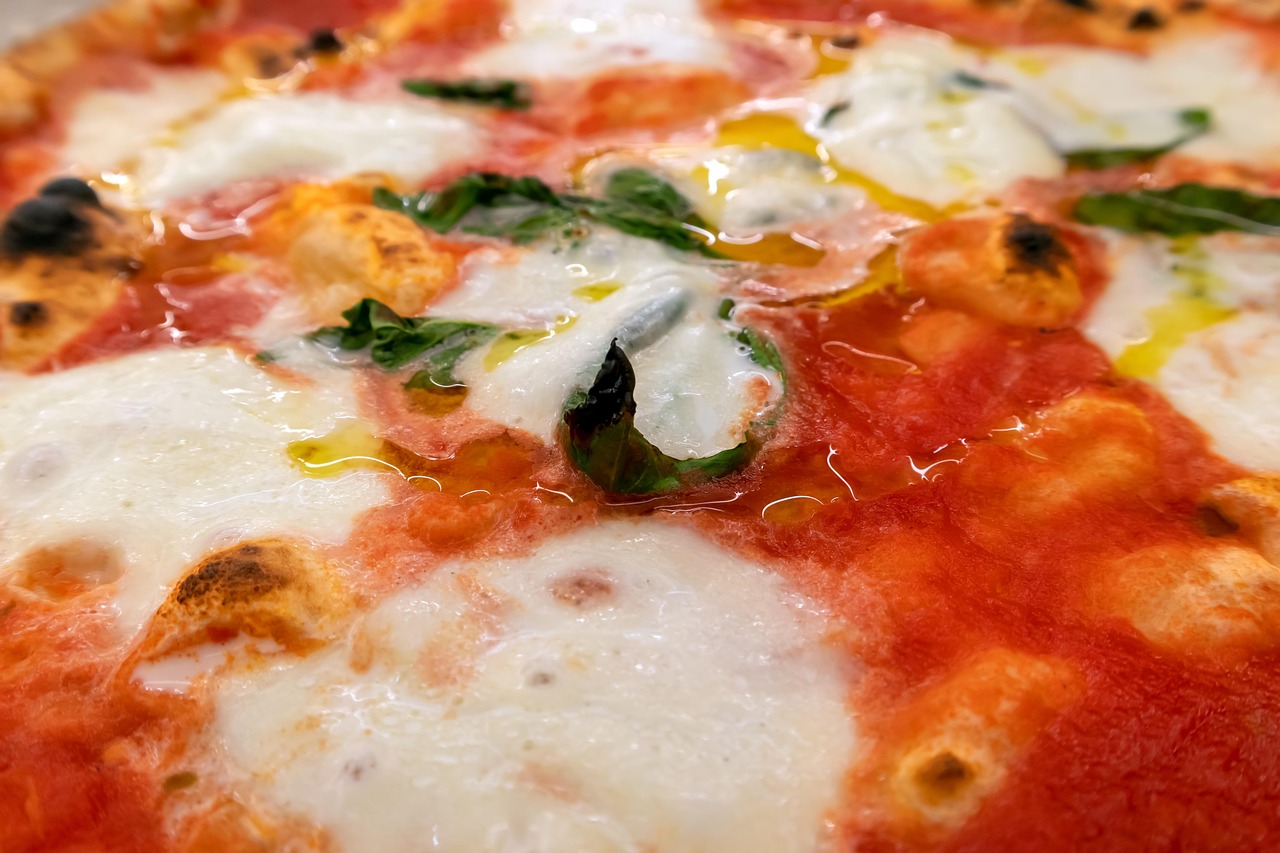
Classic varieties include Margherita, featuring tomato sauce, mozzarella, fresh basil, and olive oil—a tribute to the Italian flag. The Marinara showcases an even simpler approach with tomato, garlic, oregano, and olive oil, proving that pizza doesn’t need cheese to be spectacular.
Risotto: Creamy Comfort in Every Spoonful 🥄
Risotto represents Northern Italian cuisine at its most elegant. This rice dish requires attention and technique, as the Arborio or Carnaroli rice is gradually cooked with broth, creating a creamy consistency through the release of starches.
The basic Risotto alla Milanese incorporates saffron, giving the dish its distinctive golden color and subtle flavor. Other popular variations include mushroom risotto, featuring porcini for earthy depth, and seafood risotto, common in coastal regions.
Success with risotto depends on constant stirring and adding warm broth gradually, allowing each addition to be absorbed before adding more. The final dish should be all’onda—flowing like waves when the pan is shaken—neither too thick nor too soupy.
🥗 Antipasti: Starting Your Italian Journey Right
The antipasto course sets the tone for an Italian meal, offering a variety of flavors and textures that awaken the palate. These appetizers range from simple to elaborate, always emphasizing quality ingredients.
Bruschetta: The Perfect Beginning
Grilled bread rubbed with garlic and topped with fresh tomatoes, basil, and olive oil represents the quintessential Italian starter. The contrast between crunchy bread and juicy tomatoes creates a textural symphony that’s irresistibly satisfying.
Caprese Salad: Summer on a Plate
This elegant arrangement of fresh mozzarella, ripe tomatoes, and basil leaves, drizzled with quality extra virgin olive oil, captures the essence of Italian simplicity. The colors mirror the Italian flag while the flavors celebrate peak summer produce.
Prosciutto and Melon
The combination of salty, paper-thin prosciutto wrapped around sweet, juicy melon demonstrates Italian genius for pairing contrasting flavors. This classic antipasto requires no cooking—just premium ingredients.
Secondi: Main Courses That Satisfy and Impress 🍖
Italian main courses showcase the country’s diverse culinary landscape, from meat dishes in the north to seafood along the extensive coastline.
Osso Buco: Milanese Luxury
This braised veal shank dish from Milan features meat so tender it falls off the bone, served with a gremolata of lemon zest, garlic, and parsley. Traditionally paired with saffron risotto, Osso Buco represents Italian cooking at its most refined.
Chicken Cacciatore: Hunter’s Style Comfort
This rustic dish simmers chicken with tomatoes, herbs, and vegetables, creating a hearty meal perfect for family gatherings. The name “cacciatore” means hunter, referencing the dish’s origins as a way to prepare freshly caught game.
Saltimbocca alla Romana
Meaning “jump in the mouth,” this Roman specialty layers veal with prosciutto and sage, creating an explosion of complementary flavors. The quick cooking method keeps the meat tender while the sage infuses everything with aromatic essence.
🍰 Dolci: Sweet Endings to Remember
Italian desserts range from simple cookies to elaborate cream-filled pastries, each region maintaining its own specialties and traditions.
Tiramisu: The Ultimate Italian Dessert
This coffee-flavored dessert layers espresso-soaked ladyfinger cookies with mascarpone cream, creating a balance of bitter and sweet that’s become internationally beloved. The name means “pick me up,” referencing both the caffeine content and the uplifting experience of eating it.
Panna Cotta: Silky Simplicity
This Northern Italian dessert features sweetened cream thickened with gelatin and flavored with vanilla. Its wobbling texture and delicate sweetness make it an elegant conclusion to any meal, often served with berry coulis or caramel sauce.
Cannoli: Sicilian Treasure
These crispy pastry tubes filled with sweet ricotta cream and often studded with chocolate chips or candied fruit represent Sicilian pastry artistry. The contrast between crunchy shell and creamy filling makes every bite a textural delight.
Regional Specialties Worth Exploring 🗺️
Italy’s regional diversity means that traveling from north to south reveals entirely different culinary traditions, each reflecting local ingredients and historical influences.
In Emilia-Romagna, fresh egg pasta reigns supreme, giving us tagliatelle, tortellini, and lasagna. The region also produces Parmigiano-Reggiano cheese and traditional balsamic vinegar from Modena.
Sicily’s cuisine shows Arab, Spanish, and Greek influences, featuring dishes like caponata (sweet and sour eggplant), arancini (stuffed rice balls), and pasta con le sarde (pasta with sardines, fennel, and pine nuts).
Liguria offers pesto Genovese, made with basil, pine nuts, garlic, Parmigiano-Reggiano, and olive oil—a sauce so perfect it has remained unchanged for centuries. The coastal region also specializes in focaccia and seafood preparations.
Essential Ingredients for Your Italian Pantry 🏺
Building an authentic Italian pantry starts with quality staples that form the foundation of countless recipes. Investing in proper ingredients makes an enormous difference in final results.
- Extra Virgin Olive Oil: Choose quality EVOO for both cooking and finishing dishes—the flavor transforms everything it touches.
- San Marzano Tomatoes: These DOP-certified tomatoes from the Campania region provide unmatched sweetness and low acidity for sauces.
- Parmigiano-Reggiano: Aged at least 12 months, this cheese adds umami depth and salty complexity to numerous dishes.
- Dried Pasta: Keep various shapes on hand—each designed to work with specific sauce styles.
- Arborio or Carnaroli Rice: Essential for achieving creamy risotto with the proper texture.
- Fresh Herbs: Basil, oregano, rosemary, and sage bring authentic Italian flavors to your cooking.
- Garlic: A fundamental aromatic base for countless Italian preparations.
- Anchovies: These provide savory depth without fishiness when properly incorporated into sauces.
Mastering Italian Cooking Techniques ✨
Understanding core Italian cooking methods elevates your dishes from good to exceptional. These techniques have been refined over centuries and remain relevant today.
The soffritto forms the flavor base for many Italian dishes, consisting of finely chopped onions, celery, and carrots gently sautéed in olive oil until soft and sweet. This aromatic foundation provides depth to sauces, soups, and braises.
Properly salting pasta water is crucial—it should taste like the sea. This seasons the pasta from within, creating better flavor than adding salt later. Italians also reserve pasta cooking water to adjust sauce consistency and help it cling to the pasta.
The technique of mantecatura involves vigorously stirring pasta with sauce off the heat, adding reserved pasta water and sometimes butter or cheese. This creates an emulsified sauce that coats every strand perfectly rather than pooling at the bottom of the bowl.
🍷 Pairing Italian Food with Wine
Italian cuisine and wine evolved together over millennia, creating natural pairings that enhance both food and drink. The general principle follows regional matching—wines from a specific area complement dishes from that same region.
Light, acidic white wines like Pinot Grigio work beautifully with seafood pasta and delicate risottos. The wine’s crispness cuts through richness while complementing subtle flavors.
Medium-bodied reds such as Chianti pair wonderfully with tomato-based pasta dishes and pizza. The wine’s acidity matches the tomatoes while its tannins stand up to cheese and cured meats.
Bold reds like Barolo or Brunello di Montalcino complement hearty meat dishes, braises, and aged cheeses. These powerful wines need equally robust foods to balance their structure and complexity.
Planning Your Italian Menu for Different Occasions 🎉
Italian cuisine adapts beautifully to various settings, from casual weeknight dinners to elaborate celebrations. The key is matching the menu’s complexity to your available time and the occasion’s formality.
For a simple weeknight meal, focus on a single course with excellent ingredients. A well-made Cacio e Pepe or Aglio e Olio can satisfy completely without requiring multiple dishes. Add a simple salad and you have a perfect meal.
Weekend gatherings allow more ambitious menus. Start with antipasti, followed by a pasta course, then a meat or fish secondo with vegetables, and finish with dessert. This traditional Italian meal structure provides variety and pacing.
For special celebrations, consider a feast featuring regional specialties. A Sicilian menu might include arancini, pasta alla Norma, grilled swordfish, and cannoli. A Northern menu could feature vitello tonnato, risotto, osso buco, and panna cotta.
The Social Heart of Italian Dining 💚
Italian food culture extends beyond recipes and techniques to embrace the philosophy of sharing meals with loved ones. The Italian table represents a place where family and friends gather, where conversations flow as freely as the wine, and where time slows down to savor both food and company.
This approach to dining teaches us that cooking Italian food means more than following recipes—it means creating experiences and memories. The Italian concept of “fare la scarpetta” (making the little shoe), using bread to soak up every last bit of sauce, symbolizes appreciation for the meal and reluctance to let the experience end.
When you prepare Italian recipes, you’re participating in a living tradition that values quality over quantity, technique over trends, and togetherness over haste. Each dish carries stories of the people who perfected it over generations.
Bringing Italy to Your Kitchen Today 🇮🇹
Starting your Italian cooking journey doesn’t require expensive equipment or rare ingredients. Begin with simple recipes that build your confidence and technique. A perfectly executed Aglio e Olio teaches oil emulsification, garlic timing, and pasta water usage—fundamental skills applicable to countless dishes.
As you progress, expand your repertoire gradually. Master basic tomato sauce before attempting complex ragù. Perfect simple risotto before tackling variations with multiple ingredients. This methodical approach builds a solid foundation.
Don’t fear making mistakes—even Italian nonnas had to learn. Each attempt teaches something valuable about timing, seasoning, or technique. Italian cooking rewards persistence and attention with increasingly delicious results.
The ultimate collection of Italian recipes offers endless exploration opportunities. From quick weeknight pastas to elaborate holiday feasts, from rustic country dishes to refined restaurant preparations, Italian cuisine provides a lifetime of culinary adventure. By embracing these recipes and the philosophy behind them, you bring the warmth, flavor, and joy of Italy into your own home, creating meals that nourish both body and soul while building connections with those around your table.