Asian cuisine has captivated food lovers worldwide with its bold flavors, aromatic spices, and diverse cooking techniques that transform simple ingredients into extraordinary dishes.

The journey into Asian-inspired home cooking opens a world of culinary possibilities, where traditional recipes meet modern convenience. From the fragrant curries of Thailand to the delicate sushi rolls of Japan, mastering these flavors allows you to recreate restaurant-quality meals in your own kitchen. The beauty of Asian cooking lies not just in its taste but in the balance of textures, colors, and nutritional benefits that make every meal a complete sensory experience.
🌏 Understanding the Foundation of Asian Flavors
The essence of Asian cooking revolves around achieving perfect harmony between five fundamental taste elements: sweet, sour, salty, bitter, and umami. This balance creates the distinctive profiles that make Asian dishes so memorable and craveable. Unlike Western cuisine that often focuses on a single dominant flavor, Asian cooking celebrates the interplay of contrasting tastes within a single dish.
The foundation begins with understanding key ingredients that appear across various Asian cuisines. Soy sauce, fish sauce, rice vinegar, sesame oil, and mirin form the backbone of countless recipes. Fresh aromatics like ginger, garlic, lemongrass, and chili peppers provide the aromatic base that defines regional variations. Learning to stock your pantry with these essentials is the first step toward mastering Asian-inspired cooking at home.
Essential Pantry Staples for Your Asian Kitchen
Building a well-stocked Asian pantry ensures you’re always ready to create authentic flavors. Rice varieties including jasmine, basmati, and short-grain rice serve as the foundation for countless meals. Dried noodles in various forms—rice noodles, soba, udon, and ramen—offer versatility for quick meals and elaborate preparations alike.
Spices and seasonings deserve special attention. Five-spice powder, curry pastes in red, green, and yellow varieties, Szechuan peppercorns, and star anise add complexity to dishes. Condiments like hoisin sauce, oyster sauce, chili garlic sauce, and tamarind paste provide finishing touches that elevate ordinary meals to extraordinary experiences.
🍜 Mastering Japanese-Inspired Home Cooking
Japanese cuisine emphasizes simplicity, seasonality, and presentation. The minimalist approach doesn’t mean lack of flavor but rather celebration of each ingredient’s natural taste. Home cooks can easily adapt Japanese techniques to create impressive meals that look as beautiful as they taste.
Start with basic dashi stock, the foundational broth made from kombu seaweed and bonito flakes. This umami-rich liquid forms the base for miso soup, noodle broths, and countless other dishes. Making dashi from scratch takes mere minutes and delivers incomparable depth of flavor compared to instant alternatives.
Irresistible Japanese Recipes to Try
Teriyaki chicken represents one of the most accessible entry points into Japanese cooking. The glossy sauce combines soy sauce, mirin, sake, and sugar to create that signature sweet-savory glaze. Marinate chicken thighs for 30 minutes, then pan-fry until caramelized and serve over steamed rice with stir-fried vegetables.
Ramen bowls have taken the culinary world by storm, and homemade versions surpass restaurant offerings when you control ingredient quality. Build your bowl with rich pork or chicken broth, perfectly cooked noodles, soft-boiled eggs marinated in soy sauce, chashu pork, bamboo shoots, and green onions. The layering of flavors and textures creates an immersive eating experience.
Donburi bowls offer another simple yet satisfying option. These one-bowl meals feature protein and vegetables served over rice, often with a flavorful sauce. Try gyudon with thinly sliced beef simmered in sweet soy broth, or oyakodon featuring chicken and eggs in a savory-sweet sauce.
🌶️ Exploring the Bold Flavors of Thai Cuisine
Thai cooking balances sweet, sour, salty, and spicy elements within every dish, creating explosive flavor combinations that dance on the palate. The cuisine’s accessibility makes it perfect for home cooks wanting to experiment with bold tastes without extensive training or specialized equipment.
Fresh herbs play a starring role in Thai cooking. Thai basil, cilantro, mint, and kaffir lime leaves provide aromatic complexity that distinguishes Thai dishes from other Asian cuisines. While some ingredients may require visits to Asian markets, the effort rewards you with authentic flavors impossible to replicate with substitutions.
Must-Try Thai Dishes for Home Cooks
Pad Thai remains the gateway recipe for many aspiring Thai home cooks. This stir-fried noodle dish combines rice noodles with eggs, tofu or shrimp, bean sprouts, peanuts, and a tangy-sweet sauce made from tamarind, fish sauce, and palm sugar. The key lies in high heat and quick cooking to achieve that characteristic wok hei flavor.
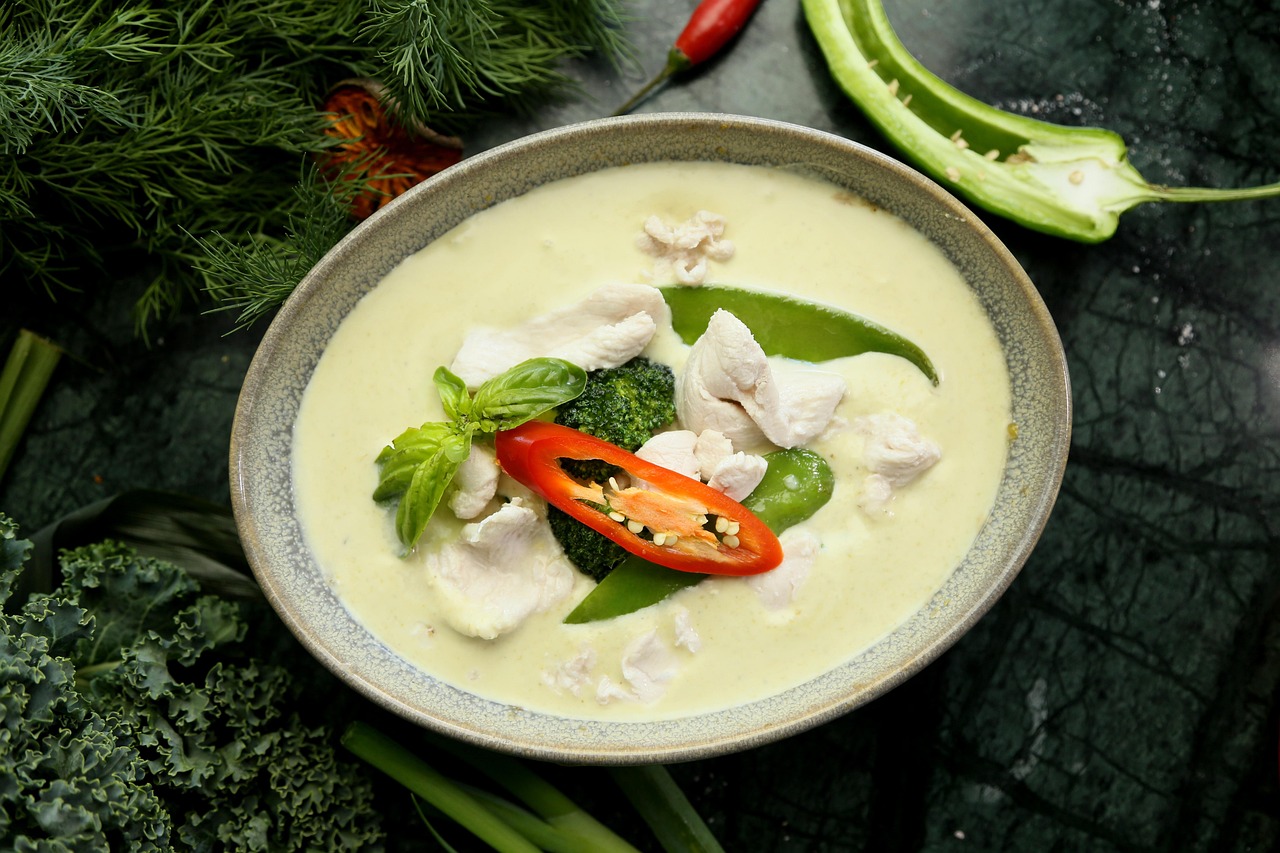
Green curry showcases Thai cuisine’s aromatic complexity. Homemade curry paste requires effort but delivers unmatched flavor. Blend together green chilies, lemongrass, galangal, shallots, garlic, cilantro roots, cumin, and shrimp paste. Simmer this paste with coconut milk, vegetables, and protein for a curry that outshines any restaurant version.
Tom Yum soup demonstrates how Thai cooking achieves perfect balance. The hot and sour soup features lemongrass, galangal, kaffir lime leaves, fish sauce, lime juice, and chilies creating layers of flavor. Add shrimp or chicken, mushrooms, and tomatoes for a complete meal that’s both comforting and invigorating.
🥟 Diving into Chinese Culinary Traditions
Chinese cuisine’s vast regional diversity offers endless exploration opportunities for home cooks. From the spicy dishes of Szechuan to the delicate dim sum of Cantonese cooking, each region brings unique techniques and flavor profiles that have influenced Asian cooking worldwide.
Wok cooking represents the heart of Chinese home cooking. This versatile pan allows for stir-frying, steaming, deep-frying, and braising. The high heat and curved shape create optimal conditions for quick cooking that seals in flavors and maintains vegetable crispness. Mastering wok techniques opens doors to countless Chinese dishes.
Classic Chinese Recipes for Your Home Kitchen
Kung Pao chicken exemplifies Szechuan cuisine’s bold approach to flavor. The dish combines diced chicken with peanuts, dried chilies, and Szechuan peppercorns in a savory-sweet sauce. The numbing sensation from Szechuan peppercorns adds unique complexity that sets this dish apart from other stir-fries.
Mapo tofu delivers intense flavor despite its simple ingredient list. Soft tofu cubes simmer in a sauce made from fermented bean paste, ground pork, garlic, ginger, and chili oil. The silky tofu contrasts beautifully with the spicy, numbing sauce, creating a dish that’s both comforting and exciting.
Dumplings offer an engaging cooking project that yields impressive results. Make your own wrappers from flour and water, then fill with mixtures of pork, cabbage, ginger, and garlic. Whether steamed, pan-fried, or boiled, homemade dumplings taste infinitely better than store-bought versions and provide a fun activity for family cooking sessions.
🍛 Embracing the Aromatic World of Indian-Inspired Cooking
Indian cuisine’s complex spice blends and rich sauces might seem intimidating, but home cooks can master these flavors with proper guidance. The cuisine’s emphasis on layering spices creates depth that develops throughout cooking, resulting in dishes that taste even better the next day.
Understanding spice blooming transforms your Indian cooking. Heating whole spices in oil or ghee releases their essential oils, intensifying flavors and aromas. This fundamental technique applies across countless Indian recipes and makes the difference between flat-tasting and restaurant-quality results.
Delicious Indian Dishes to Master at Home
Butter chicken represents India’s most beloved export to home kitchens worldwide. Marinated chicken pieces cook in a tomato-based cream sauce enriched with butter, garam masala, and kasuri methi. The mild heat and creamy texture make this dish approachable for those new to Indian flavors while remaining satisfying for experienced enthusiasts.
Chana masala showcases how vegetarian Indian dishes deliver complete satisfaction without meat. Chickpeas simmer in a spiced tomato sauce featuring cumin, coriander, turmeric, and garam masala. This protein-rich dish pairs perfectly with rice or naan bread and improves with time as flavors meld together.
Biryani combines rice cooking with complex spice layering to create a one-pot feast. Layer partially cooked basmati rice with marinated meat or vegetables, fried onions, saffron milk, and fresh herbs. Seal the pot and cook slowly, allowing steam to finish the cooking while flavors infuse throughout the dish.
🥢 Essential Cooking Techniques for Asian Cuisine Success
Mastering fundamental Asian cooking techniques elevates your dishes from good to exceptional. Stir-frying requires high heat, constant movement, and proper ingredient preparation. Cut all ingredients uniformly to ensure even cooking, and have everything ready before heating your wok since cooking happens quickly.
Steaming preserves nutrients while maintaining ingredient integrity. Bamboo steamers allow you to cook multiple items simultaneously while infusing subtle flavor. This gentle cooking method works perfectly for dumplings, fish, vegetables, and rice cakes without added fat.
Knife Skills That Make a Difference
Asian cooking demands precise knife work for both aesthetic and practical reasons. Julienne cuts, fine minces, and paper-thin slices affect cooking time and flavor absorption. Invest time in practicing your knife skills, and you’ll notice dramatic improvements in your final dishes.
The diagonal cut used for vegetables creates more surface area for seasoning absorption while maintaining attractive presentation. This technique works particularly well for bok choy, carrots, and green onions. Practicing consistent sizing ensures all pieces cook evenly, preventing some ingredients from burning while others remain raw.
🍲 Creating Complete Asian-Inspired Meals
Asian meal planning differs from Western approaches by emphasizing variety and balance. Rather than a single large protein with sides, Asian meals typically feature multiple dishes served family-style, allowing diners to sample various flavors and textures throughout the meal.
A balanced Asian meal includes a protein dish, vegetable preparation, soup, rice or noodles, and often a salad or pickle for contrast. This variety ensures nutritional balance while keeping meals interesting. Each component doesn’t need complexity; simplicity in individual dishes allows the overall meal to shine.
Weekly Menu Planning for Asian Home Cooking
Planning your week around Asian flavors maintains excitement while building efficiency. Prepare components like rice, broths, and marinades in advance to streamline weeknight cooking. Cook larger batches of time-intensive items like curry pastes or dumpling fillings on weekends, then use throughout the week in different applications.
Rotation between cuisines prevents flavor fatigue. Monday might feature Japanese teriyaki, Tuesday brings Thai curry, Wednesday offers Chinese stir-fry, Thursday showcases Indian dal, and Friday celebrates with Vietnamese pho. This variety keeps meals exciting while allowing you to build skills across multiple Asian culinary traditions.
🌟 Elevating Your Dishes with Authentic Presentations
Presentation matters deeply in Asian cooking traditions. The visual appeal of a dish affects enjoyment before the first bite. Simple techniques like garnishing with fresh herbs, adding colorful vegetables, and arranging food thoughtfully transform home cooking into restaurant-quality presentations.
Choose appropriate serving vessels that complement your dishes. Rice bowls, ramen bowls, small plates for appetizers, and communal platters each serve specific purposes. These vessels aren’t just containers but integral parts of the dining experience that show respect for the food and diners.
🎯 Tips for Achieving Restaurant-Quality Results at Home
Temperature control makes the crucial difference between home cooking and professional results. Asian cooking often requires higher heat than Western cuisines, particularly for stir-frying and searing. Ensure your stove reaches adequate temperatures and avoid overcrowding pans, which drops temperature and causes steaming instead of searing.
Taste as you cook and adjust seasonings throughout the process. Asian cooking relies on building layers of flavor rather than adding everything at once. Start with aromatics, add proteins, incorporate vegetables, then finish with sauces and seasonings. This progression creates complexity impossible to achieve through dumping all ingredients together.
Fresh ingredients trump convenience products whenever possible. While store-bought curry pastes and sauces offer shortcuts, making components from scratch delivers superior flavor and allows customization to your preferences. Reserve convenience products for busy weeknights but explore homemade versions when time permits.
🌿 Adapting Asian Recipes for Dietary Preferences
Asian cuisines naturally accommodate various dietary needs with minimal adaptation. Vegetarian and vegan versions of classic dishes work beautifully by substituting tofu, tempeh, or mushrooms for meat while maintaining traditional seasonings and techniques. Many Asian dishes already emphasize vegetables, making plant-based eating effortless and delicious.
Gluten-free adaptations require awareness but remain achievable. Replace soy sauce with tamari or coconut aminos, use rice noodles instead of wheat varieties, and verify that curry pastes and other prepared ingredients don’t contain hidden gluten. The naturally gluten-free base of rice-centered Asian cuisines makes these adaptations straightforward.
The journey into Asian-inspired home cooking rewards adventurous cooks with expanded culinary repertoires and exciting flavor combinations. Start with simple recipes that build confidence, gradually incorporating more complex techniques as your skills develop. Each cuisine offers unique perspectives on ingredient combinations, cooking methods, and flavor balancing that enriches your overall cooking knowledge. The diversity within Asian culinary traditions ensures endless exploration possibilities, keeping your home cooking fresh, exciting, and deeply satisfying for years to come. Embrace these flavors, respect their origins, and enjoy the process of bringing authentic Asian tastes into your kitchen.