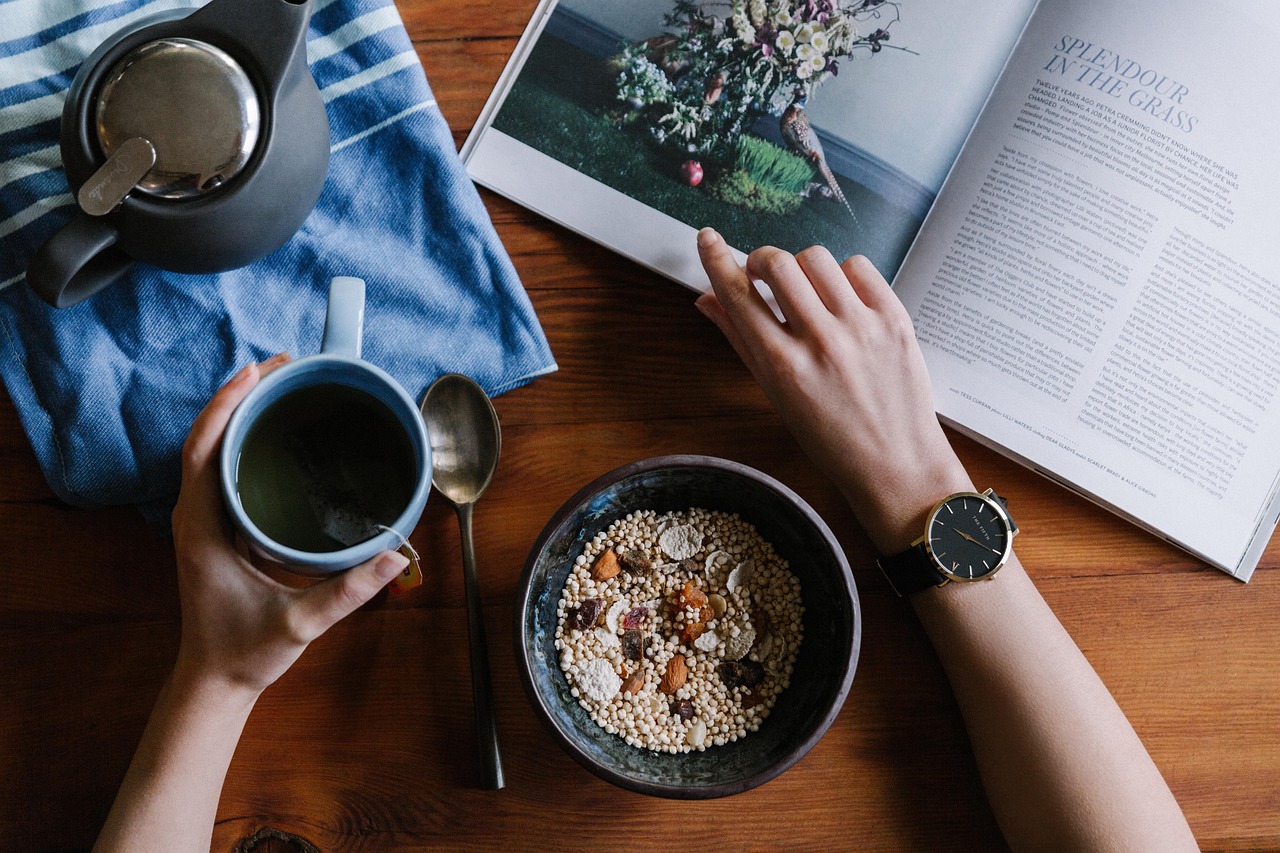
Food is a universal language that transcends borders, bringing people together through flavors, aromas, and traditions. Embracing seasonal ingredients and global culinary techniques opens up a world of possibilities in your kitchen, transforming everyday meals into extraordinary experiences.

The beauty of cooking with the seasons lies in the freshness and vibrancy of ingredients at their peak. When combined with the rich tapestry of global cuisines, you create dishes that are not only delicious but also sustainable and culturally enriching. This journey through seasonal cooking will inspire you to explore new flavors while honoring traditions from around the world.
🌸 Spring Awakening: Fresh Beginnings from Around the Globe
Spring brings renewal and an abundance of tender vegetables, fresh herbs, and delicate proteins. This season invites lighter preparations that celebrate the natural flavors of ingredients just emerging from the earth.
Mediterranean Spring Vegetables with Lemon and Herbs
The Mediterranean diet perfectly captures spring’s essence with its emphasis on fresh produce, olive oil, and bright citrus notes. A simple dish of roasted asparagus, artichokes, and fava beans dressed with lemon juice, garlic, and fresh mint exemplifies this philosophy. The key is minimal cooking to preserve the vegetables’ natural sweetness and crisp texture.
Add crumbled feta cheese for richness and serve alongside grilled fish or chicken seasoned with za’atar. This Middle Eastern spice blend adds complexity without overwhelming the delicate spring flavors.
Japanese Cherry Blossom Season Inspiration
In Japan, spring means sakura season, where cherry blossom petals inspire both aesthetics and cuisine. Try making chirashi sushi, a scattered sushi bowl featuring seasonal ingredients like fresh salmon, tuna, pickled vegetables, and tamago (Japanese omelet) over seasoned rice.
The presentation matters as much as the taste in Japanese cuisine. Arrange ingredients thoughtfully, creating a colorful mosaic that reflects spring’s vibrant palette. Garnish with pickled ginger and shiso leaves for authentic flavor.
☀️ Summer Abundance: Bold Flavors Under the Sun
Summer explodes with ripe tomatoes, sweet corn, juicy stone fruits, and an array of berries. This is the season for outdoor cooking, cold preparations, and dishes that require minimal heat in the kitchen.
Spanish Gazpacho and Cold Soup Traditions
When temperatures soar, cold soups become essential. Spanish gazpacho transforms peak-season tomatoes, cucumbers, peppers, and garlic into a refreshing elixir. The secret lies in using the ripest possible tomatoes and high-quality olive oil.
Blend ingredients until smooth, chill thoroughly, and serve in chilled bowls with garnishes like diced vegetables, croutons, and a drizzle of olive oil. Each spoonful delivers concentrated summer flavor without turning on the stove.
Thai Street Food for Hot Weather
Thailand’s vibrant street food culture offers perfect solutions for summer dining. Som tam (green papaya salad) combines shredded unripe papaya with tomatoes, long beans, peanuts, and a dressing that balances sweet, sour, salty, and spicy elements.
The beauty of Thai cuisine lies in this balance of flavors. Use a mortar and pestle to bruise ingredients together, releasing their oils and creating harmony. Serve with grilled chicken or shrimp for a complete meal that’s light yet satisfying.
Mexican Ceviche: Ocean Freshness in a Bowl
Ceviche showcases summer’s seafood bounty through acid-cooking rather than heat. Fresh fish or shrimp “cooks” in citrus juice, typically lime, then gets mixed with diced tomatoes, onions, cilantro, and jalapeños.
The key is using sushi-grade seafood and not over-marinating, which can make the texture rubbery. Thirty minutes to an hour is usually perfect. Serve with crispy tostadas or tortilla chips for textural contrast.
🍂 Autumn Comfort: Harvest Celebrations Worldwide
As days shorten and temperatures cool, autumn brings heartier vegetables, wild mushrooms, and the desire for warming, substantial dishes. This season celebrates harvest abundance across cultures.
Italian Risotto with Porcini Mushrooms
Autumn in Italy means mushroom foraging, and porcini mushrooms create the most luxurious risotto. The slow stirring of arborio rice with warm broth creates creamy texture without cream, while dried porcini add deep, earthy flavor.
Rehydrate dried porcini in warm water, reserving the liquid for cooking. Toast the rice in butter, add white wine, then gradually incorporate mushroom-infused broth while stirring constantly. Finish with butter and Parmigiano-Reggiano for silky richness.
Indian Curry Traditions for Cooler Weather
Indian cuisine offers countless curry variations perfect for autumn. A butternut squash and chickpea curry combines seasonal vegetables with warming spices like cumin, coriander, turmeric, and garam masala.
Build layers of flavor by blooming whole spices in oil first, then adding ground spices with aromatics. Coconut milk creates creamy texture while balancing the spices’ heat. Serve over basmati rice with naan bread for scooping.
American Southern Sweet Potato Traditions
Sweet potatoes reach their peak in autumn, and Southern American cuisine celebrates them in both savory and sweet preparations. A classic sweet potato casserole bridges the gap with its naturally sweet base and candied pecan topping.
For a savory approach, try roasted sweet potatoes with black beans, creating tacos topped with avocado, cilantro, and lime. The combination honors both Southern and Mexican traditions while highlighting autumn’s best produce.
❄️ Winter Warmth: Hearty Dishes for Cold Days
Winter demands comfort food that warms from within. Root vegetables, hardy greens, and slow-cooked preparations dominate this season across global cuisines.
French Coq au Vin and Braising Traditions
French bistro cooking exemplifies winter comfort with dishes like coq au vin, where chicken braises in red wine with mushrooms, pearl onions, and bacon. The long, slow cooking creates tender meat and deeply flavorful sauce.
The technique applies to many ingredients: beef bourguignon, lamb shanks, or short ribs all benefit from this approach. Brown proteins first for color, build aromatic base with vegetables, add liquid, then braise low and slow until fork-tender.
Korean Hot Pot for Communal Dining
Korean cuisine offers sundubu-jigae, a silky soft tofu stew that’s both comforting and customizable. The bubbling pot arrives at the table still cooking, filled with tofu, vegetables, seafood or meat, and spicy gochugaru-based broth.
Hot pot dining creates community, with everyone gathering around the shared pot. Crack an egg into the boiling stew just before serving, letting it poach in the heat. Serve with rice and banchan (side dishes) for a complete meal.
Moroccan Tagine: Slow-Cooked Perfection
Morocco’s iconic tagine combines meat, vegetables, dried fruits, and warm spices in a distinctive cone-shaped pot. Lamb tagine with apricots and almonds balances savory meat with sweet fruit and aromatic spices like cinnamon, ginger, and saffron.
The tagine’s design circulates moisture, creating tender results without much liquid. If you don’t have a tagine, use a heavy Dutch oven with a tight-fitting lid. Serve over couscous to soak up the flavorful sauce.
🌍 Cross-Cultural Fusion: Blending Traditions Creatively
Modern cooking encourages creative fusion, respecting traditions while exploring new combinations. The key is understanding the principles behind each cuisine before blending them thoughtfully.
Korean-Mexican Fusion: Bulgogi Tacos
Korean bulgogi (marinated beef) translates beautifully to tacos, where the sweet-savory meat pairs with kimchi slaw and gochujang mayo. This fusion respects both cuisines’ love of bold flavors and communal eating.
Marinate thinly sliced beef in soy sauce, sesame oil, garlic, ginger, and pear juice (for tenderizing). Grill quickly over high heat, then serve in warm tortillas with pickled vegetables and fresh cilantro.
Italian-Japanese Crossover: Miso Carbonara
This unexpected pairing works brilliantly, with miso adding umami depth to classic carbonara. The fermented soybean paste enhances the egg and cheese sauce without overwhelming Italian flavors.
Whisk miso into beaten eggs with Pecorino Romano, toss with hot pasta and crispy guanciale, and the residual heat creates creamy sauce. The result tastes both familiar and intriguingly different.
🥘 Essential Techniques for Seasonal Cooking Success
Mastering key techniques allows you to adapt recipes across seasons and cuisines. These foundational skills unlock creative possibilities in your kitchen.
Building Flavor Layers
Great cooking develops complexity through layering. Start with aromatics like onions, garlic, or ginger. Add spices at different stages—some bloom in oil, others finish dishes. Incorporate acid (citrus, vinegar) near the end to brighten flavors.
Taste constantly and adjust seasoning throughout cooking. Salt draws out moisture and intensifies flavors, but add it gradually to avoid over-salting. Fresh herbs typically finish dishes, while dried herbs can cook longer.
Selecting Seasonal Ingredients
Shop at farmers’ markets to discover what’s truly in season locally. Produce at peak ripeness requires less manipulation—simple preparations let quality ingredients shine. Ask vendors for recommendations and cooking tips.
Store ingredients properly to extend freshness. Leafy greens need humidity, tomatoes hate refrigeration, and herbs stay fresh in water like flowers. Proper storage reduces waste and maintains flavor.
Balancing Global Spice Profiles
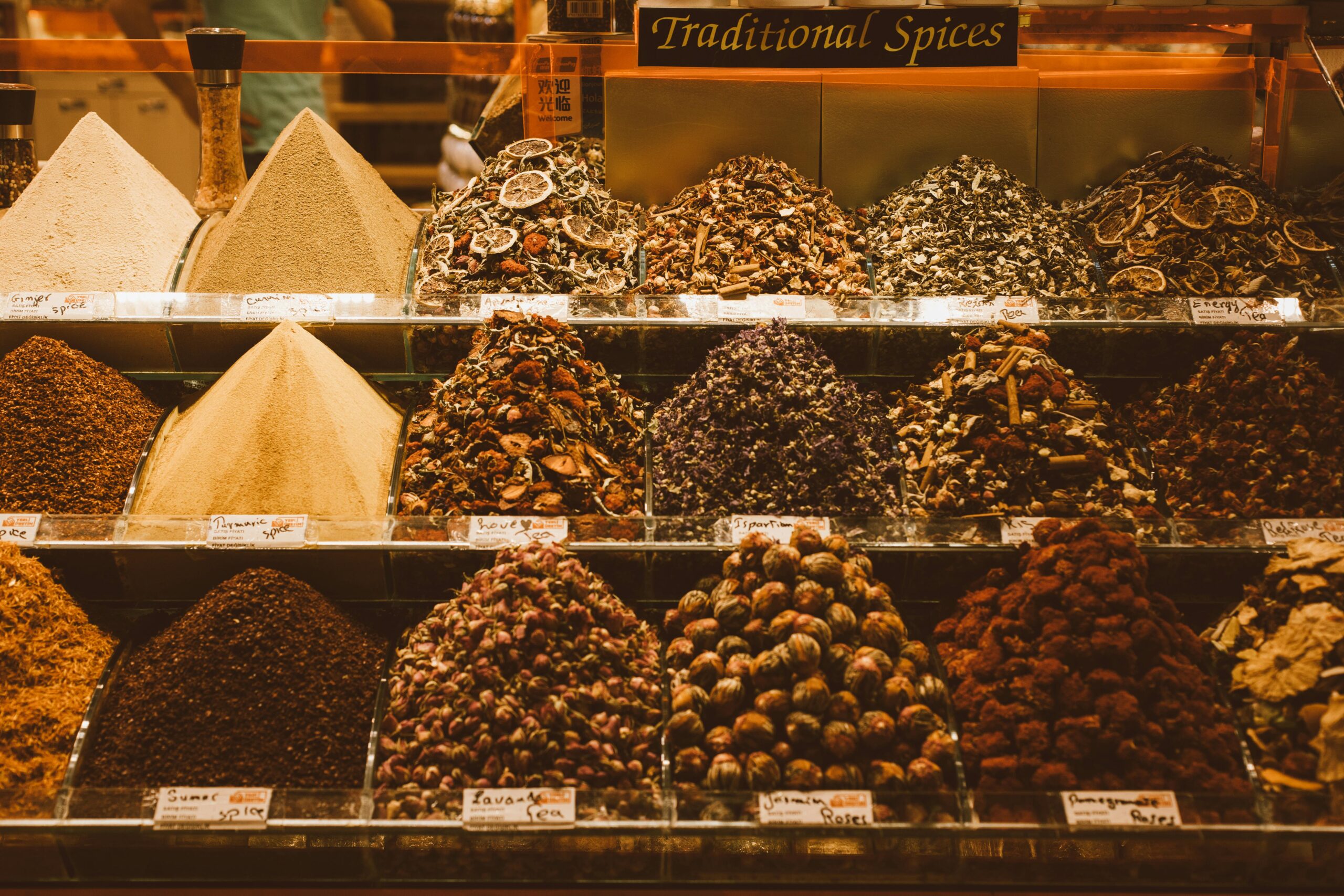
Each cuisine has characteristic spice combinations worth learning. Indian cooking uses curry powder or garam masala, Mexican cuisine features cumin and chili powders, while Chinese cooking often combines five-spice powder with soy sauce.
Build a diverse spice collection gradually, buying small amounts of quality spices and storing them away from light and heat. Toast whole spices before grinding to intensify flavor, and replace ground spices annually as they lose potency.
📅 Planning Your Seasonal Cooking Calendar
Organizing meals around seasonal availability makes shopping easier and cooking more inspiring. Create a flexible framework that guides your kitchen adventures throughout the year.
Spring Menu Planning
Focus on asparagus, peas, artichokes, spring onions, strawberries, and fresh herbs. Plan meals featuring Mediterranean, Japanese, and French spring classics. Incorporate lighter proteins like fish, chicken, and eggs prepared simply to complement delicate vegetables.
Summer Cooking Strategy
Maximize tomatoes, peppers, zucchini, corn, stone fruits, and berries. Explore Spanish, Thai, Mexican, and Greek cuisines that celebrate fresh, raw, or quickly cooked ingredients. Schedule outdoor grilling sessions and cold preparations that don’t heat your kitchen.
Autumn Meal Framework
Embrace squashes, root vegetables, mushrooms, apples, and pears. Draw inspiration from Italian, Indian, and American regional cuisines. Plan longer cooking sessions for braises and roasts that fill your home with comforting aromas.
Winter Comfort Food Rotation
Feature hearty greens, storage vegetables, citrus fruits, and pantry staples. Explore French, Korean, Moroccan, and other cuisines with rich stewing traditions. Prepare large batches that improve with reheating, making weeknight dinners effortless.
🍽️ Bringing It All Together: Your Global Kitchen
Creating a globally-inspired seasonal kitchen requires curiosity, flexibility, and respect for culinary traditions. Stock your pantry with versatile ingredients that appear across multiple cuisines: good olive oil, soy sauce, rice, dried pasta, canned tomatoes, and a variety of spices.
Invest in a few quality tools rather than many specialized gadgets. A sharp chef’s knife, heavy-bottomed pots and pans, and a good cutting board handle most cooking tasks across all cuisines. Add specialized items gradually as you explore specific traditions more deeply.
Most importantly, approach cooking as an adventure rather than a chore. Try one new recipe weekly, experimenting with unfamiliar ingredients or techniques. Share meals with friends and family, creating memories around the table that transcend cultural boundaries.
Seasonal cooking inspired by global cuisines connects you to the rhythms of nature and the diversity of human culinary achievement. Each season brings new opportunities to explore flavors from around the world, using ingredients at their peak freshness. This approach to cooking is sustainable, exciting, and endlessly rewarding, transforming everyday meals into celebrations of culture, season, and shared humanity. Your kitchen becomes a passport to the world, and every meal tells a story worth savoring. 🌏