
Vegetarian cuisine has evolved into a vibrant celebration of flavors from every corner of the globe. Today’s plant-based cooking draws inspiration from centuries-old traditions, transforming simple vegetables, grains, and legumes into extraordinary culinary experiences that satisfy both committed vegetarians and curious food enthusiasts alike.

The beauty of vegetarian cooking lies in its incredible diversity and adaptability. From the aromatic spices of Indian curries to the fresh simplicity of Mediterranean dishes, plant-based recipes offer endless possibilities for creating meals that are both nourishing and utterly delicious. These global flavors prove that vegetarian food is far from boring or restrictive—it’s an invitation to explore the world through your taste buds.
🌍 The Global Renaissance of Vegetarian Cuisine
Vegetarian cooking has experienced a remarkable transformation over recent years. What was once considered a dietary restriction has blossomed into a sophisticated culinary movement that celebrates ingredients, techniques, and flavors from diverse cultures. This shift reflects our growing awareness of sustainability, health, and the incredible potential of plant-based ingredients when prepared with creativity and respect for tradition.
International vegetarian recipes showcase how different cultures have mastered the art of creating satisfying meals without meat. These time-tested preparations often feature complex flavor profiles developed over generations, using techniques that maximize taste while honoring local ingredients and seasonal availability.
🇮🇳 Indian-Inspired Vegetarian Delights: A Symphony of Spices
Indian cuisine stands as one of the world’s greatest vegetarian traditions, offering an unparalleled wealth of plant-based dishes. The secret lies in the masterful use of spices—cumin, coriander, turmeric, garam masala—that transform humble vegetables and legumes into extraordinary meals bursting with flavor and aroma.
Chana Masala: The Chickpea Masterpiece
This North Indian classic demonstrates how simple chickpeas can become the star of an unforgettable dish. Simmered in a tomato-based sauce enriched with ginger, garlic, and a carefully balanced spice blend, chana masala delivers warmth, protein, and satisfaction in every bite. The dish pairs beautifully with fluffy basmati rice or warm naan bread, creating a complete meal that feels both comforting and exciting.
The key to authentic chana masala lies in toasting whole spices before grinding them, releasing essential oils that infuse the dish with depth. Adding a squeeze of fresh lemon juice at the end brightens the flavors and cuts through the richness of the sauce.
Palak Paneer: Creamy Spinach Elegance
This beloved dish combines blanched spinach purée with cubes of fresh paneer cheese, creating a vibrant green curry that’s both nutritious and indulgent. The spinach provides iron and vitamins, while the paneer adds protein and a delightful textural contrast. Cream or coconut milk adds silkiness, making each spoonful feel luxurious.
🇮🇹 Mediterranean Magic: Fresh, Simple, Irresistible
Mediterranean vegetarian cooking celebrates the philosophy that quality ingredients prepared simply often yield the most memorable results. This approach emphasizes fresh vegetables, olive oil, herbs, and whole grains, creating dishes that are light yet deeply satisfying.
Italian Caprese with a Twist
While the traditional Caprese salad needs no improvement, creative variations can expand this Italian classic. Consider grilling the tomatoes to concentrate their sweetness, or substituting burrata for regular mozzarella to add extra creaminess. Drizzling with aged balsamic reduction and sprinkling with pine nuts elevates this simple dish into something truly special.
Greek Spanakopita: Layers of Flavor
This savory spinach pie wrapped in crispy phyllo dough represents the best of Greek vegetarian cooking. The filling combines wilted spinach with feta cheese, fresh dill, and scallions, creating a harmonious blend that’s both tangy and herbaceous. Each golden layer of phyllo provides a satisfying crunch that contrasts beautifully with the creamy interior.
Making spanakopita from scratch requires patience but rewards you with a dish that’s perfect for entertaining or meal prep. The pies freeze exceptionally well, making them a practical choice for busy weeknights.
🇲🇽 Mexican-Inspired Plant-Based Fiesta
Mexican cuisine offers countless vegetarian possibilities that don’t sacrifice flavor or substance. The combination of beans, corn, peppers, and avocados creates naturally satisfying meals rich in protein, fiber, and healthy fats.
Black Bean and Sweet Potato Tacos
These colorful tacos demonstrate how vegetables can take center stage in Mexican cooking. Roasted sweet potato cubes develop caramelized edges that pair perfectly with seasoned black beans. Top with fresh cilantro, lime crema, pickled red onions, and crumbled queso fresco for a taco experience that rivals any meat-based version.
The beauty of this dish lies in its versatility. You can adjust the heat level with jalapeños or chipotle peppers, add roasted corn for sweetness, or include sliced radishes for extra crunch. Each component contributes to a complex flavor profile that keeps every bite interesting.
Vegetarian Enchiladas Verde
Tangy tomatillo sauce envelops corn tortillas filled with cheese, beans, and vegetables in this comforting casserole. The green sauce brings brightness and mild heat, while the melted cheese creates that irresistible gooeyness we crave. Baking everything together allows the flavors to meld beautifully, resulting in a dish that’s greater than the sum of its parts.
🇹🇭 Thai-Inspired Vegetarian Wonders
Thai cuisine masterfully balances sweet, sour, salty, and spicy elements, creating complex flavors that dance across your palate. Many traditional Thai dishes are naturally vegetarian or easily adapted, making this cuisine perfect for plant-based exploration.
Pad Thai with Tofu
This iconic street food dish translates beautifully to vegetarian preparation. Rice noodles are stir-fried with firm tofu, bean sprouts, scallions, and eggs (or omit for vegan), then tossed in a tamarind-based sauce that perfectly balances sweet and tangy notes. Crushed peanuts, lime wedges, and fresh cilantro provide the finishing touches that make authentic pad Thai so addictive.
The secret to restaurant-quality pad Thai at home lies in high heat and quick cooking. Prepare all ingredients beforehand, then work swiftly to achieve that characteristic wok flavor without overcooking the delicate rice noodles.
Green Curry with Vegetables
Thai green curry showcases how coconut milk and curry paste can transform ordinary vegetables into something extraordinary. Bamboo shoots, Thai eggplant, bell peppers, and green beans simmer in a fragrant sauce spiked with basil, creating a dish that’s both comforting and invigorating. Serve over jasmine rice to soak up every drop of that incredible sauce.
🇯🇵 Japanese Vegetarian Elegance
Japanese cuisine emphasizes simplicity, seasonality, and presentation, principles that translate beautifully to vegetarian cooking. These dishes prove that restraint and attention to detail can create profound satisfaction.
Vegetable Sushi Rolls
Homemade sushi allows you to customize ingredients while appreciating the meditative process of preparation. Cucumber, avocado, pickled radish, and seasoned shiitake mushrooms create filling combinations with varied textures and flavors. Perfectly seasoned sushi rice provides the foundation, while the nori wrapper adds umami depth.
Rolling sushi takes practice, but even imperfect rolls taste delicious. The key is properly prepared rice—slightly warm, seasoned with rice vinegar, and handled gently to maintain its texture.
Miso Soup with Tofu and Vegetables
This humble soup demonstrates the power of simplicity. Fermented miso paste dissolved in dashi broth creates an incredibly flavorful base that requires minimal additional ingredients. Silken tofu cubes, wakame seaweed, and scallions complete this nourishing bowl that serves as the perfect starter or light meal.
🌮 Middle Eastern Vegetarian Treasures
Middle Eastern cuisine has always celebrated plant-based ingredients, offering numerous dishes that feel both ancient and contemporary. These recipes rely on legumes, grains, and vegetables enhanced with aromatic spices and fresh herbs.
Falafel: The Ultimate Chickpea Creation
These crispy golden fritters represent Middle Eastern vegetarian cooking at its finest. Ground chickpeas mixed with herbs, spices, and aromatics are shaped into balls and deep-fried until crunchy outside and tender within. Tucked into warm pita with tahini sauce, fresh vegetables, and pickles, falafel creates a complete meal that satisfies on every level.
The secret to perfect falafel is using dried chickpeas that you soak yourself, never canned chickpeas, which contain too much moisture and won’t hold together properly during frying.
Shakshuka: Eggs Poached in Spiced Tomato Sauce
This North African and Middle Eastern dish has gained worldwide popularity for good reason. Eggs gently poach in a chunky tomato sauce flavored with cumin, paprika, and bell peppers, creating a one-pan meal that works equally well for breakfast, lunch, or dinner. Crusty bread for dipping is essential for capturing every bit of that vibrant sauce.
🥗 Building Your Global Vegetarian Pantry
Creating authentic international vegetarian dishes requires stocking key ingredients that form the foundation of various cuisines. While this might seem daunting initially, building your pantry gradually ensures you’re always ready to embark on global culinary adventures.
Essential spices include cumin, coriander, turmeric, paprika, cinnamon, and curry powder. These workhorses appear across multiple cuisines and offer incredible value for their versatility. Specialty items like miso paste, tahini, coconut milk, and rice vinegar open doors to specific regional dishes.
Dried legumes and grains form the protein-rich backbone of vegetarian cooking. Stock chickpeas, lentils, black beans, rice varieties, and quinoa to ensure you always have the foundation for satisfying meals. These shelf-stable ingredients provide both nutrition and substance without requiring refrigeration.
🍳 Techniques That Transform Vegetables
Mastering a few key cooking techniques dramatically improves your vegetarian dishes, regardless of which cuisine you’re exploring. These methods coax maximum flavor from plant-based ingredients, ensuring every meal feels complete and satisfying.
Roasting vegetables at high heat caramelizes their natural sugars, creating depth and complexity impossible to achieve through other cooking methods. This technique works beautifully for everything from Brussels sprouts to cauliflower to sweet potatoes, transforming potentially bland vegetables into crave-worthy side dishes.
Proper seasoning makes the difference between forgettable and memorable vegetarian food. Salt enhances natural flavors, acid brightens dishes, and fat carries flavors across your palate. Learning to balance these elements ensures your cooking tastes restaurant-quality regardless of the recipe’s complexity.
🌶️ Balancing Nutrition in Global Vegetarian Cooking
One beautiful aspect of exploring international vegetarian recipes is how naturally balanced they tend to be. Traditional cuisines evolved to provide complete nutrition using locally available ingredients, often combining grains with legumes to create complete proteins.
Indian dal with rice, Mexican beans with corn tortillas, and Middle Eastern hummus with pita all demonstrate this nutritional wisdom. These combinations provide all essential amino acids while offering fiber, vitamins, and minerals necessary for optimal health.
Incorporating diverse ingredients from various cuisines ensures you receive a wide spectrum of nutrients. Different colored vegetables provide different phytonutrients, while varied protein sources contribute different amino acid profiles. This diversity not only prevents boredom but also optimizes nutrition naturally.
🎨 Plating and Presentation: The Final Touch
Visual appeal matters, especially in vegetarian cooking where vibrant colors and varied textures are natural strengths. Taking a moment to consider presentation elevates home cooking from functional to special, making everyday meals feel more satisfying.
Use the natural colors of vegetables to create visual interest on the plate. The deep green of spinach, bright red of tomatoes, golden yellow of squash, and purple of eggplant provide a painter’s palette that makes food inherently attractive. Garnishing with fresh herbs adds both color and a final burst of flavor.
Consider texture contrasts when composing dishes. Creamy hummus paired with crunchy vegetables, crispy falafel with smooth tahini sauce, or silky curry with fluffy rice all create more interesting eating experiences than monotextured meals.
🌟 Making Global Vegetarian Cooking Accessible
While authentic ingredients enhance international dishes, don’t let their absence prevent you from cooking. Substitutions and adaptations allow you to create delicious meals with what’s available locally. The spirit of global cooking lies in technique and flavor combinations rather than rigid adherence to specific brands or varieties.
Start with recipes that use familiar ingredients, gradually expanding your repertoire as you discover new flavors and techniques. Each culture’s vegetarian traditions offer entry-level dishes perfect for beginners alongside complex preparations that challenge experienced cooks.
Remember that cooking is inherently creative and personal. Use global recipes as inspiration rather than rigid formulas, adjusting seasonings to match your preferences and substituting ingredients based on availability or dietary needs. The best vegetarian cooking honors tradition while embracing flexibility.
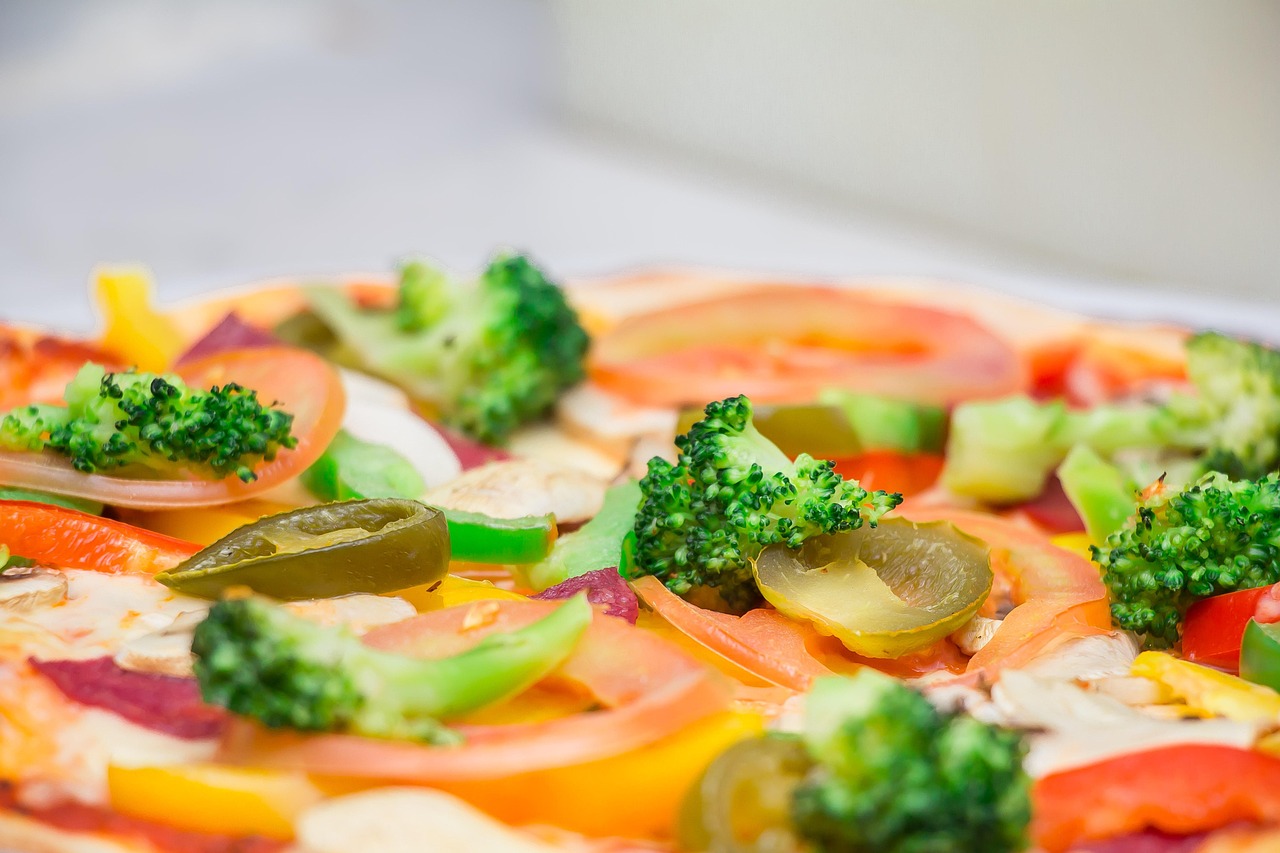
💚 The Joy of Sharing Global Vegetarian Meals
Food connects us across cultures and continents, and sharing vegetarian dishes inspired by global flavors creates opportunities for conversation, discovery, and connection. These meals tell stories about distant places, different traditions, and the universal human need for nourishment and pleasure.
Hosting a dinner party featuring dishes from various countries introduces friends to new flavors while demonstrating vegetarian food’s incredible diversity. This approach also takes pressure off perfecting a single cuisine, allowing you to showcase your favorite discoveries from different culinary traditions.
The world of vegetarian cooking continues expanding as cultures interact and creative cooks reimagine traditional recipes. This ongoing evolution ensures that plant-based eating never becomes stale or limiting. Instead, it offers endless opportunities for exploration, experimentation, and enjoyment.
Whether you’re a committed vegetarian, someone reducing meat consumption, or simply a curious cook seeking new flavors, global vegetarian recipes provide a delicious pathway to expanding your culinary horizons. Each dish represents centuries of culinary wisdom, adapted and refined to create maximum satisfaction from plant-based ingredients. By embracing these international flavors, you’re not just cooking dinner—you’re embarking on a delicious journey around the world, one irresistible bite at a time.