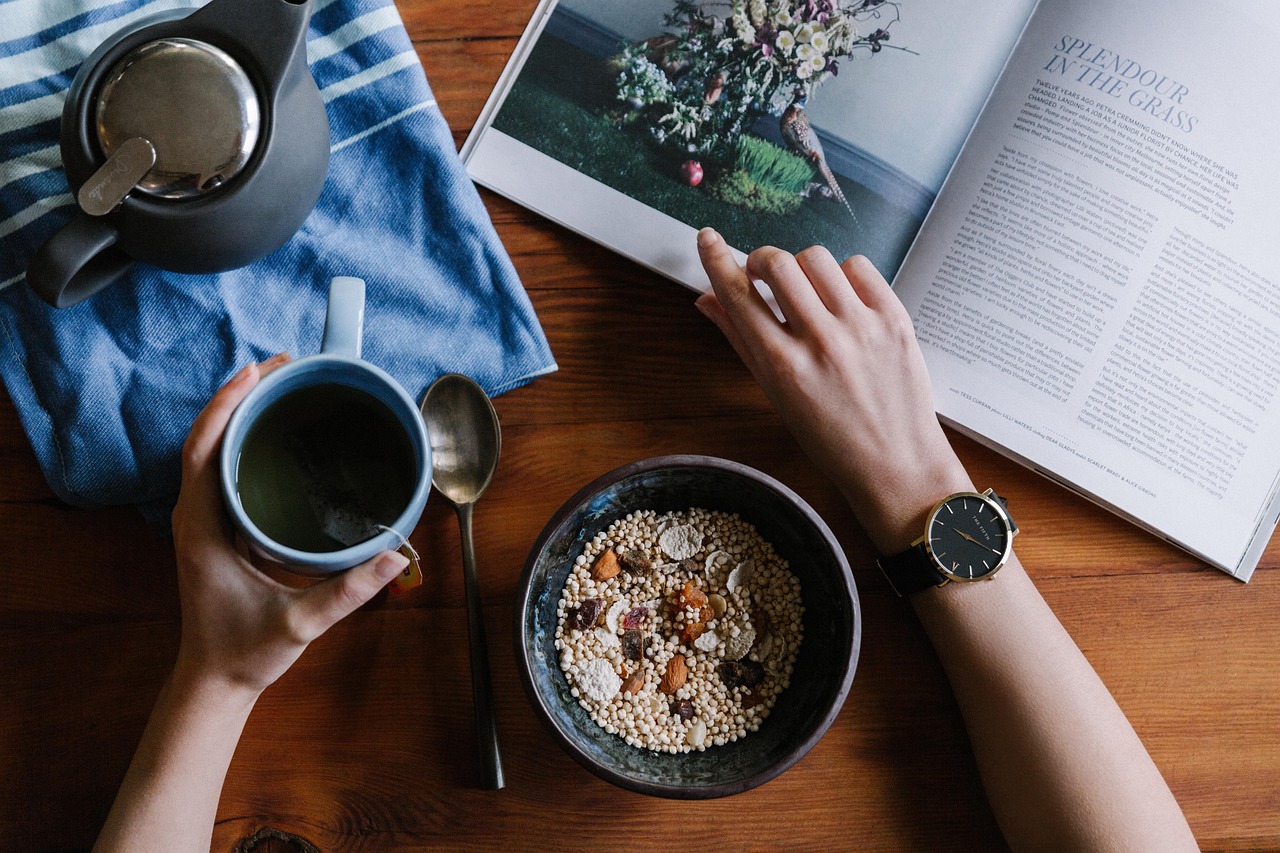
Imagine transforming your kitchen into a global culinary destination without ever leaving home. With the right recipes and a spirit of adventure, you can explore the world’s most beloved dishes, bringing authentic flavors to your table with surprising ease.

The beauty of international cooking lies not in complexity, but in understanding how different cultures combine simple ingredients to create extraordinary meals. Whether you’re craving the aromatic spices of India, the comforting pasta of Italy, or the vibrant flavors of Mexico, your home kitchen can become a passport to culinary discovery.
🌍 Why Global Cooking at Home Matters More Than Ever
In our increasingly connected world, food has become one of the most accessible ways to experience different cultures. Home cooking allows you to control ingredients, adapt recipes to dietary preferences, and save money while exploring cuisines that might otherwise require expensive restaurant visits or international travel.
Beyond the practical benefits, cooking international dishes at home creates meaningful experiences. It’s an opportunity to learn about history, geography, and cultural traditions through the universal language of food. Each recipe tells a story about the people who created it and the land from which it originated.
The pandemic accelerated our appreciation for home cooking, and many discovered that restaurant-quality international dishes were within reach. With online resources, specialty ingredients now available in local stores, and a growing community of food enthusiasts sharing their knowledge, there’s never been a better time to embark on your culinary world tour.
🍜 Asian Flavors: Simple Recipes with Complex Tastes
Asian cuisine encompasses an incredible diversity of flavors, techniques, and ingredients. Despite its reputation for complexity, many Asian dishes rely on a handful of staple ingredients that create layers of flavor through simple combinations.
The Essential Asian Pantry
Building a basic Asian pantry requires just a few key items that will serve you across multiple cuisines. Soy sauce, sesame oil, rice vinegar, ginger, and garlic form the foundation. Add fish sauce for Southeast Asian dishes, miso paste for Japanese cooking, and gochujang for Korean recipes, and you’ll be equipped for countless meals.
One of the most rewarding Asian dishes for beginners is fried rice. This humble dish teaches fundamental techniques like proper rice preparation, wok heat management, and the art of seasoning in layers. Start with day-old rice, scramble an egg in hot oil, add vegetables and protein of your choice, then toss with soy sauce and a touch of sesame oil. The result is a satisfying meal that rivals any takeout version.
Thai Curry: Complexity Made Simple
Thai curries might seem intimidating, but they follow a straightforward formula. Sauté curry paste in coconut milk until fragrant, add your protein and vegetables, simmer until cooked, and finish with fish sauce, lime juice, and fresh herbs. Green, red, or yellow curry pastes are available in most supermarkets, eliminating the need to source dozens of individual spices.
The beauty of Thai cooking lies in balancing sweet, salty, sour, and spicy flavors. Once you understand this principle, you can adjust any recipe to suit your preferences, making Thai cuisine remarkably adaptable for home cooks.
🍝 Mediterranean Magic: Healthy and Flavorful Everyday Cooking
Mediterranean cuisine has gained worldwide recognition not just for its delicious flavors but also for its health benefits. The emphasis on olive oil, fresh vegetables, whole grains, and lean proteins creates meals that nourish both body and soul.
Italian Simplicity at Its Finest
Italian cooking proves that the best dishes often have the fewest ingredients. A classic marinara sauce requires only tomatoes, garlic, olive oil, basil, and salt. Cacio e pepe uses just pasta, Pecorino Romano cheese, black pepper, and pasta water to create a silky, luxurious sauce that tastes like it came from a Roman trattoria.
The key to Italian cooking is ingredient quality rather than culinary acrobatics. Use the best tomatoes, olive oil, and cheese you can afford, and let their natural flavors shine. This philosophy makes Italian cuisine both accessible and endlessly satisfying for home cooks.
Greek Dishes for Weeknight Success
Greek cuisine offers some of the most practical recipes for busy home cooks. Souvlaki requires simple marination of chicken or pork in lemon, olive oil, and oregano before grilling. Greek salad comes together in minutes with cucumbers, tomatoes, olives, feta, and a simple vinaigrette. Spanakopita can be made with store-bought phyllo dough and a spinach-feta filling.
These dishes prove that Mediterranean cooking doesn’t require hours of preparation or specialized equipment. A sheet pan, a sharp knife, and quality olive oil will take you remarkably far in recreating these sun-soaked flavors.
🌮 Latin American Vibrancy: Bold Flavors, Simple Techniques
Latin American cuisine bursts with color, flavor, and soul. From Mexican tacos to Brazilian feijoada, these cuisines celebrate fresh ingredients, bold spices, and communal eating experiences that bring people together.
Mexican Cooking Beyond Tacos
While tacos deserve their popularity, Mexican cuisine offers so much more for home cooks to explore. Pozole, a hearty hominy soup, simmers away with minimal attention, developing deep flavors over time. Enchiladas allow for endless variations with different sauces, fillings, and cheese combinations.
The foundation of Mexican cooking rests on techniques like toasting spices, charring vegetables for salsas, and properly preparing dried chilies. These simple steps unlock authentic flavors that transform ordinary ingredients into extraordinary dishes. Once mastered, they become second nature, making Mexican cooking an intuitive and rewarding practice.
South American Comfort Foods
South American cuisines offer comfort food that warms the heart and satisfies the soul. Argentine empanadas can be baked rather than fried for a healthier version, with fillings ranging from traditional beef to creative vegetarian options. Colombian arepas are naturally gluten-free corn cakes that serve as vehicles for countless toppings.
Brazilian brigadeiros provide a simple introduction to South American desserts, requiring just condensed milk, cocoa powder, and butter rolled into chocolate truffles. These small bites pack impressive flavor and require no baking, making them perfect for novice cooks wanting to end their meal with something special.
🥘 Middle Eastern Hospitality: Spice-Forward and Guest-Ready
Middle Eastern cuisine embodies the spirit of hospitality, with dishes designed for sharing and celebration. The spice blends, cooking techniques, and ingredient combinations create meals that feel both exotic and comforting.
Building Your Middle Eastern Spice Collection
Middle Eastern cooking relies heavily on warm spices that create complex flavor profiles. Cumin, coriander, cinnamon, cardamom, and sumac appear repeatedly across different dishes. Za’atar, a pre-mixed herb and spice blend, offers an instant flavor boost sprinkled on vegetables, meats, or bread.
Start with simple dishes like hummus, which requires just chickpeas, tahini, lemon juice, garlic, and salt blended until smooth. The satisfaction of making hummus at home—creamier and fresher than any store-bought version—provides motivation to explore more complex recipes.
One-Pot Wonders from the Middle East
Many Middle Eastern dishes excel as one-pot meals, making them ideal for busy weeknights. Chicken shawarma can be made on a sheet pan with spiced chicken thighs and roasted vegetables. Shakshuka, eggs poached in spiced tomato sauce, works equally well for breakfast, lunch, or dinner.
These dishes demonstrate how Middle Eastern cooking creates impressive results without complicated techniques or extensive cleanup. The emphasis on layered spices and slow-cooked flavors means much of the work happens without active cooking time, allowing you to attend to other tasks while dinner simmers.
📱 Digital Tools to Enhance Your Global Cooking Journey
Modern technology has revolutionized how we approach international cooking at home. Recipe apps provide access to thousands of authentic dishes with step-by-step instructions, ingredient substitutions, and user reviews that help you avoid common pitfalls.
Video tutorials bring techniques to life in ways that written recipes cannot, showing you exactly how thick your curry paste should be or what properly kneaded pasta dough looks like. Cooking apps often include timer functions, measurement converters, and the ability to scale recipes up or down based on servings needed.
Community features in cooking apps allow you to connect with other home cooks around the world, sharing tips, asking questions, and celebrating successes. This social dimension transforms cooking from a solitary activity into a shared adventure, providing support and inspiration when you encounter challenges.
🛒 Shopping Smart for International Ingredients
One of the biggest hurdles to cooking international cuisine at home is sourcing ingredients. Fortunately, globalization and increased interest in diverse cuisines have made specialty ingredients more accessible than ever.
Start by exploring your local supermarket’s international aisle, which often stocks basic items like coconut milk, curry pastes, rice noodles, and various hot sauces. Asian markets, Latin grocers, and Middle Eastern shops offer more specialized ingredients at better prices than mainstream stores.
Online shopping expands your options even further, with retailers specializing in hard-to-find ingredients that ship directly to your door. While this convenience comes at a premium, it’s often worth the investment for items you’ll use repeatedly or for exploring cuisines with less local availability.
Smart Substitutions When Ingredients Aren’t Available
Part of becoming a confident international cook involves knowing when and how to substitute ingredients. While authenticity matters, adaptability matters more for sustained home cooking success. Greek yogurt can stand in for Middle Eastern labneh, regular vinegar works when rice vinegar isn’t available, and accessible herbs can replace harder-to-find varieties.
The key is understanding what role each ingredient plays in the dish. If it provides acidity, any acidic ingredient can work. If it adds heat, various chili options are interchangeable. This knowledge transforms cooking from rigid recipe-following into creative problem-solving, building your skills and confidence over time.
⏰ Time-Saving Strategies for Weeknight International Cooking
The misconception that international cooking requires hours in the kitchen prevents many people from trying. In reality, numerous global dishes come together faster than ordering takeout, especially once you’ve built familiarity with core techniques.
Batch cooking and meal prep strategies work beautifully with international cuisines. Make a large batch of curry paste, store it in the freezer in ice cube trays, and you’ll have instant flavor bases for future meals. Cook extra rice, beans, or grains to use throughout the week in different dishes.
The 30-Minute International Meal Blueprint
Many cultures have developed quick-cooking dishes out of necessity. Japanese donburi bowls combine rice with quickly cooked protein and vegetables. Spanish tapas include items that require minimal cooking or are served at room temperature. Vietnamese pho relies on a flavorful broth that does the heavy lifting while noodles and toppings come together quickly.
Focus on these naturally fast dishes when time is limited, saving more involved recipes for weekends or occasions when you have extra time to enjoy the cooking process itself.
👨👩👧👦 Making Global Cooking a Family Adventure
Cooking international dishes at home offers wonderful opportunities for family bonding and cultural education. Children who participate in preparing diverse cuisines develop adventurous palates, practical life skills, and appreciation for different cultures.
Assign age-appropriate tasks like washing vegetables, measuring spices, or stirring sauces. Turn cooking sessions into geography lessons by discussing where recipes originated, showing locations on maps, and sharing interesting facts about the culture. This multisensory learning creates lasting memories and positive associations with both cooking and cultural diversity.
Start with interactive dishes that kids enjoy making and eating. Homemade pizza allows everyone to customize their toppings. Taco bars let each person build their perfect combination. Japanese okonomiyaki, sometimes called “Japanese pizza,” invites creativity and hands-on participation that children find engaging.
🎯 Building Confidence Through Progressive Skill Development
Approaching international cooking as a progressive journey rather than an all-or-nothing endeavor sets you up for success. Start with cuisines and dishes that align with your current skill level, gradually increasing complexity as your confidence grows.
Master one cuisine’s basics before jumping to another. Once you’re comfortable with Italian pasta dishes, Mexican salsas, or Thai stir-fries, you’ll have developed transferable skills that apply across other cuisines. The confidence gained from successfully executing one cuisine’s dishes motivates you to tackle new culinary challenges.
Keep a cooking journal documenting successes, failures, and lessons learned. Note which substitutions worked, which dishes your family loved, and which techniques need more practice. This record becomes a personalized cookbook reflecting your unique journey through world cuisines.
🌟 Celebrating Your Culinary Achievements
Every dish you successfully prepare represents a small victory in your culinary world tour. Don’t underestimate the satisfaction of creating restaurant-quality international food in your own kitchen, tailored to your preferences and dietary needs.
Share your creations with friends and family, hosting themed dinner parties that showcase different cuisines. These gatherings transform your cooking experiments into social celebrations, creating memories while building your reputation as an adventurous cook.
Photography your dishes and keep a visual record of your culinary journey. These images document your progress and provide inspiration during moments when cooking feels routine. Looking back at early attempts compared to recent creations reveals growth that might otherwise go unnoticed.
The world’s cuisines offer endless opportunities for exploration, learning, and delicious eating. By starting with accessible recipes, building your pantry strategically, and approaching international cooking with curiosity rather than intimidation, you transform your kitchen into a portal to global culinary experiences. Each meal becomes an adventure, each recipe a journey, and each bite a reminder that the world’s flavors are closer than you ever imagined—just a recipe and a few ingredients away from your own table.