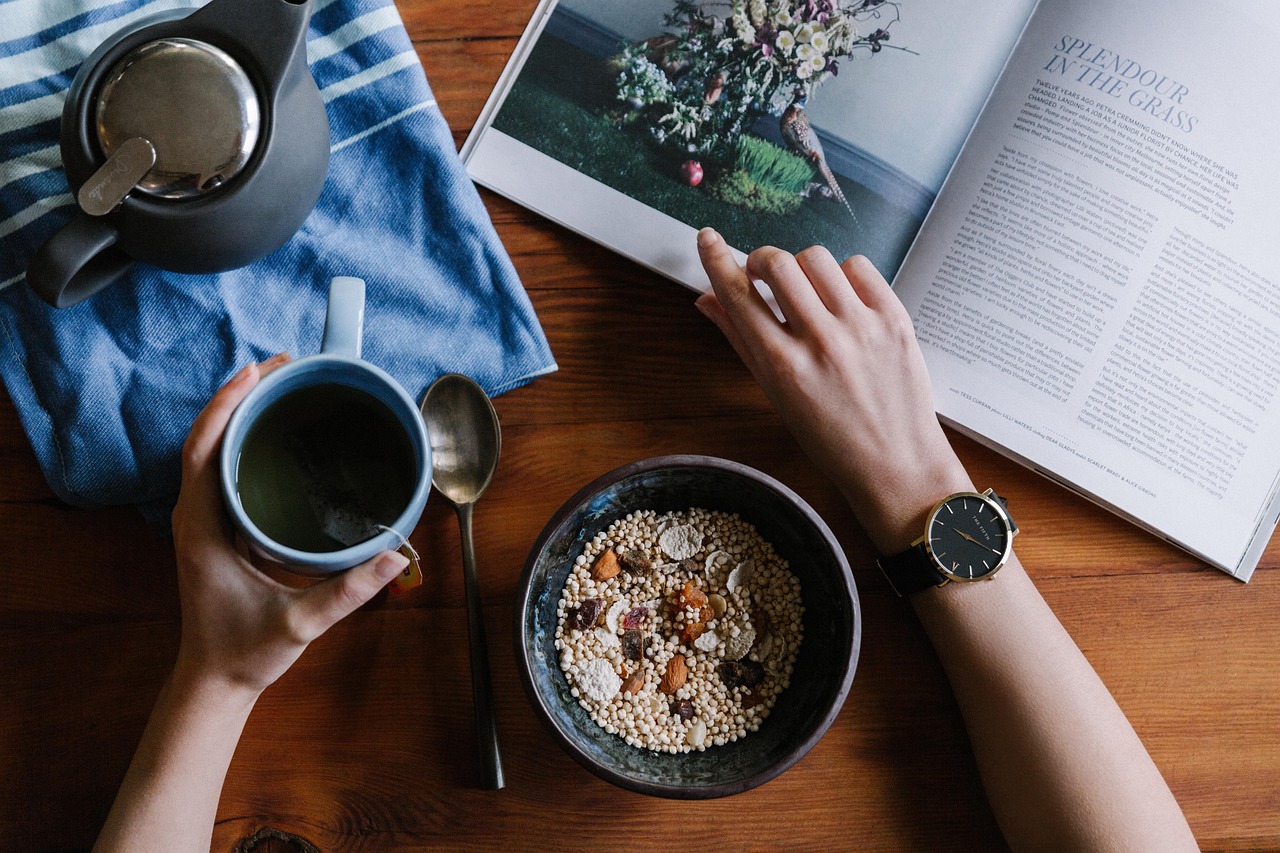
Reducing sodium doesn’t mean sacrificing taste. Exploring global cuisines reveals countless flavorful dishes that naturally rely on herbs, spices, and fresh ingredients rather than salt.

From the aromatic spices of India to the fresh herbs of the Mediterranean, cultures worldwide have perfected the art of creating mouthwatering meals without excessive sodium. This culinary journey will introduce you to delicious low-sodium recipes organized by cuisine, proving that healthy eating can be an exciting adventure for your palate. Whether you’re managing blood pressure, supporting heart health, or simply seeking cleaner eating habits, these international dishes will transform your kitchen into a global flavor destination.
🌍 Why Global Cuisines Are Perfect for Low-Sodium Cooking
Traditional cuisines from around the world often emphasize fresh, whole ingredients and complex spice blends that naturally minimize the need for added salt. Many cultures developed their culinary traditions long before processed foods became commonplace, relying instead on herbs, citrus, vinegars, and aromatic vegetables to build layers of flavor.
Mediterranean, Asian, Latin American, and Middle Eastern cooking styles particularly excel at creating depth without sodium. These cuisines teach us that flavor complexity comes from technique, quality ingredients, and the artful combination of seasonings rather than simply adding more salt.
Understanding these global approaches to flavor building empowers home cooks to create satisfying meals that support cardiovascular health while delighting the senses. The key lies in learning which ingredients and methods each cuisine uses to achieve its signature taste profiles.
🍋 Mediterranean Magic: Sun-Kissed Flavors Without the Salt
Mediterranean cuisine offers perhaps the most accessible entry point for low-sodium cooking, with its emphasis on olive oil, fresh herbs, garlic, and lemon. These ingredients create bright, vibrant dishes that never feel bland or restrictive.
Greek-Inspired Lemon Herb Chicken
This classic preparation uses a marinade of fresh lemon juice, oregano, garlic, and olive oil to infuse chicken with incredible flavor. The acid in the lemon helps tenderize the meat while the herbs provide aromatic complexity. Serve alongside roasted vegetables tossed with more fresh herbs for a complete meal that contains less than 150mg of sodium per serving.
The secret to Greek cooking lies in generous use of oregano, which has a robust, slightly bitter flavor that stands in beautifully for salt. Fresh parsley, dill, and mint also feature prominently, adding brightness and freshness to everything from salads to grilled meats.
Italian Herb-Crusted Fish with Tomato Basil Sauce
Italian cuisine demonstrates how tomatoes, garlic, and basil create a flavor foundation so satisfying that salt becomes almost unnecessary. A simple sauce of fresh tomatoes, garlic, extra virgin olive oil, and torn basil leaves provides all the complexity needed for perfectly cooked white fish.
Creating a crust with fresh breadcrumbs mixed with minced garlic, lemon zest, and Italian herbs adds textural contrast and concentrated flavor. This technique works beautifully with cod, halibut, or sea bass, delivering restaurant-quality results at home with minimal sodium.
🌶️ Asian Inspirations: Umami-Rich and Sodium-Smart
Asian cuisines present unique challenges for low-sodium cooking since soy sauce is a traditional staple. However, by using reduced-sodium alternatives, increasing other umami-rich ingredients, and focusing on fresh aromatics, you can capture authentic Asian flavors while controlling salt intake.
Thai Basil Chicken with Aromatic Vegetables
Thai cooking relies heavily on the holy trinity of garlic, chilies, and fresh herbs. This stir-fry uses reduced-sodium soy sauce (or coconut aminos for even less sodium) combined with fish sauce alternative, fresh Thai basil, garlic, and bird’s eye chilies to create an intensely flavorful dish.
The key is balancing the four fundamental Thai flavors: salty, sweet, sour, and spicy. By using lime juice for sourness, a touch of coconut sugar for sweetness, and fresh chilies for heat, you can minimize the salty component while maintaining the characteristic Thai flavor profile.
Japanese-Style Miso-Glazed Salmon
While traditional miso contains sodium, using it sparingly as a glaze rather than a broth base allows you to enjoy its complex umami flavor without excessive salt. Mix a small amount of white miso with rice vinegar, ginger, and a touch of honey to create a glaze that caramelizes beautifully on salmon.
Pair with simply prepared vegetables like steamed bok choy or sautéed shiitake mushrooms, which provide their own umami depth. Garnish with sesame seeds and thinly sliced scallions for authentic Japanese presentation and flavor.
Vietnamese Fresh Spring Rolls with Peanut Sauce
Vietnamese cuisine celebrates fresh, uncooked ingredients wrapped in rice paper with herbs playing a starring role. These spring rolls filled with vermicelli noodles, fresh vegetables, herbs like mint and cilantro, and grilled shrimp or tofu offer a sodium-conscious meal bursting with texture and flavor.
The accompanying peanut sauce can be made with natural peanut butter, lime juice, garlic, ginger, and a touch of reduced-sodium soy sauce or tamari, creating a creamy, tangy dip that enhances rather than overwhelms the fresh ingredients.
🌮 Latin American Flavors: Spice-Forward and Satisfying
Latin American cuisines from Mexico to Peru offer incredible opportunities for low-sodium cooking through their reliance on fresh chilies, cumin, cilantro, lime, and other bold seasonings that create satisfying meals without excessive salt.
Mexican-Inspired Chicken Fajitas
Traditional fajita seasoning often contains significant sodium, but creating your own blend with cumin, chili powder, garlic powder, onion powder, smoked paprika, and oregano delivers authentic flavor with complete control over salt content. Marinate chicken strips in this spice blend with fresh lime juice and a touch of olive oil.
Sauté with colorful bell peppers and onions, and serve with warm corn tortillas, fresh pico de gallo, and mashed avocado. The combination of smoky spices, charred vegetables, and fresh toppings creates a flavor experience so complete that you won’t miss the salt.
Peruvian Ceviche with Citrus and Herbs
This refreshing dish showcases how acid can “cook” and flavor fish without any added sodium. Fresh white fish is marinated in lime and lemon juice with sliced red onion, fresh cilantro, and a touch of fresh chili pepper. The citrus juice denatures the proteins while infusing the fish with bright, clean flavors.
Serve with sweet potato slices and corn for a traditional Peruvian presentation. The natural sweetness of these accompaniments balances the acidity of the ceviche beautifully, creating a harmonious dish that celebrates fresh ingredients.
🥙 Middle Eastern Delights: Aromatic and Herb-Heavy
Middle Eastern cuisine offers a treasure trove of low-sodium possibilities through its generous use of fresh herbs, warm spices, and yogurt-based preparations that provide creaminess and tang without relying on salt.
Lebanese Herb Salad (Tabbouleh)
This parsley-forward salad demonstrates how herbs can be the main ingredient rather than just a garnish. Finely chopped fresh parsley is combined with smaller amounts of bulgur wheat, diced tomatoes, fresh mint, and dressed with lemon juice and olive oil. The result is incredibly fresh, bright, and satisfying with minimal sodium.
The key to authentic tabbouleh is using far more parsley than grain, reversing the proportions found in many Western adaptations. This makes it naturally lower in sodium while increasing nutrients and flavor.
Turkish Yogurt-Marinated Chicken Kebabs
Yogurt serves as an excellent marinade base, tenderizing meat while adding tangy flavor. Combine plain yogurt with garlic, lemon juice, cumin, paprika, and sumac to create a flavorful marinade for chicken pieces. The natural sodium in yogurt provides some saltiness while probiotics offer additional health benefits.
Thread marinated chicken onto skewers and grill until charred and cooked through. Serve with a cucumber-yogurt sauce seasoned with dill and garlic for a complete meal that tastes indulgent while supporting heart health.
🍛 Indian Cuisine: Spice Complexity Without Sodium
Indian cooking demonstrates perhaps better than any other cuisine how complex spice blends can create incredibly satisfying dishes without relying on salt. The layering of aromatics, whole and ground spices, and careful technique produces depth that makes salt almost unnecessary.
Chicken Tikka with Homemade Spice Blend
Create a marinade using plain yogurt, ginger-garlic paste, turmeric, cumin, coriander, garam masala, and a touch of cayenne pepper. The yogurt tenderizes the chicken while the spices create warmth and complexity. Grill or bake until slightly charred for authentic flavor.
Making your own spice blends ensures they’re sodium-free, unlike many commercial curry powders that contain added salt. Toast whole spices like cumin and coriander seeds before grinding for maximum flavor impact.
Dal with Aromatic Tempering
This lentil-based dish relies on a technique called “tadka” or tempering, where spices are briefly fried in oil or ghee to release their aromatic compounds before being added to the cooked lentils. Use mustard seeds, cumin seeds, curry leaves, and dried red chilies for authentic flavor without added sodium.
Simmer red lentils with turmeric, ginger, and garlic until creamy, then pour the hot tempered spice mixture over the top. Finish with fresh cilantro and a squeeze of lemon for brightness. This protein-rich dish proves that comfort food can be heart-healthy.
🥗 Building Your Low-Sodium Global Pantry
Success with international low-sodium cooking requires stocking your pantry with the right ingredients. Focus on items that provide flavor intensity without contributing significant sodium.
Essential items include: various dried herbs and spices (buying whole and grinding as needed for maximum freshness), citrus fruits for acid and brightness, quality olive oil and other healthy fats, vinegars in multiple varieties, fresh garlic and ginger, reduced-sodium soy sauce or coconut aminos, and no-salt-added canned tomatoes and beans.
Investing in a spice grinder allows you to toast and grind whole spices, which provide far more flavor than pre-ground versions. This simple tool can transform your cooking by unlocking deeper, more complex flavors that reduce the perceived need for salt.
💡 Techniques That Maximize Flavor Without Sodium
Beyond ingredients, certain cooking techniques naturally concentrate flavors and create the satisfying depth that salt typically provides. Mastering these methods elevates low-sodium cooking from restrictive to exciting.
Roasting vegetables at high heat caramelizes their natural sugars, creating sweet, complex flavors. The Maillard reaction that occurs during proper browning of proteins adds savory notes that enhance satisfaction. Using aromatic bases like onions, garlic, celery, and carrots as the foundation for soups and stews builds layers of flavor from the start.
Deglazing pans with wine, broth, or citrus juice captures all the flavorful browned bits, incorporating them back into sauces. Reducing liquids concentrates their flavors naturally. These techniques, borrowed from professional kitchens worldwide, make low-sodium cooking more flavorful than many traditional high-salt preparations.
🍲 Creating Balanced Low-Sodium Meals
Understanding how to combine dishes from various cuisines creates balanced meals that satisfy nutritionally and gastronomically. Pair protein-rich main dishes with vegetable-forward sides and grain-based components for complete nutrition.
A typical balanced plate might include grilled lemon-herb chicken (Mediterranean), quinoa pilaf with herbs (Middle Eastern-inspired), and roasted vegetables with cumin (Latin American influence). This combination provides complete nutrition while keeping sodium under 400mg per meal.
Don’t forget that flavor balance across a meal matters as much as individual dishes. Combine creamy with acidic, rich with fresh, and spicy with cooling elements to create eating experiences that feel complete and satisfying.
📱 Tools and Resources for Low-Sodium Cooking Success
Modern technology offers helpful support for those committed to reducing sodium while exploring global flavors. Recipe apps can filter specifically for low-sodium options, while nutrition tracking helps monitor daily intake.
Many smartphone apps provide sodium content information for ingredients and prepared foods, making shopping and meal planning easier. Some even suggest flavor substitutions and provide cooking timers to ensure techniques like proper caramelization are executed correctly.
🌟 Making Low-Sodium Cooking a Lifestyle
Transitioning to lower-sodium eating becomes sustainable when approached as an exploration rather than a restriction. Viewing it as an opportunity to discover global flavors makes the journey enjoyable rather than burdensome.
Start by choosing one cuisine to explore deeply, mastering its core techniques and flavor profiles before moving to another. This approach builds confidence and a repertoire of reliable recipes that become weekly staples. As your palate adjusts to less sodium, you’ll likely find that previously “normal” foods taste unpleasantly salty.
Involve family members in trying new cuisines and recipes, making it a shared adventure rather than one person’s dietary restriction. Hosting international-themed dinners where everyone contributes a low-sodium dish from a specific cuisine creates community around healthy eating.
🎯 Overcoming Common Low-Sodium Cooking Challenges
Even with the best intentions, certain challenges arise when reducing sodium. Restaurant meals and social gatherings can be particularly difficult, as most commercial food contains significantly more salt than home-cooked meals.
When dining out, look for cuisines that naturally align with low-sodium eating, such as Mediterranean or Japanese restaurants where grilled fish and fresh vegetables feature prominently. Don’t hesitate to request dishes prepared without added salt, with sauces on the side, or with extra lemon and herbs.
For social situations, offer to bring a dish, ensuring there’s at least one option you can enjoy. Your flavorful low-sodium contribution might inspire others to reconsider their own sodium intake.
🌱 The Health Benefits Beyond Blood Pressure
While blood pressure management often motivates sodium reduction, the benefits extend far beyond cardiovascular health. Lower sodium intake reduces bloating and water retention, potentially aids kidney function, and may decrease calcium loss from bones.
Many people report that their sense of taste becomes more refined and sensitive after adapting to lower sodium levels. Subtle flavors in fresh vegetables, herbs, and quality ingredients become more noticeable and appreciated. This heightened taste awareness often leads to greater enjoyment of food rather than less.
The emphasis on fresh, whole ingredients that characterizes low-sodium cooking naturally increases intake of vitamins, minerals, fiber, and phytonutrients while decreasing consumption of processed foods. This dietary pattern supports overall health, energy levels, and longevity.
✨ Embracing Your Global Low-Sodium Kitchen
The journey through global cuisines reveals that flavorful, satisfying food doesn’t require excessive sodium. From the herb-heavy dishes of the Mediterranean to the spice-forward preparations of India, cultures worldwide offer inspiration for delicious low-sodium cooking.
By stocking your pantry with quality herbs, spices, and flavor-building ingredients, mastering key techniques like roasting and proper browning, and approaching each cuisine with curiosity and respect, you’ll discover that low-sodium eating expands rather than limits your culinary horizons.
Your kitchen becomes a gateway to global flavors, each recipe a small journey to distant lands where food is medicine, celebration, and comfort all at once. The path to better health through reduced sodium doesn’t require sacrifice—it invites adventure, creativity, and the pure pleasure of truly tasting your food.