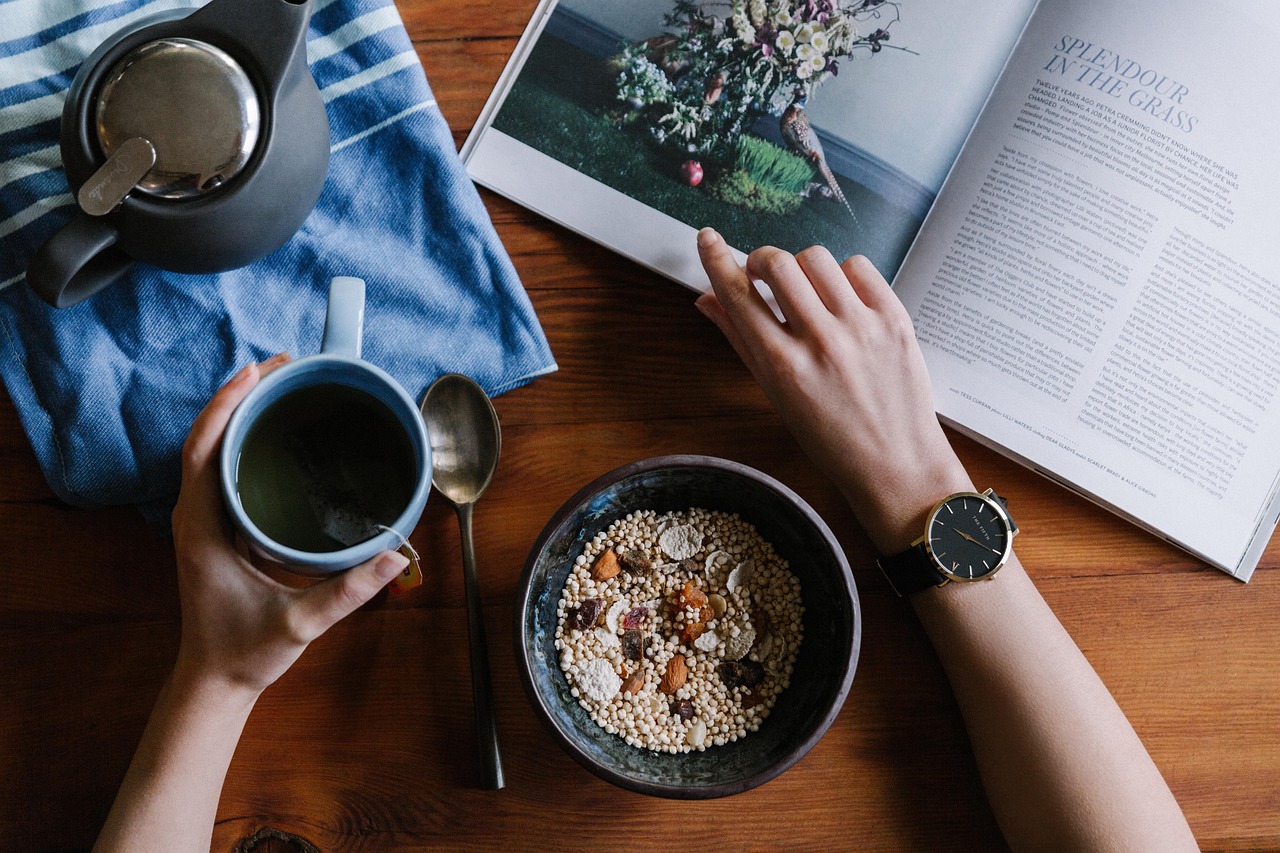
In today’s fast-paced world, finding time to prepare delicious, home-cooked meals can feel impossible. But what if you could travel the globe through your taste buds without spending hours in the kitchen?

Global cuisines offer an incredible wealth of flavors, techniques, and ingredients that can transform your weeknight dinners from mundane to magnificent. The secret isn’t about complicated recipes or hard-to-find ingredients—it’s about understanding the fundamental flavor profiles and simple cooking methods that define each cuisine. With a well-stocked pantry and a few clever shortcuts, you can create authentic-tasting international dishes in 30 minutes or less, bringing excitement and variety to your dinner table every single night of the week.
🌍 Why Global Cuisine Makes Perfect Weeknight Meals
Many traditional international dishes were born out of necessity, designed by home cooks who needed to feed their families quickly using readily available ingredients. This means that authentic global cuisine is often naturally suited to weeknight cooking—contrary to the intimidating reputation it sometimes has in Western kitchens.
Asian stir-fries, Mediterranean mezze plates, Mexican tacos, and Middle Eastern grain bowls all share common characteristics: they’re designed to be assembled quickly, use simple cooking techniques, and rely on bold seasonings to create maximum flavor impact. These dishes also tend to be naturally balanced, incorporating vegetables, proteins, and grains in satisfying combinations that don’t require elaborate meal planning.
Another advantage of exploring global cuisines is the opportunity to break out of cooking ruts. When you’re drawing inspiration from Thai, Indian, Italian, Japanese, and Moroccan traditions, you’ll never feel like you’re eating the same thing twice. This variety not only keeps meals interesting but also naturally increases the nutritional diversity of your diet.
🥘 Building Your Global Pantry: Essential Ingredients
The foundation of quick international cooking is a well-organized pantry stocked with versatile ingredients that span multiple cuisines. You don’t need to invest in dozens of specialty items—strategic selection is key.
Asian Essentials
For East and Southeast Asian cooking, keep soy sauce, sesame oil, rice vinegar, and fish sauce on hand. These four ingredients alone can create authentic flavor bases for Chinese, Japanese, Thai, and Vietnamese dishes. Add fresh ginger, garlic, and scallions—ingredients that store well and transform simple proteins and vegetables into restaurant-quality meals.
Miso paste is another powerhouse ingredient that lasts for months in the refrigerator and adds instant umami depth to soups, marinades, and sauces. Sriracha, sambal oelek, or gochujang provide heat and complexity depending on your preferred spice profile.
Mediterranean Must-Haves
Extra virgin olive oil, lemon juice, and dried oregano form the holy trinity of Mediterranean cooking. Add canned tomatoes, capers, olives, and good-quality pasta, and you can create Italian, Greek, and Spanish-inspired dishes at a moment’s notice.
Tahini and pomegranate molasses extend your range into Middle Eastern territory, while preserved lemons and harissa paste open up North African possibilities. These concentrated flavor sources mean you can create complex-tasting dishes with minimal effort and cooking time.
Latin American Staples
Cumin, smoked paprika, chili powder, and dried oregano are the spice backbone of Latin American cuisine. Combined with canned beans, corn tortillas, limes, and fresh cilantro, you have everything needed for quick Mexican, Tex-Mex, or South American-inspired meals.
Chipotle peppers in adobo sauce deserve special mention—they’re inexpensive, last indefinitely in the fridge after opening, and add smoky, spicy depth to everything from tacos to pasta sauces.
⚡ Quick Cooking Techniques from Around the World
Understanding a few fundamental cooking techniques used in global cuisines will dramatically expand your weeknight repertoire without requiring culinary school training.
The Asian Stir-Fry Method
Stir-frying is perhaps the ultimate quick-cooking technique. The principle is simple: cut everything into uniform small pieces, cook over high heat in a small amount of oil, and keep everything moving constantly. The entire cooking process takes under 10 minutes once prep is complete.
The key to successful stir-frying at home is having everything prepared and within reach before you heat the pan. This mise en place approach—organizing ingredients beforehand—is essential because the actual cooking happens too quickly to pause and chop vegetables or mix sauces.
Mediterranean Sheet Pan Roasting
Mediterranean cuisines embrace the simplicity of roasting vegetables and proteins together on a single pan, dressed with olive oil, lemon, and herbs. This hands-off technique requires minimal active cooking time and produces deeply flavorful, caramelized results.
The secret is cutting ingredients to similar sizes and understanding which items need head starts. Dense vegetables like potatoes go in first, while delicate fish or quick-cooking vegetables join later. Twenty-five minutes in a hot oven yields dinner for four with almost no cleanup.
Latin American Assembly Cooking
Many Latin American meals follow an assembly model: prepare several simple components, then let diners build their own plates. Taco bars, burrito bowls, and fajita spreads are perfect weeknight solutions because components can be prepped ahead, cooked quickly, and customized to individual preferences.
This approach also works brilliantly for varied dietary needs—the same base ingredients can be arranged to create vegan, vegetarian, or protein-heavy versions without cooking separate meals.
🍜 Monday Through Friday: A Global Menu Plan
Here’s how a week of quick international meals might look, with each dinner ready in 30 minutes or less.
Monday: Thai Basil Chicken (Pad Krapow Gai) 🇹🇭
This Thai street food classic combines ground chicken, fresh basil, chilies, and a simple sauce of fish sauce, soy sauce, and sugar. Served over rice with a fried egg on top, it delivers explosive flavor in under 20 minutes. The key is cooking over very high heat to get the characteristic slight char on the meat while keeping the basil vibrant and fresh.
Start your rice first, then cook the dish while the rice finishes. By the time you’ve set the table, dinner is ready. This recipe also works beautifully with ground pork, turkey, or plant-based meat alternatives.
Tuesday: Mediterranean Chickpea and Feta Bowls 🇬🇷
Combining canned chickpeas, cherry tomatoes, cucumber, red onion, feta cheese, and a lemon-oregano dressing creates a satisfying meal that requires zero cooking. Simply drain and rinse the chickpeas, chop the vegetables, and toss everything together.
Serve over couscous or quinoa (both ready in 10 minutes), with warm pita bread on the side. This meal is naturally vegetarian, incredibly nutritious, and perfect for hot summer evenings when turning on the stove feels unbearable.
Wednesday: Quick Chicken Tikka with Yogurt Sauce 🇮🇳
Indian cuisine might seem time-intensive, but this simplified tikka version proves otherwise. Coat chicken pieces in yogurt mixed with garam masala, cumin, paprika, and garlic, then broil for 12-15 minutes. While the chicken cooks, prepare a cucumber-yogurt sauce and warm naan bread.
The yogurt marinade tenderizes the chicken while creating a flavorful crust under the broiler. Serve with basmati rice or alongside a simple salad for a complete meal that tastes like it took hours to prepare.
Thursday: Korean Beef and Rice Bowls (Gyudon-Inspired) 🇰🇷
Thinly sliced beef cooked in a sweet-savory sauce of soy sauce, brown sugar, garlic, and ginger creates a comforting one-bowl meal. The entire dish comes together in one skillet in about 15 minutes, especially if you use pre-cooked rice or start rice in a rice cooker at the beginning.
Top with sesame seeds, sliced scallions, and kimchi for authentic flavor. This recipe is endlessly adaptable—swap the beef for mushrooms for a vegetarian version, or use ground meat for even faster cooking.
Friday: Mexican Shrimp Tacos with Lime Crema 🇲🇽
Shrimp cook in literally minutes, making them ideal for Friday night when energy is low. Toss shrimp with cumin, chili powder, and garlic, then sauté until pink and cooked through. Meanwhile, make a quick lime crema by mixing sour cream with lime juice and zest.
Warm corn tortillas, shred some cabbage, and dinner is served. Let everyone build their own tacos with various toppings—it feels festive and celebratory without requiring party-level effort.
🔪 Time-Saving Prep Strategies
The difference between a 45-minute meal and a 20-minute meal often comes down to smart preparation, not cooking speed.
Dedicate 30 minutes on Sunday to washing and chopping frequently used vegetables like onions, bell peppers, and carrots. Store them in clear containers in the refrigerator, and you’ll eliminate the most time-consuming part of weeknight cooking. Pre-minced garlic and ginger (store-bought or homemade frozen in ice cube trays) save precious minutes during hectic evenings.
Invest in quality kitchen tools that accelerate prep work: a sharp chef’s knife, a reliable vegetable peeler, and a garlic press will literally cut your prep time in half. Consider a rice cooker for perfect grains without attention, freeing you to focus on other components.
Batch-cook grains and legumes on weekends. Cooked rice, quinoa, lentils, and beans keep well for several days and serve as instant foundations for global grain bowls, fried rice, soups, and side dishes.
📱 Recipe Apps That Bring Global Flavors Home
Technology can be your ally in exploring international cuisines. Several excellent apps provide authentic recipes, cooking timers, and ingredient substitution suggestions that make global cooking more accessible.
Recipe apps with strong international communities allow you to learn from home cooks around the world, often providing more authentic and practical guidance than professional chef recipes. Look for apps with video tutorials, which are particularly helpful when learning unfamiliar techniques or working with ingredients you’ve never cooked before.
🌶️ Adapting Recipes to Your Taste and Dietary Needs
One concern people have about exploring global cuisines is whether they can modify recipes to accommodate dietary restrictions, preferences, or ingredient availability without losing authenticity.
The good news is that most cuisines are naturally adaptable. Thai and Vietnamese cooking easily accommodate gluten-free diets since they rely on rice noodles and rice. Mediterranean and Middle Eastern cuisines offer abundant vegetarian and vegan options rooted in tradition, not modern adaptations. Mexican cuisine works beautifully with plant-based proteins.
When substituting ingredients, focus on matching flavor profiles rather than finding exact replacements. If you can’t find Thai basil, regular basil plus a touch of mint approximates the flavor. When fish sauce isn’t available, soy sauce with a squeeze of lime provides similar umami and salt. Ground turkey or chicken can replace beef in most recipes, and tofu or tempeh work as protein substitutes in stir-fries and curries.
Heat levels are always adjustable—start with less spice than recipes call for, taste, and add more if desired. Remember that building heat gradually is easier than rescuing an overly spicy dish.
💡 Common Mistakes to Avoid
Even experienced cooks make predictable errors when first exploring international cuisines. Awareness of these pitfalls will accelerate your learning curve.
The most common mistake is underseasoning. Global cuisines tend to be more boldly flavored than standard American home cooking. Don’t be timid with garlic, ginger, spices, or acid (lemon, lime, vinegar). Taste as you cook and adjust seasonings before serving.
Another frequent error is cooking over insufficient heat. Stir-fries need screaming-hot pans to achieve proper texture and that characteristic “breath of the wok” flavor. Roasted vegetables require hot ovens (425°F/220°C or higher) to caramelize rather than steam.
Overcrowding the pan is perhaps the single biggest obstacle to achieving restaurant-quality results at home. Whether stir-frying, searing, or sautéing, give ingredients space to brown properly. Cook in batches if necessary—the extra few minutes are worth the dramatic improvement in texture and flavor.
Finally, don’t skip fresh garnishes. That handful of cilantro, the squeeze of lime, the sprinkle of sesame seeds—these finishing touches aren’t optional decorations. They’re integral flavor components that bring dishes to life and signal completion.
🎯 Making It Sustainable: Building New Habits
The goal isn’t to cook globally-inspired meals occasionally when you have extra time and energy—it’s to make these quick, delicious dinners your default weeknight routine.
Start by introducing one new cuisine per week rather than trying to master everything simultaneously. Spend Monday through Wednesday making variations on Thai dishes, for example, and you’ll quickly internalize the basic flavor combinations and techniques. The following week, explore Mediterranean cooking with the same focused approach.
Keep a running list of successful recipes that your family enjoys. After a month of experimentation, you’ll have 10-15 reliable dishes that you can rotate confidently. This repertoire approach removes decision fatigue while maintaining variety.
Involve family members in the process. Assign children age-appropriate tasks like washing vegetables, setting the table, or stirring pots. When everyone participates, weeknight cooking becomes quality time rather than solitary drudgery. Let family members choose which global cuisine to explore each week—ownership increases enthusiasm.
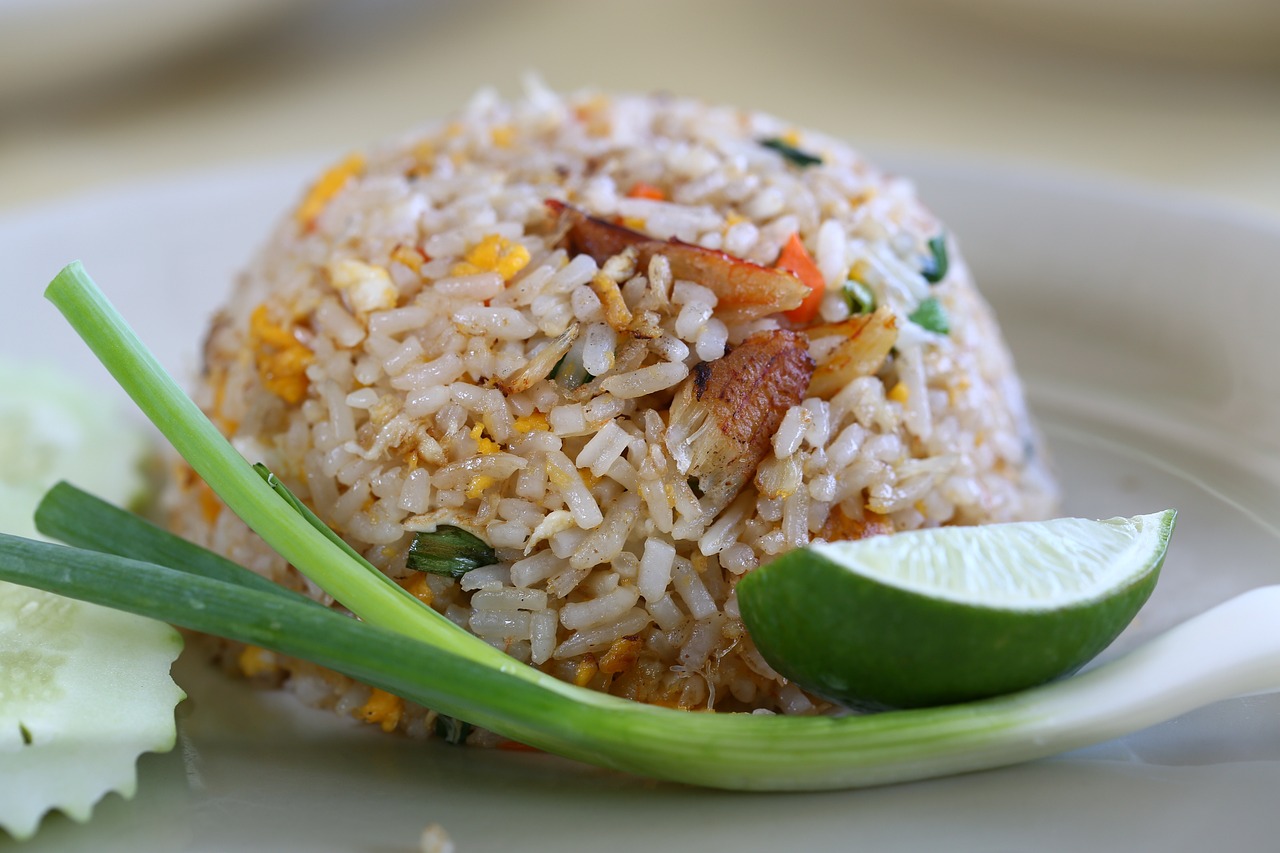
✨ The Joy of Culinary Adventure at Home
There’s something deeply satisfying about creating a Thai curry that tastes like your favorite restaurant version, or perfecting homemade tacos that rival your local taqueria—all in less time than it would take to order delivery.
Quick global cooking isn’t about cutting corners or settling for mediocre approximations. It’s about understanding that great food doesn’t require hours of effort when you combine quality ingredients, proper techniques, and bold seasonings. Every cuisine has developed its own solutions to the universal challenge of feeding families delicious meals with limited time and resources.
By learning from these diverse culinary traditions, you’re not just expanding your cooking skills—you’re developing a more intuitive understanding of how flavors work together, how to balance dishes, and how to create satisfaction from simple ingredients. These lessons transcend any individual recipe and transform you into a more confident, creative cook.
The world of global cuisine offers endless possibilities for weeknight meals that excite rather than exhaust. With a thoughtfully stocked pantry, a few essential techniques, and willingness to experiment, you can travel the world from your kitchen every single night—delivering variety, nutrition, and genuine deliciousness in 30 minutes or less. Your weeknight dinners will never be boring again. 🌏