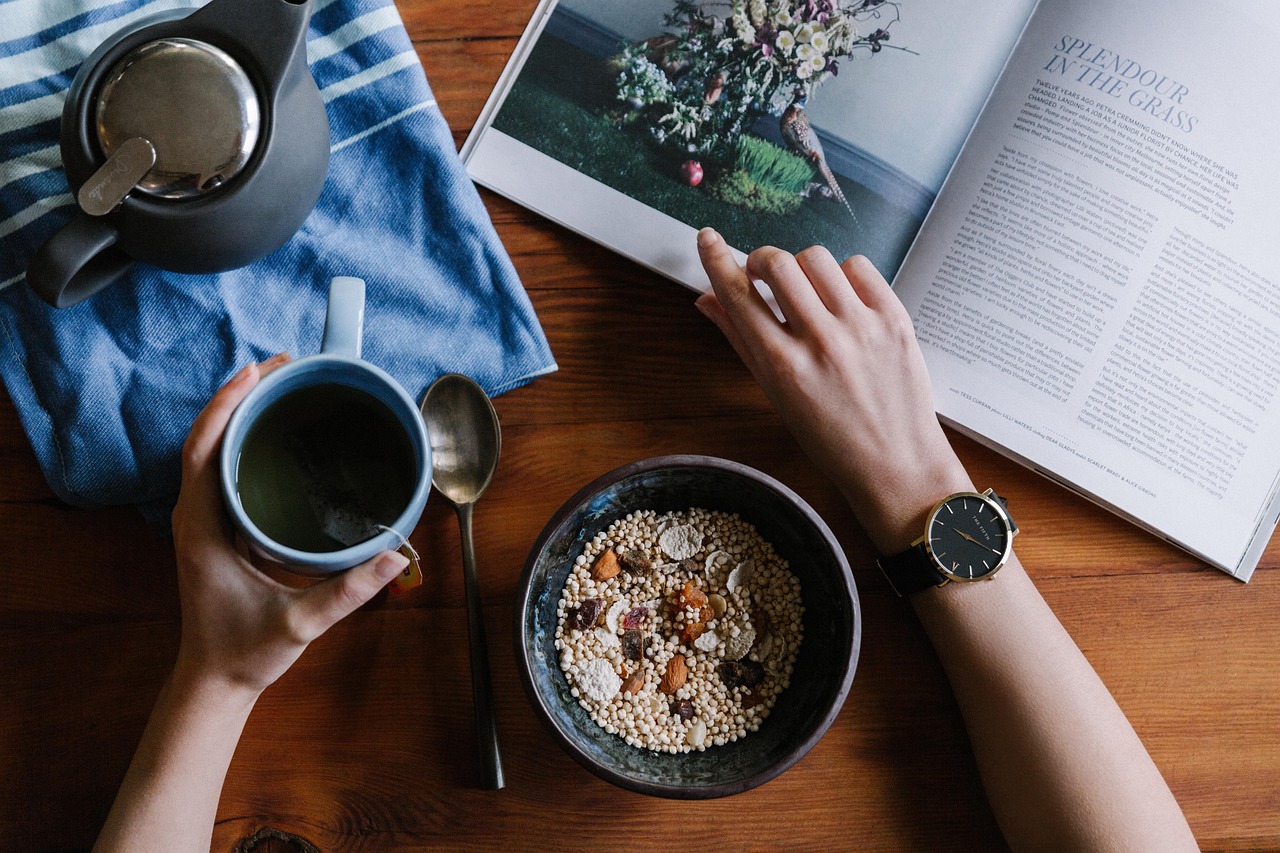
Bringing the family together around the dinner table creates memories that last a lifetime, especially when exploring flavors from around the world.

In today’s interconnected world, introducing your children to diverse cuisines opens their minds to different cultures while expanding their palates beyond chicken nuggets and pasta. Family-friendly international recipes don’t need to be complicated or expensive—they simply need to celebrate authentic flavors while accommodating younger taste buds. This culinary journey will transform your kitchen into a passport to global gastronomy, where every meal becomes an adventure and every bite tells a story from distant lands.
🌍 Why Global Cuisine Matters for Families
Exposing children to international flavors creates adventurous eaters who appreciate cultural diversity. When families cook together using recipes from different countries, they’re not just preparing meals—they’re building bridges of understanding across continents. Research shows that children who regularly experience diverse foods are more likely to try new things and develop healthier eating habits throughout their lives.
Global cooking also provides educational opportunities disguised as family fun. Geography lessons become tangible when you’re making Moroccan tagine or Japanese onigiri. History comes alive through the stories behind traditional dishes, and math skills sharpen when converting measurements or doubling recipes.
Beyond education, international cooking strengthens family bonds. The collaborative nature of preparing unfamiliar dishes encourages communication, patience, and teamwork. Children feel proud contributing to meals that challenge everyone’s comfort zones, and parents model curiosity and openness to new experiences.
🍝 European Comfort Foods with Kid Appeal
Italian Margherita Pizza from Scratch
Nothing beats homemade pizza, and the classic Margherita version from Naples offers simplicity that children love. The dough-making process becomes playtime as little hands knead and stretch. With just tomato sauce, fresh mozzarella, basil, and olive oil, this recipe teaches that quality ingredients trump complicated preparations.
Let children create their own individual pizzas, which increases their investment in eating the final product. The colors of the Italian flag—red, white, and green—make this dish visually appealing and provide a conversation starter about Italy’s geography and culture.
Spanish Tortilla Española
This potato and egg dish represents Spanish home cooking at its finest. The thick omelet requires only potatoes, eggs, onions, olive oil, and salt, making it budget-friendly and accessible. Children can help peel potatoes and whisk eggs, learning basic cooking techniques while preparing an authentic European dish.
Served at room temperature, tortilla española works perfectly for picky eaters who prefer foods that aren’t steaming hot. Cut into squares, it becomes finger food ideal for little hands, and leftovers make excellent lunch box additions.
British Shepherd’s Pie
This hearty casserole combines ground meat with vegetables under a blanket of creamy mashed potatoes. The comfort food factor appeals to children while introducing them to British culinary traditions. The layered structure makes it visually interesting, especially when you let kids create patterns in the potato topping with a fork.
Shepherd’s pie accommodates modifications easily—swap beef for lamb, add extra vegetables, or incorporate gravy for moisture. This flexibility teaches children that recipes serve as guidelines rather than rigid rules, encouraging culinary creativity.
🌮 Latin American Flavor Adventures
Mexican Tacos with Build-Your-Own Bar
Tacos transform dinner into an interactive experience where everyone customizes their meal. Set up a taco bar with seasoned ground beef or chicken, alongside bowls of shredded cheese, lettuce, tomatoes, sour cream, and salsa. Children love assembling their own tacos, which gives them control over what they eat.
This approach introduces Mexican cuisine gradually, allowing cautious eaters to start with familiar ingredients before branching out to pico de gallo, guacamole, or pickled jalapeños. Soft flour tortillas work better for younger children than hard shells that shatter on first bite.
Brazilian Pão de Queijo (Cheese Bread)
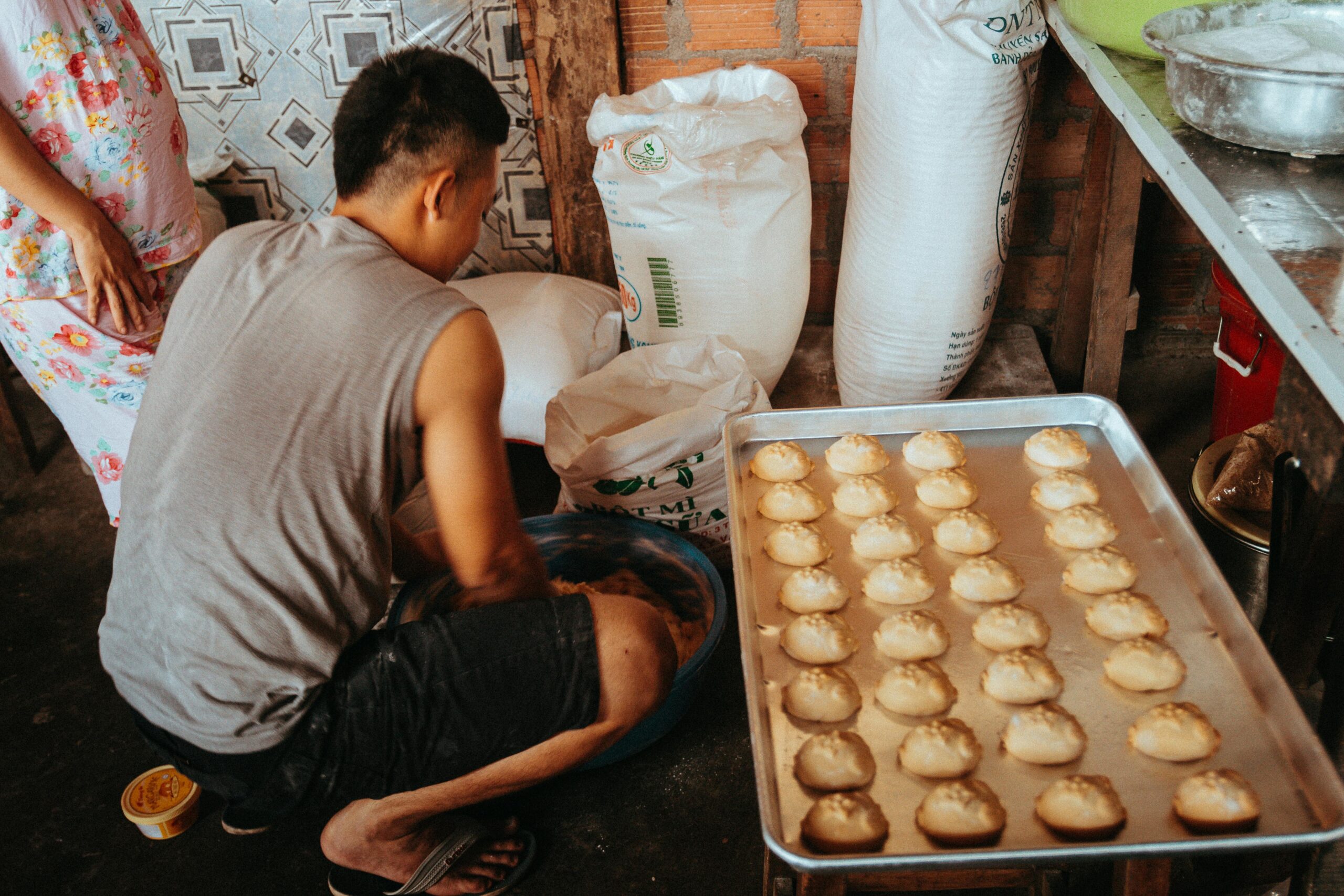
These addictive cheese puffs from Brazil require only tapioca flour, eggs, milk, oil, and cheese. The naturally gluten-free recipe accommodates various dietary needs while delivering chewy, cheesy goodness that children devour. The batter comes together in minutes using a blender, making this an achievable weeknight option.
Pão de queijo introduces children to tapioca flour’s unique properties and Brazil’s culinary contributions. Serve these warm from the oven for breakfast, snacks, or alongside soups and salads. The fun name alone sparks curiosity about Brazilian culture and language.
Peruvian Arroz con Pollo
This one-pot chicken and rice dish showcases Peru’s flavorful cuisine without overwhelming heat. Cilantro gives the rice its distinctive green color, which either intrigues or challenges young diners—either way, it becomes memorable. The complete meal contains protein, grains, and vegetables, satisfying nutritional requirements while exploring South American flavors.
Let children add the cilantro to the blender or stir the rice occasionally. These small contributions create ownership and pride in the finished dish, increasing the likelihood they’ll taste something outside their usual repertoire.
🍜 Asian Dishes That Welcome Young Palates
Japanese Chicken Teriyaki
The sweet-savory teriyaki sauce appeals to children while introducing them to Japanese flavor profiles. Homemade teriyaki sauce contains just soy sauce, mirin, sake (or water), and sugar—far healthier than store-bought versions laden with additives. Grilled or pan-fried chicken becomes glossy and caramelized, visually appealing and delicious.
Serve teriyaki chicken over rice with steamed vegetables for a complete meal that teaches balance and presentation. Children can brush sauce onto chicken pieces or arrange food on plates, developing fine motor skills alongside cultural appreciation.
Thai Peanut Noodles
Cold noodles coated in creamy peanut sauce bridge familiar flavors with Thai cuisine. Most children already enjoy peanut butter, making this an accessible entry point to Southeast Asian cooking. Rice noodles, peanut butter, soy sauce, lime juice, honey, and ginger create a sauce that’s both exotic and comforting.
Add shredded chicken, cucumber, carrots, and cilantro for adults while keeping it simple for children. The room-temperature serving style suits picky eaters, and the noodles work equally well as main dishes or side accompaniments.
Chinese Vegetable Fried Rice
Fried rice represents one of the most adaptable dishes across cuisines, perfect for using leftover rice and teaching children about food waste reduction. The Chinese version combines eggs, peas, carrots, and soy sauce with rice, creating a complete meal in one pan. Children can crack eggs, measure ingredients, and stir continuously—engaging them throughout the cooking process.
This recipe demonstrates the “wok hei” concept—the breath of the wok that gives fried rice its distinctive flavor. While few home kitchens achieve true wok hei, discussing this concept introduces children to cooking science and cultural techniques.
🥘 Middle Eastern and African Treasures
Lebanese Chicken Shawarma Wraps
The aromatic spice blend used in shawarma introduces warm flavors without overwhelming heat. Marinated chicken strips cook quickly and wrap easily in pita bread with vegetables and tahini sauce. Children can help mix spices, creating a sensory experience that connects them to Lebanese culinary traditions.
The wrap format provides familiarity while delivering exotic flavors. Like tacos, shawarma wraps allow customization, letting each family member adjust toppings and sauce quantities to their preference.
Moroccan Vegetable Couscous
Couscous cooks in minutes, making it perfect for busy families exploring North African cuisine. The tiny pasta absorbs flavors beautifully while providing a fun texture children find interesting. Combine couscous with roasted vegetables, chickpeas, raisins, and warm spices like cinnamon and cumin for an authentic Moroccan experience.
This dish teaches that not all vegetables require the same cooking times—a valuable lesson in planning and patience. The sweet-savory combination challenges Western palates accustomed to separating these flavor profiles, expanding culinary horizons.
South African Bobotie
This slightly sweet, mildly spiced ground meat casserole topped with savory custard represents South African comfort food. Curry powder, raisins, apricot jam, and chutney create complex flavors that remain approachable for children. The egg topping transforms into golden perfection, making bobotie as beautiful as it is delicious.
Serve bobotie over rice with banana slices, chutney, and coconut—traditional accompaniments that seem unusual to Western diners but create a balanced flavor experience. This meal opens conversations about South African history, wildlife, and cultural diversity.
🧁 Sweet Endings from Around the World
French Crêpes with Various Fillings
These thin pancakes become whatever you want—sweet or savory, breakfast or dessert. The simple batter requires just flour, eggs, milk, butter, and salt. Children love watching the batter swirl across the pan and transforming into delicate crêpes they can fill with Nutella, jam, fresh fruit, or whipped cream.
Crêpe-making develops patience and fine motor skills as children learn to flip without tearing. The French tradition of making wishes while flipping introduces cultural customs alongside cooking techniques.
Australian Lamingtons
These chocolate-coconut covered cake squares represent Australia’s national dessert. Sponge cake dipped in chocolate sauce and rolled in desiccated coconut creates texture and flavor combinations children find delightful. The process messy enough to be fun but simple enough for young helpers.
Lamingtons spark conversations about Australian culture, wildlife, and geography. Making them together creates memories while teaching that desserts from different countries can be just as special as familiar brownies or cookies.
📱 Making Global Cooking More Accessible
Modern technology simplifies international cooking through recipe apps, video tutorials, and ingredient sourcing tools. Several applications provide step-by-step guidance for preparing dishes from around the world, many with features specifically designed for family cooking.
Recipe apps often include ingredient substitution suggestions, which proves invaluable when preparing international dishes with limited access to specialty ingredients. Video demonstrations help children visualize techniques, and community features let families share their culinary adventures with others exploring global cuisines.
🛒 Sourcing International Ingredients Locally
Many ingredients once considered exotic now appear in mainstream supermarkets. Asian sauces, Mexican spices, and Mediterranean staples occupy dedicated sections in most grocery stores. For more specialized items, international markets provide authentic ingredients alongside cultural experiences that enhance your family’s culinary journey.
Online retailers ship specialty ingredients nationwide, eliminating geographical barriers to authentic cooking. However, many recipes adapt successfully using common substitutions—ground coriander replaces fresh cilantro, regular onions stand in for shallots, and white wine vinegar mimics rice vinegar sufficiently for most preparations.
Teaching children about ingredient substitutions develops problem-solving skills and resourcefulness. When the recipe calls for sumac but your pantry offers only lemon zest, you’re teaching adaptability alongside cooking.
🎨 Making Meals Instagram-Worthy (and Kid-Approved)
Presentation matters, especially when introducing unfamiliar foods. Colorful plates capture children’s attention and increase willingness to try new things. Arrange foods into patterns, use contrasting colors, and serve appropriate portions on child-sized plates to avoid overwhelming young eaters.
Let children participate in plating, which transforms them from passive recipients into active creators. This investment increases the likelihood they’ll taste their creations, even when ingredients challenge their comfort zones.
Photographing meals together creates documentation of your family’s culinary journey. These photos become conversation starters, memory triggers, and evidence of growing adventurousness over time. Children love looking back at dishes they once refused but now enjoy, seeing their own growth in tangible form.
🌟 Building Weekly International Meal Plans
Designating specific nights for different world regions creates structure and anticipation. “Taco Tuesday” expands into “Latin America Tuesday,” while “Stir-Fry Friday” becomes “Asian Adventure Friday.” This approach ensures regular exposure to diverse cuisines without overwhelming the family schedule.
Rotate continents weekly or monthly, diving deep into one region’s culinary traditions before moving to another. This focused exploration allows families to develop familiarity with specific flavor profiles, ingredients, and cooking techniques before expanding further.
Involve children in meal planning by letting them choose countries or dishes from a pre-approved list. This agency increases excitement and cooperation, transforming dinner from something imposed by parents into a family adventure everyone shapes together.
🎓 Educational Extensions Beyond the Kitchen
Each international meal provides springboards for deeper learning. After cooking Italian, watch a documentary about Venice or Rome. Following a Japanese dinner, explore origami or basic Japanese phrases. Moroccan night might include looking at photographs of the Sahara Desert or reading stories set in Marrakech.
Create a world map in your kitchen or dining room, marking each country as you cook its cuisine. This visual representation helps children understand geography while celebrating your family’s culinary achievements. Add photos of dishes alongside country markers for personalized decoration.
Books set in different countries pair perfectly with corresponding cuisines. Reading “Heidi” while eating Swiss fondue or “The Thief Lord” alongside Italian risotto enriches both experiences, creating multisensory learning that sticks with children far longer than isolated lessons.
💡 Overcoming Common Challenges
Picky eating represents the biggest obstacle for families exploring international cuisines. Combat this by introducing new flavors gradually, pairing unfamiliar foods with beloved staples, and never forcing children to eat anything. The “one bite rule” works better than pressure—require just one taste, then allow children to decide whether they want more.
Budget constraints limit some families’ ability to purchase specialty ingredients or experiment with potentially wasted food. Start with recipes using mostly pantry staples, adding just one or two special ingredients per dish. Many international recipes actually cost less than typical American meals, relying on beans, grains, and vegetables rather than expensive proteins.
Time limitations challenge busy families wanting to cook internationally. Choose recipes requiring minimal preparation or use slow cookers for hands-off cooking. Many international dishes actually prioritize simplicity—Italian cuisine famously relies on quality ingredients prepared simply rather than complex techniques.
🏆 Celebrating Your Family’s Culinary Growth
Track your international cooking adventures through journals, photo albums, or digital logs. Note which dishes became family favorites, which ingredients challenged expectations, and how reactions changed over repeated exposures. This documentation creates a unique family history centered around food and cultural exploration.
Host international dinner parties where children present dishes to friends or extended family, explaining the country of origin and cooking process. These events build confidence, public speaking skills, and pride in accomplishments while sharing cultural knowledge with your community.
Consider preparing the same dish multiple times over months or years, documenting how execution improves and preferences evolve. This practice teaches persistence, skill development, and the value of practice—lessons extending far beyond the kitchen into all areas of life.
The journey of exploring global cuisines with your family creates more than full bellies—it builds open minds, adventurous spirits, and lasting memories. Every dish tells a story, every flavor represents a culture, and every meal together strengthens the bonds that make your family unique. Start tonight with one recipe from one country, and begin an adventure that could last a lifetime, one delicious bite at a time.