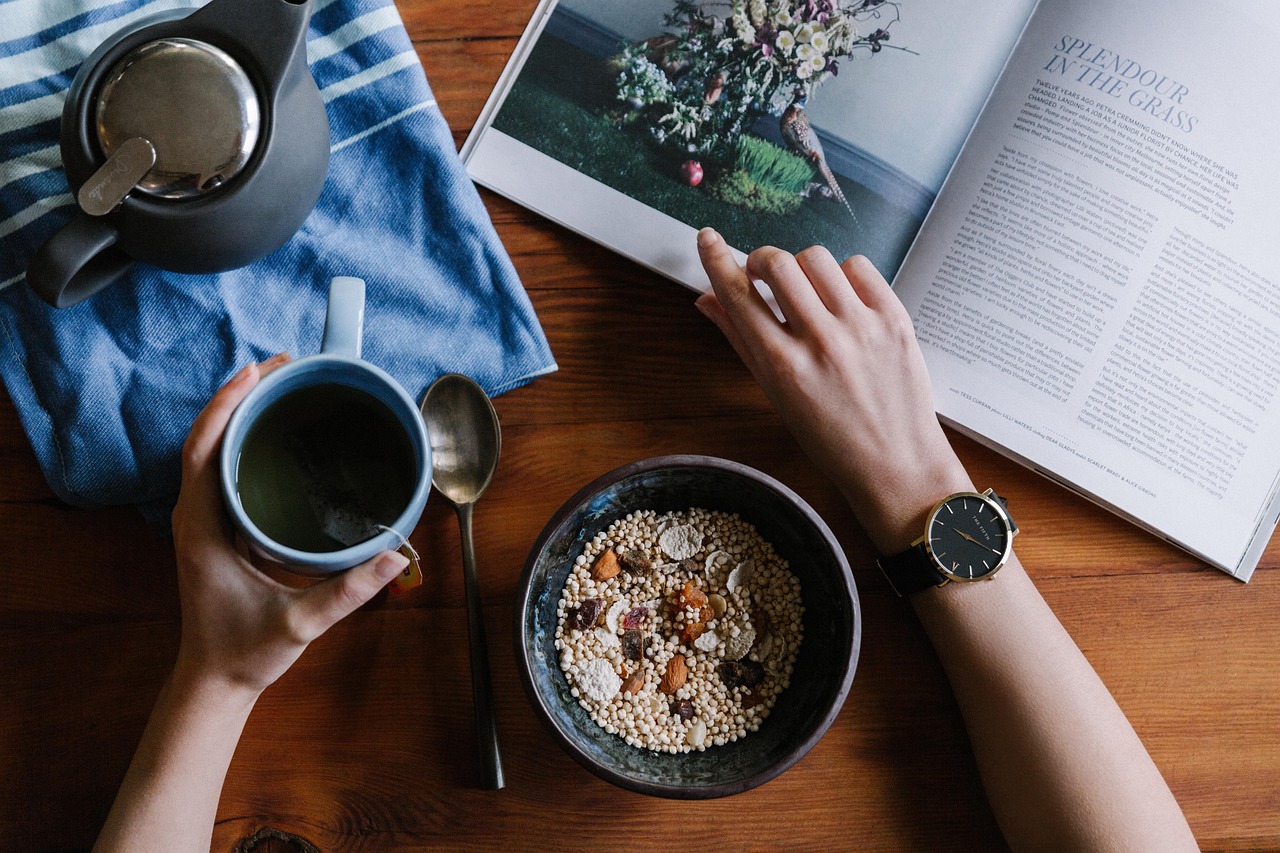
Imagine reclaiming your evenings and weekends while still enjoying delicious, home-cooked meals throughout the week. Meal prep planning transforms chaotic kitchen sessions into organized, stress-free cooking experiences.

The modern lifestyle demands efficiency without sacrificing quality, especially when it comes to nourishing ourselves and our families. Many people struggle with the daily question of “what’s for dinner?” leading to expensive takeout orders, unhealthy fast food choices, and unnecessary stress. A well-structured meal prep planning template eliminates these challenges by providing a roadmap for your weekly meals, grocery shopping, and kitchen time management.
Whether you’re a busy professional, a parent juggling multiple responsibilities, or simply someone looking to eat healthier while saving time and money, implementing a strategic meal prep system will revolutionize your relationship with cooking. This comprehensive guide will walk you through creating and utilizing the ultimate meal prep-friendly planning template that fits seamlessly into your lifestyle.
🎯 Why Meal Prep Planning Changes Everything
The benefits of structured meal preparation extend far beyond simply having food ready to eat. When you adopt a systematic approach to planning your meals, you’re investing in multiple aspects of your wellbeing simultaneously.
Time savings represent one of the most significant advantages. Instead of cooking from scratch every single day, you concentrate your cooking efforts into one or two focused sessions per week. This approach can save you 5-10 hours weekly—time you can redirect toward hobbies, family, exercise, or relaxation.
Financial benefits accumulate quickly with proper meal prep planning. The average household can reduce food expenses by 25-40% simply by planning meals, buying strategically, and eliminating food waste. You’ll stop making multiple grocery store trips, resist impulse purchases, and use ingredients before they spoil.
Health improvements naturally follow when you control what goes into your meals. Meal prep planning allows you to balance macronutrients, control portion sizes, and avoid the excess sodium, sugar, and unhealthy fats found in restaurant meals and processed foods.
📋 Essential Components of an Effective Meal Prep Template
A comprehensive meal prep planning template should include several key sections that work together to streamline your entire cooking workflow. Understanding these components helps you customize a system that matches your specific needs.
Weekly Meal Calendar
The foundation of any meal prep template is a clear weekly calendar that displays all meals you plan to prepare. This visual overview should include breakfast, lunch, dinner, and snacks for each day of the week. Color-coding different meal types or family members can make this section even more user-friendly.
Your calendar should also note which meals will be completely prepped in advance, which will use prepped ingredients, and which might be fresh-cooked on the day. This distinction helps you balance convenience with variety throughout the week.
Master Recipe Collection
Maintain a curated list of your go-to meal prep recipes—dishes that reheat well, store safely, and your household actually enjoys eating. Include preparation time, cooking time, storage instructions, and reheating guidelines for each recipe.
Organize recipes by category: proteins, grain bowls, soups and stews, salads, breakfast options, and snacks. This organization makes it easier to mix and match components when planning your week.
Automated Shopping List Generator
Your template should seamlessly convert your meal plan into a comprehensive shopping list organized by store section. This feature eliminates the frustration of forgetting ingredients and making multiple store trips.
Include a pantry staples checklist that you review before shopping each week. Items like olive oil, spices, rice, and canned goods should be monitored so you never run out of essentials mid-recipe.
Prep Schedule Timeline
A detailed timeline breaks down your prep session into manageable tasks, preventing overwhelm and maximizing efficiency. List tasks in strategic order—what goes in the oven first, what can be prepared while other items cook, and what requires active attention versus passive cooking time.
🛠️ Building Your Personalized Meal Prep System
Creating a meal prep routine that actually sticks requires matching the system to your lifestyle, not the other way around. Consider these factors when developing your personalized approach.
Assess Your Weekly Schedule
Examine your typical week honestly. Which days are most hectic? When do you have a few consecutive hours for prep work? Most people find success with Sunday afternoon or evening prep sessions, but your optimal timing might be Saturday morning, Wednesday evening, or even split between two shorter sessions.
Identify meals that need the most attention. Perhaps breakfast is your easiest meal and requires minimal planning, while dinners need comprehensive prep. Adjust your template focus accordingly.
Determine Your Prep Style
Different approaches work for different people. Some prefer batch cooking complete meals and portioning them into containers for grab-and-go convenience. Others prefer ingredient prep—washing and chopping vegetables, cooking grains, preparing proteins—then assembling fresh meals daily using prepped components.
A hybrid approach combines both methods, with some fully prepared meals for your busiest days and prepped ingredients for days when you have time to cook but appreciate the head start.
Storage and Container Strategy
Invest in quality storage containers that suit your meal prep style. Glass containers are durable, microwave-safe, and don’t retain odors, though they’re heavier and more expensive. BPA-free plastic containers are lightweight and affordable but may stain or warp over time.
Consider various sizes: individual portion containers for grab-and-go meals, larger containers for ingredient storage, and sectioned containers for meals with components you want to keep separate until eating.
📱 Digital Tools That Enhance Meal Prep Planning
While paper templates work wonderfully for some people, digital tools offer additional functionality that can elevate your meal prep game. Various applications and platforms provide features specifically designed for meal planning efficiency.
Digital meal planning apps often include built-in recipe databases, automatic nutritional calculations, smart shopping lists that remember your preferences, and the ability to save and repeat successful meal plans with a few taps. Many also offer family sharing features so everyone in the household can see the weekly menu.
Cloud-based templates created in Google Sheets or Notion allow you to access your meal plan from anywhere—at the grocery store, at work, or while traveling. These platforms also make it easy to update your plan on the fly when circumstances change.
🥗 Meal Prep Strategies for Different Dietary Approaches
Your meal prep template should adapt to your nutritional goals and dietary preferences. Here’s how to tailor your approach for various eating styles.
Balanced Macro Approach
For those focused on balanced nutrition, your template should help you track protein, carbohydrates, and healthy fats across the week. Create mix-and-match bowls with a protein base (chicken, tofu, fish), complex carb (quinoa, sweet potato, brown rice), and plenty of vegetables with a healthy fat source.
This modular approach prevents boredom while ensuring nutritional balance. You might prep three proteins, four carb options, and six different vegetable preparations, then combine them differently throughout the week.
Plant-Based Meal Prep
Vegan and vegetarian meal prep requires special attention to protein variety and nutrient density. Your template should ensure you’re incorporating diverse plant proteins throughout the week: legumes, tofu, tempeh, seitan, and whole grains.
Batch-cook large portions of beans, lentils, and chickpeas that serve as foundations for multiple meals. Prepare versatile sauces and dressings that add flavor variety to similar base ingredients.
Low-Carb and Keto Planning
Low-carb meal prep templates emphasize proteins, healthy fats, and non-starchy vegetables. Include a variety of preparation methods to prevent monotony—roasted, sautéed, grilled, and raw vegetables keep meals interesting.
Prepare fat-rich components like guacamole, cheese portions, nuts, and keto-friendly sauces to add satisfaction and meet your macronutrient targets. Hard-boiled eggs, pre-cooked bacon, and rotisserie chicken serve as convenient protein options.
⏰ Time-Saving Techniques for Efficient Prep Sessions
Maximizing efficiency during your prep session means you spend less time in the kitchen while producing more meals. These strategies help you work smarter, not harder.
Multi-task with purpose by using all available cooking surfaces simultaneously. While your oven roasts vegetables and proteins, use stovetop burners for grains and sauces. If you have an Instant Pot or slow cooker, add another dimension to your parallel cooking efforts.
Prep in logical sequence rather than recipe by recipe. Wash and chop all vegetables at once. Season and prepare all proteins together. Cook all grains in succession. This assembly-line approach reduces the mental load and physical transitions between tasks.
Use cooking methods that require minimal attention. Sheet pan meals, slow cooker recipes, and Instant Pot dishes allow you to set and forget while you tackle other prep tasks. These hands-off methods are meal prep goldmines.
Clean as you go to prevent end-of-session burnout. Keep a large bowl for scraps, wipe counters between tasks, and load the dishwasher throughout your prep session. Finishing with a clean kitchen makes the entire experience more enjoyable and sustainable long-term.
🍱 Practical Meal Prep Template Examples
Seeing concrete examples helps you visualize how a meal prep template functions in real life. Here are sample frameworks for different situations.
The Busy Professional Template
This template prioritizes speed and simplicity with five identical breakfasts, five similar lunches with minor variations, and five dinners that require minimal assembly. Sunday prep includes overnight oats jars for breakfast, grain bowl components for lunch, and proteins with simple sides for dinner.
The shopping list focuses on versatile ingredients that work across multiple meals, minimizing both shopping time and food waste. This approach takes approximately 2-3 hours on Sunday and eliminates weekday cooking stress entirely.
The Family-Friendly Template
Families require more variety to satisfy different preferences and ages. This template includes customizable components where each family member can personalize their plate. Prep includes several protein options, multiple vegetable preparations, and different carbohydrate choices.
The schedule accommodates different eating times—perhaps kids eat earlier while adults eat later. Breakfast and lunch might be grab-and-go, while dinners are assembled fresh using prepped ingredients to maintain that home-cooked feel families value.
The Fitness-Focused Template
Athletes and fitness enthusiasts need precise portion control and macronutrient tracking. This template includes weight measurements for all components and calculates nutritional information for each meal.
Prep includes carefully portioned proteins, measured carbohydrate servings, and vegetable quantities that support training goals. Different meal sizes accommodate training days versus rest days, ensuring appropriate fuel for activity levels.
🚧 Common Meal Prep Pitfalls and Solutions
Even with the best template, certain challenges can derail your meal prep efforts. Anticipating these obstacles helps you navigate them successfully.
Flavor Fatigue
Eating identical meals repeatedly becomes boring quickly. Combat this by using different seasonings, sauces, and preparation methods even when using the same base ingredients. Prepare one protein three ways, or make several sauce varieties to transform similar meals throughout the week.
The “theme night” approach also helps—Mexican Monday, Mediterranean Tuesday, Asian-inspired Wednesday—providing structure while maintaining variety.
Texture Degradation
Some foods simply don’t reheat well. Avoid preparing meals with ingredients that become soggy, rubbery, or mealy after storage. Research which recipes specifically work well for meal prep rather than trying to adapt all your favorites.
Store components separately when texture is crucial. Keep dressings separate from salads, store crispy toppings apart from moist dishes, and undercook vegetables slightly since they’ll continue cooking during reheating.
Prep Session Burnout
Attempting to prep too many meals or too many complicated recipes leads to exhaustion and abandoning the practice altogether. Start smaller than you think necessary—perhaps just lunches for the week, or dinners for three days.
Choose at least half of your recipes from your “easy wins” category—dishes you’ve made before and know you can execute efficiently. Save experimental recipes for regular cooking nights, not prep sessions.
📊 Measuring Success and Adjusting Your System
Your meal prep template should evolve based on what’s working and what isn’t. Regular assessment ensures continuous improvement.
Track key metrics weekly: Did you actually eat the meals you prepared? How much food was wasted? Did you resort to takeout, and if so, why? How much time did prep take compared to your previous cooking routine?
Keep notes about which recipes your household loved versus those that didn’t get eaten enthusiastically. Build your meal rotation around proven winners while occasionally testing new options.
Adjust portion sizes based on actual consumption. You might discover you’re preparing too much or too little of certain items. This refinement reduces waste and ensures everyone gets adequate nutrition.
🌟 Taking Your Meal Prep to the Next Level
Once you’ve mastered basic meal prep planning, advanced strategies can further optimize your system and results.
Seasonal meal planning aligns your template with available produce, ensuring better flavor, nutrition, and value. Update your master recipe collection quarterly to reflect what’s fresh and abundant.
Bulk buying and freezer utilization expand your meal prep timeline beyond one week. When proteins go on sale, buy larger quantities, prep them, and freeze portions for future weeks. This approach requires more upfront investment but significantly reduces long-term costs.
Community meal prep with friends or family multiplies efficiency. Each person prepares larger batches of one or two recipes, then everyone exchanges portions. You invest the same prep time but receive greater variety.
Establish a rotating schedule where certain recipes appear on the same week each month. This creates predictability for shopping and prep while maintaining enough variety to prevent boredom.
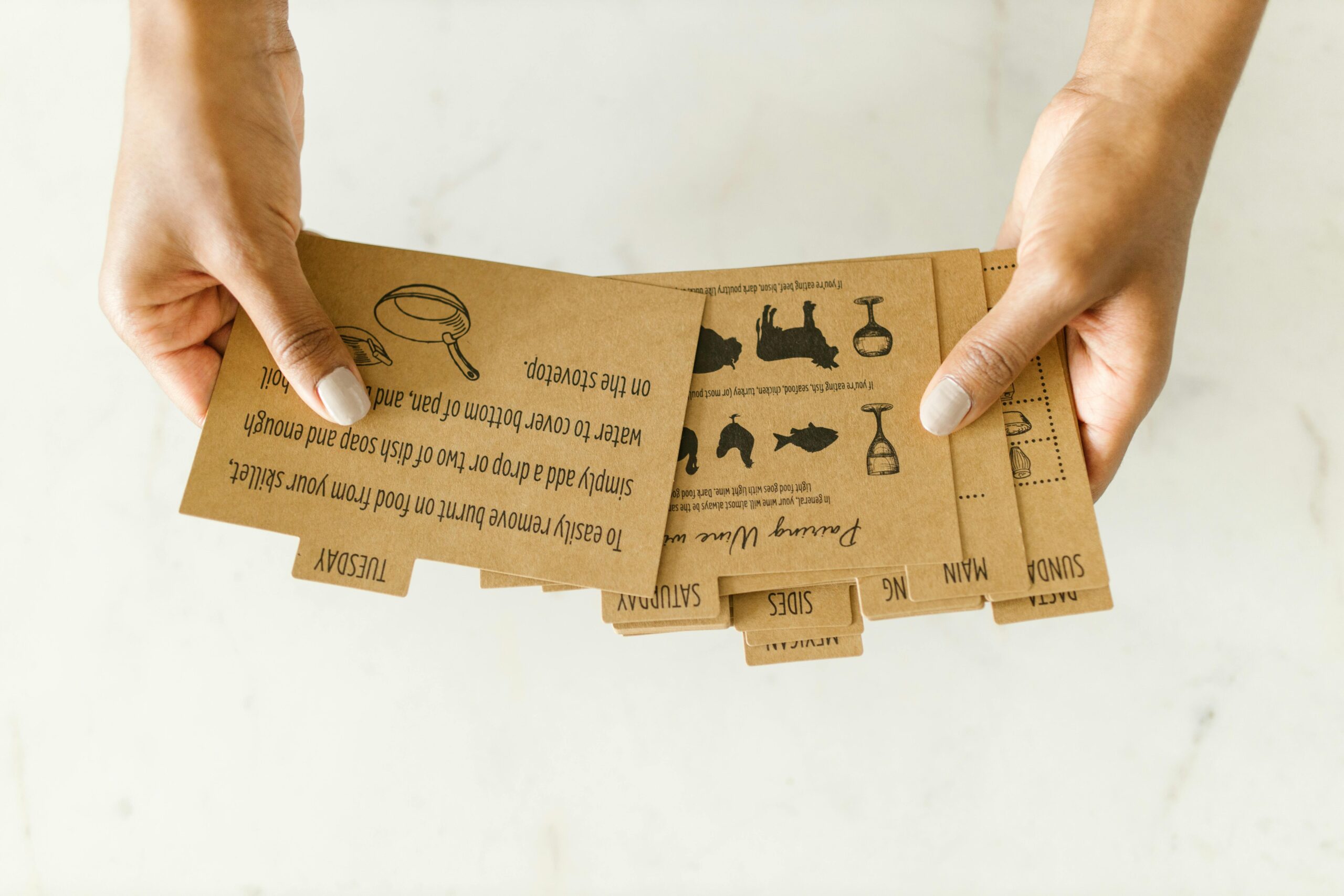
💪 Making Meal Prep Planning a Lasting Habit
The most sophisticated template is worthless if you don’t consistently use it. Building lasting habits requires intentional effort and smart strategies.
Schedule your planning time like any other important appointment. Sunday morning with coffee, Friday evening while unwinding from the work week—whatever timing works becomes your sacred meal planning moment.
Start each planning session by reviewing the previous week. What worked well? What would you change? What ingredients need to be used up? This reflection takes just five minutes but dramatically improves your ongoing results.
Build in flexibility and grace. Life happens—plans change, unexpected events arise, motivation fluctuates. Your template should accommodate the occasional skip week or simplified version without making you feel like you’ve failed.
Celebrate your wins, both large and small. Successfully prepped all week? Tried a new recipe that became a family favorite? Reduced your grocery bill? Acknowledge these victories to reinforce the positive behavior.
The journey to stress-free cooking through meal prep planning isn’t about perfection—it’s about progress. Your ultimate template is the one you’ll actually use consistently, adapted to your life, preferences, and goals. Start simple, remain patient with yourself during the learning curve, and trust that each week of planning builds skills and confidence that make the entire process easier and more rewarding. With the right template and commitment to the process, you’ll transform your relationship with cooking, reclaim precious time, improve your nutrition, and significantly reduce daily stress around meals. 🎉