
Weekly meal planning transforms how you approach food, saving time, money, and stress while keeping your dietary goals firmly on track. When done right, it becomes a powerful tool that eliminates decision fatigue and supports sustainable healthy eating habits.

The journey to mastering your meals begins with understanding that planning doesn’t mean restriction or boring repetition. Instead, it’s about creating a flexible framework that adapts to your lifestyle, preferences, and nutritional needs. Whether you’re aiming for weight loss, muscle gain, better energy levels, or simply more organized eating, strategic weekly planning is your foundation for success.
🎯 Understanding Your Dietary Goals Before You Plan
Before diving into meal planning mechanics, you need absolute clarity on what you’re trying to achieve. Vague intentions like “eat healthier” won’t provide the direction necessary for effective planning. Instead, define specific, measurable goals that guide your food choices throughout the week.
Your dietary goals might include hitting specific macronutrient ratios, consuming a certain number of calories, increasing protein intake, reducing processed foods, or managing a medical condition through nutrition. Each goal requires different planning strategies and food selections.
Consider also your lifestyle factors: work schedule, family obligations, cooking skills, budget constraints, and food preferences. A meal plan that doesn’t align with your real-world circumstances will fail regardless of how nutritionally perfect it appears on paper.
The Foundation of Effortless Weekly Planning
Successful meal planning relies on establishing consistent systems rather than reinventing everything each week. Start by designating a specific planning day—most people find Sunday or Saturday works best—when you’ll dedicate 30-60 minutes to mapping out your upcoming meals.
Create a master list of meals you enjoy that align with your dietary goals. This becomes your go-to resource, eliminating the blank-page syndrome that makes planning feel overwhelming. Organize these meals by protein source, preparation time, or meal type to make selection easier.
Building Your Planning Template
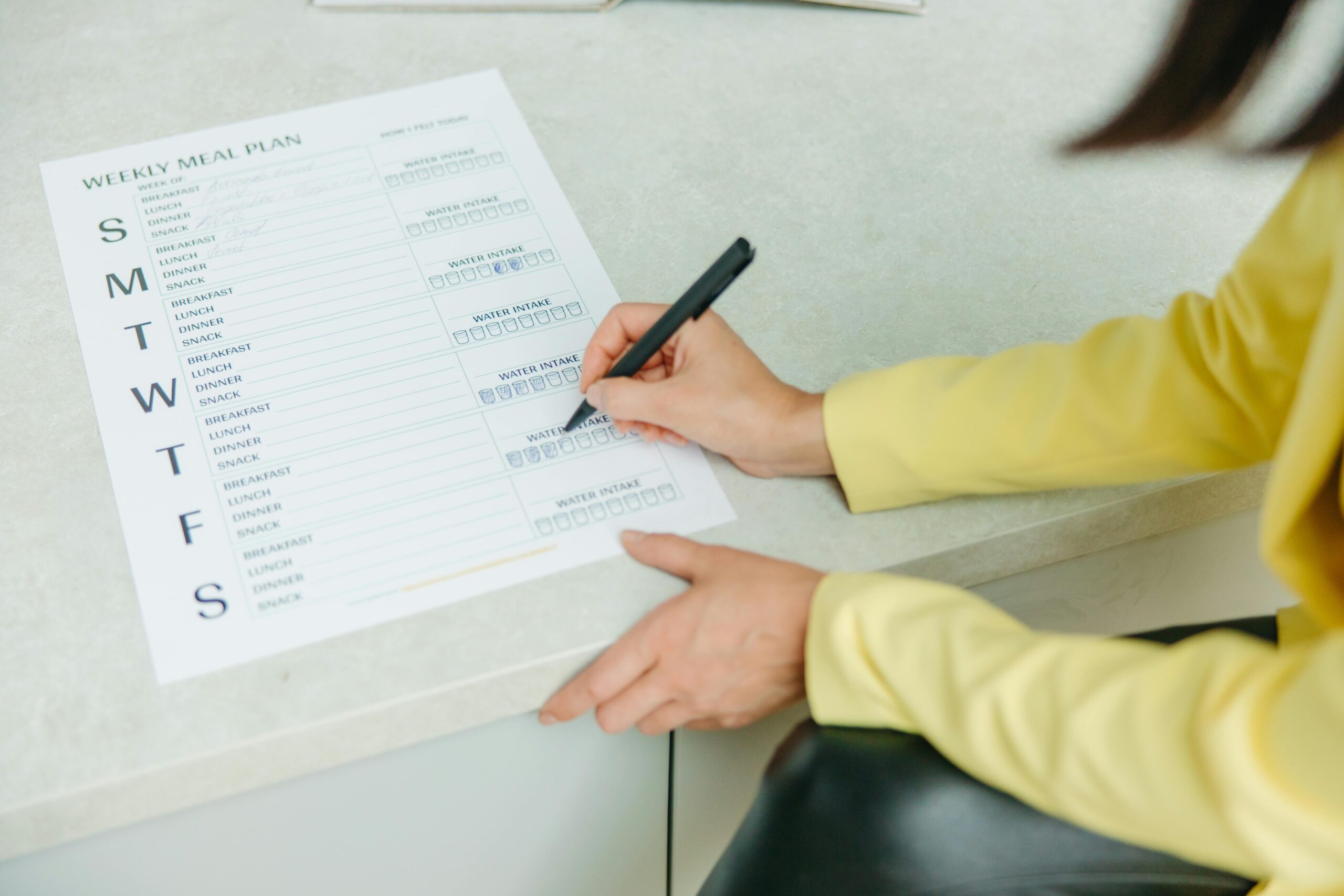
A structured template streamlines the planning process significantly. Your template should include breakfast, lunch, dinner, and snacks for each day of the week, with space for notes about prep requirements or special considerations.
Digital templates offer advantages like easy editing, copying previous weeks, and integration with shopping lists. However, some people prefer the tactile experience of paper planning. Choose whatever method you’ll actually use consistently.
Strategic Meal Selection for Your Week
When selecting meals for your week, think strategically about ingredient overlap. Using the same base ingredients in different ways reduces grocery costs, minimizes food waste, and simplifies shopping while maintaining variety.
For example, if you buy a large package of chicken breasts, plan for grilled chicken salads one night, chicken stir-fry another, and shredded chicken tacos a third time. The same protein appears in completely different meal contexts, preventing boredom without complicating your shopping list.
Balancing Complexity Throughout Your Week
Not every meal needs to be elaborate. Balance your week with a mix of simple and more involved recipes based on your schedule. Reserve quick 20-minute meals for busy weeknights and save more ambitious cooking projects for when you have extra time.
Consider implementing theme nights to simplify decision-making: Meatless Monday, Taco Tuesday, Slow-Cooker Wednesday, Seafood Thursday, Pizza Friday, and so on. These themes provide structure while still allowing creativity within each category.
🛒 Creating an Efficient Shopping System
Your meal plan directly generates your shopping list, eliminating impulse purchases and ensuring you have everything needed for the week ahead. Organize your shopping list by store sections—produce, proteins, dairy, pantry—to make shopping faster and more efficient.
Before finalizing your list, inventory what you already have at home. This prevents duplicate purchases and encourages using existing ingredients, which is especially important for reducing food waste and staying within budget.
Many dedicated meal planning apps can automatically generate shopping lists from your planned meals, categorize items by department, and even integrate with grocery delivery services for maximum convenience.
Smart Shopping Strategies
Shop with your list exclusively, avoiding aisles that don’t contain items you need. This strategy reduces temptation and keeps you focused on your planned meals and dietary goals.
Consider shopping online or using curbside pickup services to further minimize impulse decisions. The slight inconvenience of not browsing freely is offset by better adherence to your plan and significant time savings.
Batch Cooking and Meal Prep Techniques
Meal prep is where planning translates into tangible time savings during your busy week. Dedicate a few hours after shopping to preparing ingredients or complete meals that you’ll simply reheat when needed.
Your prep level depends on personal preference and available time. Some people prepare complete meals in portioned containers, while others prefer prepping just ingredients—washing and chopping vegetables, cooking grains, marinating proteins—leaving final assembly for mealtime.
Effective Batch Cooking Methods
Maximize efficiency by cooking multiple components simultaneously. While rice cooks on the stove, roast vegetables in the oven and grill proteins on a separate burner or outdoor grill. This parallel processing dramatically reduces total prep time.
Invest in quality storage containers that are microwave-safe, leak-proof, and stackable. Glass containers are ideal as they don’t absorb odors or stains and allow you to see contents at a glance, but quality plastic options work well too.
📊 Tracking Macros and Nutritional Goals
If your dietary goals involve specific nutritional targets, you’ll need systems for tracking what you’re actually consuming. Planning meals with nutritional awareness from the start makes daily tracking much simpler.
Calculate nutritional information for your planned meals during the planning phase, not while eating. This proactive approach ensures your weekly plan actually supports your goals before you’ve invested time in shopping and preparation.
| Goal Type | Primary Focus | Planning Priority |
|---|---|---|
| Weight Loss | Caloric deficit | Portion control, volume foods |
| Muscle Gain | Protein and surplus calories | Protein at each meal, nutrient timing |
| General Health | Nutrient diversity | Colorful produce, whole foods |
| Performance | Strategic macros | Carb timing, adequate protein |
Using Technology for Nutritional Tracking
Nutrition tracking apps simplify the process of monitoring your intake against goals. Many allow you to create recipes, save meals, and quickly log repeated items, making daily tracking take just minutes once your system is established.
Some apps integrate meal planning with nutritional tracking, providing a seamless experience from planning through execution. This integration ensures alignment between your planned nutritional targets and actual consumption.
Flexibility Within Structure
The most sustainable meal plans build in flexibility rather than rigid adherence. Life inevitably disrupts even the best plans with unexpected events, social invitations, or simple changes in appetite or cravings.
Build buffer meals into your weekly plan—simple options that use pantry staples or freezer items that can substitute when plans change. This prevents a single deviation from derailing your entire week or triggering the “I’ve already failed” mentality that leads to abandoning your plan entirely.
The Swap Strategy
When you can’t follow your plan exactly, implement the swap strategy: replace the planned meal with something of similar nutritional value rather than abandoning structure completely. If Tuesday’s salmon dinner doesn’t happen, swap it with Thursday’s chicken meal instead of ordering takeout.
This mental flexibility transforms meal planning from a rigid system that feels restrictive into an adaptable framework that serves you rather than controlling you.
🍳 Building Your Cooking Confidence
Many people avoid meal planning because they lack cooking confidence. The solution isn’t becoming a gourmet chef—it’s developing competence with a core repertoire of simple, reliable recipes that you can execute efficiently.
Start with genuinely simple recipes that have minimal ingredients and straightforward techniques. As these become second nature, gradually introduce slightly more complex dishes. This progressive approach builds genuine skill and confidence without overwhelming you.
Essential Cooking Skills for Meal Planners
Focus on mastering these fundamental techniques that apply across countless recipes:
- Properly seasoning food with salt, pepper, and basic herbs
- Cooking proteins to safe temperatures without drying them out
- Roasting vegetables to bring out natural sweetness
- Creating simple pan sauces from cooking drippings
- Cooking grains and legumes with proper liquid ratios
- Basic knife skills for efficient, safe chopping
These skills aren’t complicated, but they dramatically improve the quality and efficiency of your meal preparation, making planned meals genuinely enjoyable rather than merely functional.
Managing Meal Planning for Different Household Needs
Planning becomes more complex when accommodating multiple people with different preferences, schedules, or dietary requirements. The key is finding overlap where possible and building in personalization where necessary.
Create base meals that can be customized—taco bars where everyone builds their own, grain bowls with various toppings, or pasta dishes where proteins and sauces can be varied. This approach satisfies diverse preferences without requiring completely separate meal preparation.
Planning for Families with Children
When planning for families, include children in age-appropriate ways. Let them choose between approved options, help with simple prep tasks, or vote on weekly meal selections. This involvement increases their investment in eating what’s planned and reduces mealtime battles.
Keep convenience items on hand for truly chaotic days—rotisserie chicken, pre-washed salad greens, frozen vegetables—that still align with your nutritional goals but require minimal effort when energy is depleted.
Overcoming Common Meal Planning Obstacles
Even with perfect systems, you’ll encounter challenges. Anticipating common obstacles and having strategies ready prevents temporary setbacks from becoming permanent failures.
Meal boredom often strikes after several weeks of planning. Combat this by regularly rotating new recipes into your repertoire, exploring different cuisines, or challenging yourself to cook with an unfamiliar ingredient each week.
When Motivation Wanes
During periods of low motivation, simplify rather than abandon your system. Plan simpler meals, reduce your prep intensity, or rely more heavily on your easiest reliable recipes. Maintaining imperfect consistency beats perfect planning followed by complete abandonment.
Remember that meal planning serves you—you don’t serve the plan. If something isn’t working, adjust the system rather than forcing yourself into an ill-fitting structure.
💪 Leveraging Your Plan for Long-Term Success
The real power of weekly meal planning reveals itself over months and years, not just individual weeks. Consistent planning creates numerous compounding benefits that dramatically impact your relationship with food and your overall health.
You’ll develop intuitive knowledge about portion sizes, nutritional content, and how different foods affect your energy and wellbeing. This embodied wisdom becomes automatic, making healthy choices easier even when you’re not actively planning.
Tracking Progress Beyond the Scale
Measure meal planning success through multiple metrics beyond just weight or body composition. Track factors like energy levels, sleep quality, digestive comfort, food spending, time stress around meals, and overall diet satisfaction.
These holistic measures often improve before visible physical changes occur, providing motivation to continue when results feel slow. They also help you refine your planning approach based on what actually improves your quality of life.
Advanced Planning Strategies
Once basic meal planning becomes habitual, consider advanced strategies that further optimize the process. Monthly planning sessions where you outline themes and major meals for the entire month provide even more big-picture perspective.
Some planners maintain a rotation system with four different weekly plans that cycle throughout the month. This provides sufficient variety while minimizing the mental energy required for planning since you’re working from established templates rather than creating from scratch weekly.
Seasonal Eating Integration
Align your meal planning with seasonal produce availability. Seasonal ingredients are typically more affordable, flavorful, and nutritious, plus this approach naturally creates variety throughout the year as different items come into and go out of season.
Build your quarterly planning around what’s abundant during that season—hearty root vegetables and squashes in fall, citrus and brassicas in winter, fresh greens and berries in spring, and tomatoes and stone fruits in summer.
🎉 Making Meal Planning Sustainable Forever
The ultimate goal isn’t perfect meal planning for a few weeks or months—it’s developing a sustainable system that serves you for years. Sustainability comes from finding approaches that genuinely fit your life rather than forcing yourself into someone else’s ideal system.
Regularly evaluate what’s working and what isn’t. Perhaps Sunday planning doesn’t fit your schedule—try Wednesday evening instead. Maybe full meal prep feels overwhelming—focus just on ingredient prep. Continuous small adjustments keep your system aligned with your evolving life.
Celebrate your planning wins, even small ones. Successfully following your plan for a week, trying a new recipe, staying within budget, or simply reducing dinnertime stress all deserve recognition. These positive reinforcements strengthen the habit and make planning feel rewarding rather than obligatory.
Remember that mastering your meals through weekly planning is a skill that develops over time. Initial efforts might feel awkward or time-consuming, but persistence creates efficiency. Within weeks, you’ll find your rhythm. Within months, it becomes second nature. The investment in developing this skill pays dividends in health, time, money, and peace of mind for the rest of your life.