Meal prep has transformed the way millions approach healthy eating, turning chaotic weeknight dinners into stress-free, nutritious experiences. When combined with portion awareness, this practice becomes a powerful tool for achieving wellness goals while saving time and money.

The modern lifestyle leaves little room for daily cooking, making meal preparation more relevant than ever. By dedicating a few focused hours each week to planning and preparing your meals, you create a foundation for consistent healthy eating that fits seamlessly into even the busiest schedules.
🍱 Understanding the Foundation of Meal Prep Success
Successful meal prep begins with understanding your personal nutrition needs and lifestyle demands. Before diving into recipes and containers, assess your weekly schedule, dietary preferences, and specific health goals. This foundation ensures your meal prep routine becomes sustainable rather than just another abandoned wellness trend.
Portion awareness stands as the cornerstone of effective meal planning. Understanding appropriate serving sizes prevents both overconsumption and the frustration of feeling hungry between meals. Most adults need balanced portions that include palm-sized proteins, fist-sized carbohydrates, and plenty of vegetables filling half the plate.
The psychological benefits of meal prep extend beyond nutrition. Knowing your healthy meals await in the refrigerator eliminates daily decision fatigue and reduces the temptation to order takeout after exhausting days. This preparation creates a buffer against impulsive food choices that derail health goals.
Essential Tools and Containers for Portion-Controlled Prep
Investing in quality meal prep containers dramatically improves your planning success. Look for BPA-free, microwave-safe containers with multiple compartments that naturally guide portion sizes. Glass containers offer durability and don’t retain odors, while plastic options provide lightweight portability for on-the-go lifestyles.
A reliable food scale becomes your ally in mastering portion awareness. Digital scales measuring in both grams and ounces help you understand serving sizes accurately until visual estimation becomes second nature. This tool proves especially valuable for calorie-dense foods like nuts, oils, and grains where small differences significantly impact nutritional content.
Beyond containers and scales, quality sharp knives, cutting boards, and sheet pans streamline your prep sessions. A slow cooker or instant pot can simultaneously prepare proteins while you chop vegetables, maximizing efficiency during your dedicated prep time.
Container Size Strategy for Different Meals
Breakfast containers typically range from 2-3 cups, perfect for overnight oats, egg muffins, or chia pudding parfaits. Lunch and dinner require larger 3-4 cup containers with compartments separating proteins, carbohydrates, and vegetables. Snack-sized containers holding 1-2 cups keep nuts, cut vegetables, and hummus portions in check throughout the week.
📅 Creating Your Personalized Weekly Meal Plan
Effective meal planning starts with a realistic assessment of your week ahead. Review your calendar for social commitments, late meetings, or gym sessions that affect eating times. Plan simpler meals for busier days and save more elaborate preparations for when you have flexibility.
Theme-based planning simplifies decision-making while maintaining variety. Consider “Meatless Monday,” “Taco Tuesday,” or “Stir-fry Friday” as frameworks that streamline shopping and preparation. Within these themes, vary your vegetables, sauces, and preparation methods to prevent menu monotony.
Batch cooking forms the backbone of efficient meal prep. Prepare large quantities of versatile base components like grilled chicken, roasted vegetables, quinoa, and brown rice that combine differently throughout the week. This approach provides variety without requiring multiple complex recipes.
Balancing Macronutrients Across Your Week
Portion-aware planning ensures each meal delivers balanced nutrition. Aim for plates containing 40-50% vegetables, 25-30% lean protein, and 20-25% complex carbohydrates. Healthy fats from olive oil, avocados, or nuts should represent roughly 10-15% of your meal volume.
Track your macronutrient distribution across the week rather than obsessing over individual meals. Some days might skew higher in carbohydrates if you’re particularly active, while recovery days might emphasize protein. This flexible approach maintains balance without rigidity.
Smart Shopping: Building Your Prep-Friendly Grocery List
Strategic grocery shopping prevents both food waste and impulse purchases that derail healthy intentions. Organize your list by store sections—produce, proteins, grains, dairy—to streamline shopping trips. Buy versatile ingredients that serve multiple recipes throughout your weekly menu.
Seasonal produce offers superior flavor, nutrition, and value. Winter squashes, summer berries, spring asparagus, and fall Brussels sprouts taste better and cost less when purchased in season. Frozen vegetables provide convenient, nutritious backup options that prevent last-minute takeout orders.
Protein variety prevents meal fatigue while delivering different nutrient profiles. Rotate between chicken breast, ground turkey, fish, tofu, legumes, and eggs throughout the week. Buying proteins on sale and freezing portions extends budget flexibility while maintaining quality.
Pantry Staples That Power Meal Prep Success
A well-stocked pantry transforms simple ingredients into flavorful meals. Keep various whole grains like quinoa, brown rice, farro, and oats readily available. Canned beans, tomatoes, and coconut milk provide convenient protein and flavor bases. Olive oil, vinegars, soy sauce, and spice blends enable endless flavor variations without additional shopping trips.
🔪 The Ultimate Prep Session: Step-by-Step Execution
Designate a consistent prep day that aligns with your schedule—Sunday afternoons work well for most people, though any day works if protected consistently. Allocate 2-4 hours depending on your weekly meal complexity and the number of people you’re feeding.
Start your prep session by washing and chopping all vegetables at once. This assembly-line approach proves far more efficient than switching tasks repeatedly. Store prepped vegetables in containers with slightly damp paper towels to maintain freshness throughout the week.
Multitask strategically during cooking. While your oven roasts vegetables at 400°F, use stovetop burners for grains and proteins. If you have an instant pot or slow cooker, set them working first thing to maximize passive cooking time. This orchestrated approach compresses hours of cooking into efficient, simultaneous processes.
Optimal Cooking Order for Maximum Efficiency
Begin with foods requiring longest cooking times—roasted vegetables, baked proteins, or slow-cooked beans. While these cook, prepare quick-cooking items like sautéed greens or stovetop grains. Finish with no-cook items like salad assembly or portioning snacks. This sequence ensures nothing overcooks while waiting for your attention.
Portion Control Techniques That Actually Work
Visual portion guides eliminate the need for constant measuring once you develop the skill. Your palm determines protein portions (3-4 ounces), your fist represents carbohydrate servings (1 cup cooked), and your entire hand spread wide equals vegetable portions (2 cups). Your thumb from base to tip measures fat servings like nut butter or cheese.
Pre-portioning immediately after cooking prevents the “just a little more” mentality that gradually inflates serving sizes. Divide bulk-cooked foods into individual containers while still warm, allowing you to see exactly how many meals your prep session produced. This visibility helps refine future shopping and cooking quantities.
Calorie awareness complements portion control without requiring obsessive tracking. Understanding that a tablespoon of olive oil contains roughly 120 calories, a cup of cooked quinoa provides about 220 calories, and a palm-sized chicken breast offers approximately 165 calories helps you construct balanced meals intuitively.
🥗 Master Meal Prep Recipes for the Week
Sheet pan meals deliver maximum flavor with minimal effort. Combine protein sources with hardy vegetables like broccoli, cauliflower, bell peppers, and Brussels sprouts, all seasoned and roasted together. Vary your spice combinations—Italian herbs, curry powder, taco seasoning—to create entirely different meals from the same basic technique.
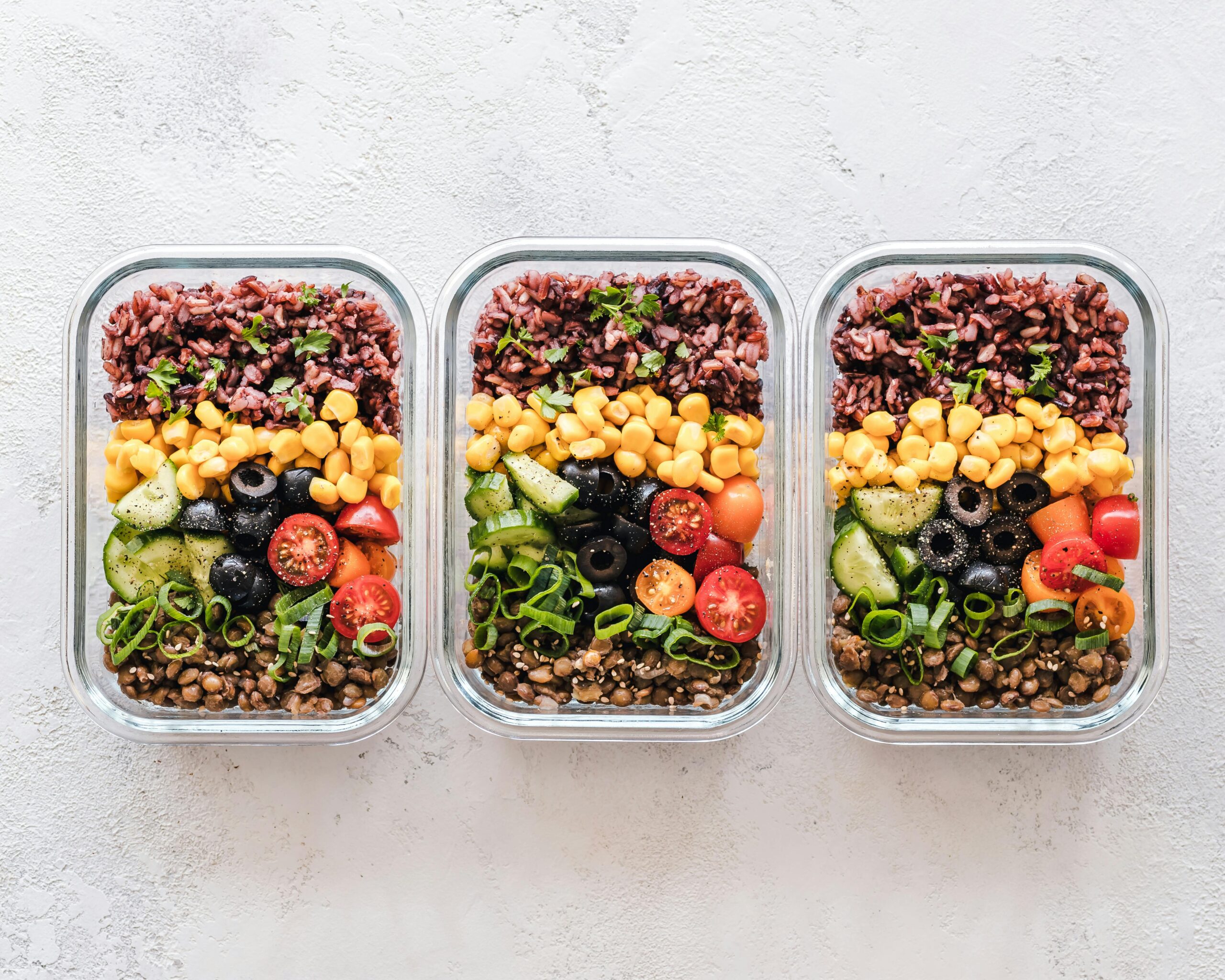
Grain bowls offer infinite customization within a consistent healthy framework. Build from a base of quinoa, brown rice, or farro, add roasted or raw vegetables, include a protein source, and finish with a flavorful dressing. Prepare each component separately, then mix and match throughout the week for variety.
Breakfast prep sets the tone for successful daily nutrition. Overnight oats combine rolled oats, milk, yogurt, and toppings in individual jars requiring zero morning effort. Egg muffins baked in batches reheat beautifully and provide portable protein. Chia pudding topped with berries and nuts delivers omega-3s and sustained energy.
Soup and Stew Strategies
One-pot meals like soups, stews, and chilis stretch ingredients while providing comfort and nutrition. These dishes often taste better after flavors meld overnight, making them ideal prep items. Portion into individual containers with appropriate serving sizes, or freeze half for future weeks when time runs short.
Storage Solutions for Maximum Freshness
Proper storage extends the life and quality of your prepped meals significantly. Most cooked proteins and grains stay fresh refrigerated for 4-5 days, while raw chopped vegetables last 3-4 days. Foods you won’t consume within this window should be frozen immediately after cooling to preserve quality.
Strategic container stacking maximizes refrigerator space while maintaining organization. Label containers with contents and preparation dates using removable labels or dry-erase markers on glass. Position meals you’ll eat first toward the front, with later-week options behind them.
Freezer-friendly meals expand your prep possibilities beyond a single week. Soups, casseroles, burritos, and cooked grains freeze exceptionally well for up to three months. Batch-cook double quantities every few weeks to build a frozen meal reserve for particularly hectic periods.
📱 Technology Tools to Enhance Your Meal Prep Game
Modern apps simplify meal planning, grocery shopping, and nutrition tracking. Meal planning apps provide recipe databases, automatic grocery list generation, and nutrition calculations that support portion-aware planning. Many include features for scaling recipes and tracking what’s already in your pantry.
Nutrition tracking apps help you understand how your meal prep aligns with specific health goals. While obsessive tracking isn’t necessary long-term, spending a few weeks logging meals builds awareness of portion sizes, macronutrient balance, and calorie distribution. This knowledge becomes intuitive over time, reducing the need for constant monitoring.
Smart kitchen scales with app connectivity take guesswork out of portioning. These devices calculate nutritional information as you measure ingredients, building your understanding of serving sizes while ensuring accuracy. The data syncs to tracking apps, streamlining the entire nutrition monitoring process.
Overcoming Common Meal Prep Challenges
Taste fatigue represents the most common complaint about meal prep. Combat this by preparing versatile base ingredients rather than complete identical meals. Cook plain proteins and grains, then vary your sauces, seasonings, and vegetable combinations each day. Tuesday’s chicken with Asian-inspired vegetables tastes completely different from Thursday’s same chicken over Mexican-style rice and beans.
Time constraints challenge beginners who underestimate prep session duration. Start small with just 3-4 meals rather than attempting full weekly preparation immediately. As your efficiency improves and you identify time-saving techniques, gradually increase your prep volume. Remember that even partial meal prep dramatically reduces weeknight stress.
Family members with different preferences require flexible planning. Prepare customizable meals where everyone builds plates from shared components. Taco bars, grain bowl stations, and deconstructed salads let each person adjust portions and combinations according to their tastes while you prep once.
When Meal Prep Gets Boring
Recipe rotation prevents monotony while maintaining prep efficiency. Develop a collection of 15-20 reliable recipes that rotate through your planning cycles. Every season, introduce 2-3 new recipes to keep things interesting while maintaining the comfort of proven favorites. This balance sustains long-term adherence without overwhelming complexity.
💪 Meal Prep for Specific Goals and Lifestyles
Weight loss meal prep emphasizes portion control and nutrient density. Fill half your containers with low-calorie, high-volume vegetables that satisfy without excess calories. Lean proteins and moderate complex carbohydrates complete the balance. Pre-portioned snacks prevent grazing that undermines calorie deficits.
Muscle building requires increased protein and strategic calorie surplus. Prepare slightly larger portions centered around lean proteins like chicken, fish, eggs, and legumes. Include calorie-dense healthy additions like sweet potatoes, quinoa, nuts, and avocado to support training demands without excessive eating volume.
Plant-based meal prep focuses on protein diversity to ensure complete amino acid profiles. Combine legumes with whole grains, include tofu or tempeh regularly, and don’t overlook protein-rich vegetables like broccoli and Brussels sprouts. Nutritional yeast, hemp seeds, and nut butters boost protein content while adding flavor variety.
Making Meal Prep a Sustainable Lifestyle Habit
Consistency trumps perfection in building lasting meal prep habits. Some weeks will go flawlessly; others will fall apart despite best intentions. Rather than abandoning the practice after imperfect weeks, simply resume with your next scheduled prep session. Progress comes from persistence, not perfection.
Track your meal prep wins beyond just nutrition outcomes. Notice reduced grocery spending, decreased food waste, lower stress levels, and recovered evening time. These benefits often motivate continued practice even more than physical changes, especially during plateaus.
Community support accelerates success and sustainability. Share containers with family members to distribute prep workload. Connect with online meal prep communities for recipe inspiration and troubleshooting advice. Consider prep sessions with friends, turning chore into social event while maintaining accountability.
🎯 Advanced Strategies for Meal Prep Masters
Once basic meal prep becomes routine, advanced techniques further optimize efficiency and results. Theme-based prep days focus entirely on one preparation style—maybe roasting day, slow cooker day, or batch cooking day—allowing you to master specific techniques while streamlining equipment and processes.
Macro cycling adjusts your nutritional ratios on different days according to activity levels. Prepare higher-carbohydrate meals for training days and lower-carb, higher-fat options for rest days. This periodization supports performance and recovery while maintaining overall weekly nutritional balance.
Ingredient prep-only sessions provide maximum flexibility with minimal commitment. Instead of preparing complete meals, spend an hour washing, chopping, and cooking base ingredients. This approach works brilliantly for people whose schedules vary unpredictably but who still want healthy eating convenience.
Financial Benefits Beyond Healthy Eating
Meal prep delivers substantial financial returns alongside health benefits. Buying ingredients in bulk costs significantly less per serving than individual portions. Restaurant meals typically cost 3-4 times more than home-prepared equivalents with comparable nutrition. Most people save $200-400 monthly by consistently meal prepping instead of eating out or ordering delivery.
Reduced food waste adds to savings. Planned purchasing means ingredients get used before spoiling, and intentional portioning prevents uneaten leftovers heading to trash. Americans waste approximately $1,500 yearly on discarded food—meal prep dramatically reduces this unnecessary expense.
The time value of meal prep extends beyond food costs. Reclaimed weeknight hours previously spent cooking or waiting for delivery enable additional productive activities, family time, or simply stress-reducing relaxation. This temporal dividend often feels more valuable than monetary savings.
Embracing Your Journey Toward Effortless Healthy Eating
Mastering meal prep transforms eating from daily decision into automatic healthy habit. The initial investment of learning and implementing portion-aware weekly planning pays dividends in improved health, reduced stress, and reclaimed time. What begins as conscious effort eventually becomes seamless routine requiring little mental energy.
Your meal prep practice will evolve as your life circumstances change. New jobs, relationships, fitness goals, or family situations all affect optimal meal planning approaches. View this flexibility as feature, not bug—meal prep succeeds because it adapts to support your life rather than rigidly demanding conformity.
Start where you are with what you have. Even preparing just breakfast or lunch for the week creates positive momentum. Build gradually, celebrate small wins, and remember that progress matters more than perfection. The compound benefits of consistent meal prep—improved nutrition, reduced stress, saved money, and reclaimed time—accumulate into transformative lifestyle changes that support your best health for years to come.