Sodium is everywhere in our modern food supply, often hiding in plain sight. Understanding how to navigate the grocery store with sodium awareness can transform your health and well-being in remarkable ways.

Every day, millions of shoppers walk through supermarket aisles, unknowingly filling their carts with products that contain far more sodium than their bodies need. The average American consumes approximately 3,400 milligrams of sodium daily, significantly exceeding the recommended limit of 2,300 milligrams. This excess sodium intake contributes to serious health issues including high blood pressure, heart disease, stroke, and kidney problems. However, armed with the right knowledge and strategies, you can become a savvy sodium detective and make healthier choices in every section of the store.
🧂 Understanding Sodium: More Than Just Table Salt
Before diving into shopping strategies, it’s essential to understand what sodium actually is and why it matters. Sodium is a mineral that plays crucial roles in nerve function, muscle contraction, and fluid balance. However, most people consume far more than necessary for these vital functions.
The relationship between sodium and salt often confuses consumers. Table salt is sodium chloride, meaning it’s approximately 40% sodium by weight. When you see “salt” on an ingredient list, you’re looking at sodium combined with chloride. Understanding this distinction helps you better interpret nutrition labels and ingredient lists.
Processed and restaurant foods account for more than 70% of the sodium in typical American diets. Only about 15% comes from salt added during cooking or at the table, while approximately 12% occurs naturally in foods. This distribution reveals why simply removing the salt shaker from your table won’t solve the problem—you need to address sodium at its source: the grocery store.
🛒 The Dairy Aisle: Hidden Sodium Surprises
The dairy section contains both low-sodium treasures and unexpected sodium bombs. Many shoppers assume all dairy products are healthy choices, but sodium content varies dramatically between similar products.
Cheese ranks among the highest sodium foods in this section. A single ounce of processed cheese can contain 400-500 milligrams of sodium, while cottage cheese packs around 400 milligrams per half-cup serving. Natural cheeses generally contain less sodium than processed varieties, and fresh mozzarella or Swiss cheese are typically lower-sodium options.
When shopping for milk and yogurt, plain varieties contain naturally occurring sodium in modest amounts (about 100-150 milligrams per cup). However, flavored yogurts and dairy drinks sometimes include added sodium from preservatives and flavorings. Always check labels rather than assuming all dairy products are created equal.
Smart Dairy Choices 🥛
- Choose fresh mozzarella, Swiss, or ricotta cheese instead of processed cheese products
- Select plain yogurt and add your own fresh fruit rather than buying pre-flavored versions
- Compare sodium content between brands—it can vary by 50% or more for similar products
- Look for “low-sodium” or “no salt added” cheese options when available
- Consider using smaller portions of flavorful aged cheeses rather than larger amounts of mild, high-sodium varieties
🥫 Canned Goods: The Sodium Minefield
The canned goods aisle represents one of the biggest sodium challenges in the supermarket. Manufacturers add salt to canned products for preservation, flavor enhancement, and texture. A single cup of canned soup can deliver your entire day’s worth of recommended sodium.
Canned vegetables seem healthy, but traditional versions often contain 300-400 milligrams of sodium per serving. Fortunately, most brands now offer “no salt added” or “low-sodium” alternatives with 85-95% less sodium. Rinsing canned vegetables under water for one minute can reduce sodium content by approximately 40%, though you’ll also lose some water-soluble nutrients.
Canned beans provide excellent protein and fiber, but they typically contain 400-500 milligrams of sodium per half-cup. Opt for “no salt added” varieties or cook dried beans yourself—a simple process that gives you complete sodium control. If using regular canned beans, rinsing them thoroughly reduces sodium by about 40%.
Navigating Canned Soups and Broths
Traditional canned soups contain astronomical sodium levels, often 700-900 milligrams per cup. Some condensed varieties exceed 2,000 milligrams per can. Look for soups labeled “low-sodium” (containing 140 milligrams or less per serving) or “reduced sodium” (at least 25% less than regular versions).
Broths and stocks serve as foundation ingredients for countless recipes, making their sodium content particularly important. Regular chicken broth contains approximately 900 milligrams of sodium per cup, while low-sodium versions offer around 140 milligrams. Better still, make your own broth at home with zero added sodium.
🍞 Bread and Bakery: The Sneaky Sodium Source
Bread might seem innocent, but it’s actually one of the top contributors to American sodium intake—not because individual servings are extremely high, but because people consume bread products multiple times daily. A single slice of commercial bread contains 150-200 milligrams of sodium, and most people eat several servings throughout the day.
Manufacturers add salt to bread for flavor, dough strengthening, and yeast control. However, sodium content varies significantly between brands and varieties. Some artisan and European-style breads contain half the sodium of standard sandwich bread.
Bagels, English muffins, and specialty breads often pack even more sodium—sometimes 400-500 milligrams per serving. Croissants, biscuits, and other pastries can exceed 300 milligrams each. Reading labels in the bakery section is absolutely essential for sodium-conscious shoppers.
🥩 Meat and Seafood: Fresh Versus Processed
The meat and seafood department offers both excellent low-sodium options and some of the highest-sodium products in the entire store. The key distinction lies between fresh, unprocessed proteins and their processed counterparts.
Fresh cuts of beef, pork, chicken, and fish contain minimal naturally occurring sodium—typically 50-70 milligrams per 3-ounce serving. These represent ideal choices for sodium-conscious eating. However, many products in this section have been enhanced, seasoned, or processed, dramatically increasing their sodium content.
High-Sodium Proteins to Watch 🚨
- Deli meats: 400-1,200 milligrams per 2-ounce serving
- Bacon: 400-500 milligrams per 2-slice serving
- Sausages: 500-700 milligrams per link
- Smoked or cured fish: 600-900 milligrams per 3-ounce serving
- Pre-marinated meats: 400-800 milligrams per serving
- Breaded or seasoned proteins: 300-600 milligrams per serving
Many raw chicken breasts, pork chops, and other cuts are now “enhanced” with sodium-containing solutions to improve moisture and tenderness. These can contain 300-400 milligrams of added sodium per serving. Look for labels stating “100% natural” or “no added solution” to avoid this hidden sodium.
🥗 The Produce Section: Your Low-Sodium Safe Haven
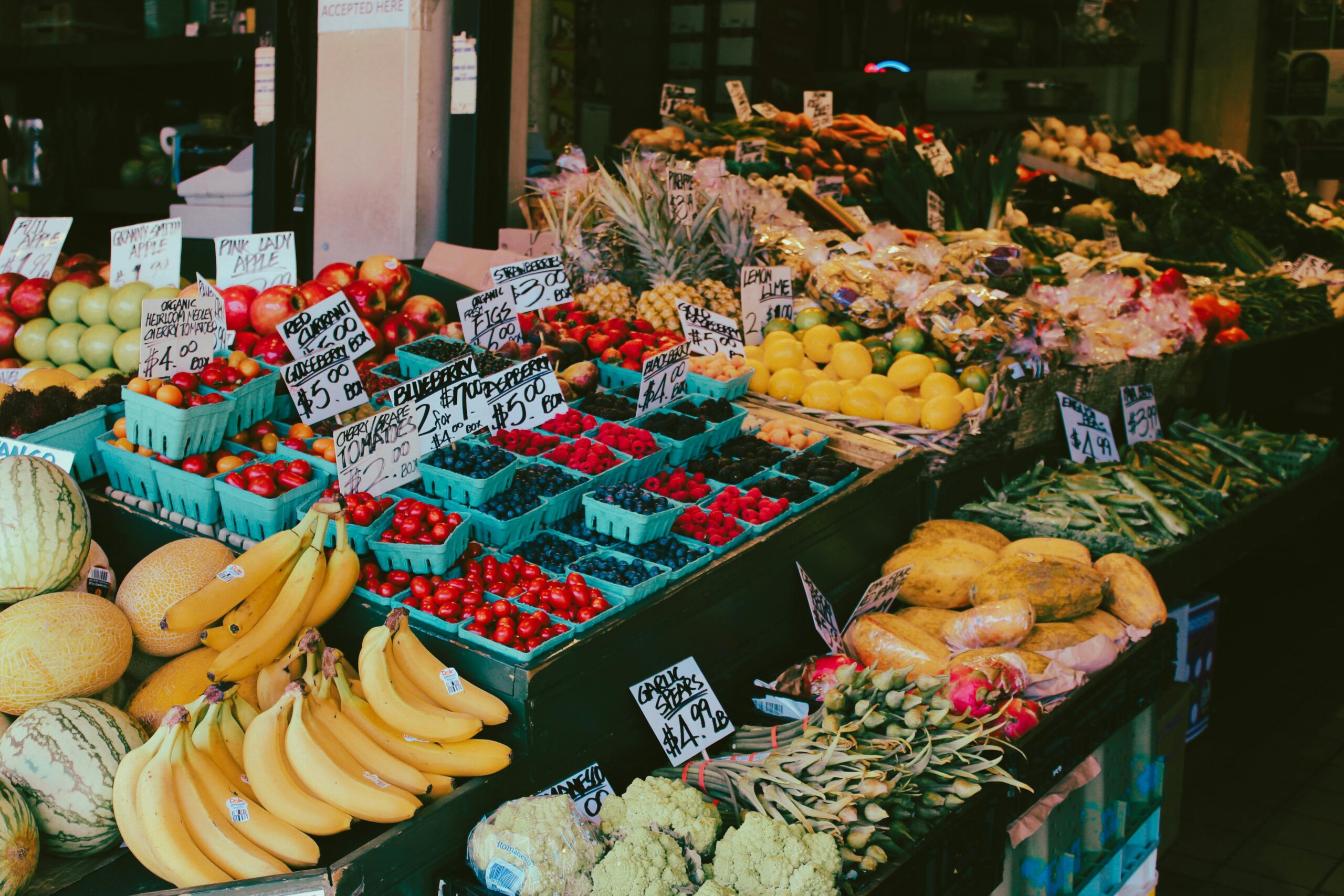
Fresh fruits and vegetables represent the lowest-sodium area of the supermarket. Most produce contains less than 10 milligrams of sodium per serving, making this section your ally in reducing overall sodium intake. Even naturally higher-sodium vegetables like celery, beets, and carrots contain only 50-100 milligrams per serving.
Filling half your shopping cart from the produce section naturally reduces the proportion of high-sodium processed foods in your diet. Fresh produce also provides potassium, a mineral that helps counteract sodium’s blood pressure effects. Bananas, potatoes, spinach, and avocados are particularly rich in this beneficial nutrient.
While fresh produce is ideal, frozen vegetables without added sauces or seasonings are equally nutritious and contain minimal sodium. They’re often more economical and convenient than fresh options, making them excellent staples for health-conscious households.
🍝 Pasta, Sauces, and Condiments: Reading Between the Lines
Dried pasta, rice, and grains contain virtually no sodium, making them excellent foundation foods. However, the products you pair with these staples often transform them into sodium delivery systems. Pasta sauces, gravies, and condiments require careful scrutiny.
Jarred pasta sauce typically contains 400-700 milligrams of sodium per half-cup serving—and most people use more than this amount. Some brands exceed 1,000 milligrams per serving. Look for “no salt added” varieties containing around 50-100 milligrams per serving, or make your own sauce with fresh tomatoes, herbs, and garlic.
Condiment Sodium Content
| Condiment | Serving Size | Sodium (mg) |
|---|---|---|
| Soy sauce (regular) | 1 tablespoon | 900-1,000 |
| Soy sauce (low-sodium) | 1 tablespoon | 500-600 |
| Ketchup | 1 tablespoon | 150-190 |
| Mustard | 1 teaspoon | 50-65 |
| Barbecue sauce | 2 tablespoons | 300-400 |
| Salad dressing | 2 tablespoons | 200-400 |
| Hot sauce | 1 teaspoon | 80-150 |
Many people don’t realize that condiments contribute significantly to daily sodium intake. Using several condiments in one meal can easily add 500-1,000 milligrams of sodium. Consider making homemade versions or using fresh herbs, lemon juice, and vinegar for flavor instead.
🥤 Beverages: The Often-Overlooked Sodium Sources
Most beverages contain minimal sodium, but certain categories deserve attention. Sports drinks contain sodium intentionally to replace electrolytes lost through sweating—typically 100-200 milligrams per serving. Unless you’re engaging in intense exercise lasting over an hour, these drinks provide unnecessary sodium and calories.
Vegetable juice represents another significant sodium source. A cup of regular tomato juice contains approximately 700 milligrams of sodium, while V8 and similar blended vegetable juices pack similar amounts. Low-sodium versions reduce this by 50-70%, making them much better choices.
Some bottled waters, particularly mineral waters, contain naturally occurring sodium. Most have negligible amounts, but checking labels ensures you’re not inadvertently consuming extra sodium from your drinking water.
🛍️ Decoding Nutrition Labels Like a Pro
Understanding how to read nutrition labels empowers you to make informed decisions throughout the store. The FDA requires manufacturers to display sodium content clearly, but knowing how to interpret this information maximizes its usefulness.
The Percent Daily Value (%DV) tells you how much sodium one serving contributes toward the daily recommended limit of 2,300 milligrams. As a general guide: 5% DV or less is considered low sodium, while 20% DV or more is high. Products with 10-15% DV fall in the moderate range.
Pay close attention to serving sizes, as manufacturers sometimes use unrealistically small portions to make sodium content appear lower. A can of soup might list nutritional information for one cup when the can actually contains two cups, effectively doubling the sodium if you eat the entire can.
Label Claims Decoded 📋
- Sodium-free: Less than 5 milligrams per serving
- Very low sodium: 35 milligrams or less per serving
- Low sodium: 140 milligrams or less per serving
- Reduced sodium: At least 25% less sodium than the regular version
- Light in sodium: 50% less sodium than the regular version
- No salt added: No salt added during processing, but may contain natural sodium
Remember that “reduced sodium” doesn’t necessarily mean “low sodium”—it’s simply lower than the original formulation, which might have been extremely high. Always check the actual milligram amount rather than relying solely on marketing claims.
🥘 Frozen Foods: Convenience Meets Sodium Reality
The frozen food section offers tremendous convenience but requires careful navigation. Frozen vegetables and fruits without added ingredients are nutritionally excellent and low in sodium. However, frozen entrees, pizzas, and meals with sauces often rank among the highest-sodium products in the store.
A typical frozen dinner contains 700-1,800 milligrams of sodium—sometimes nearly an entire day’s limit in a single meal. Frozen pizzas regularly exceed 1,000 milligrams per serving, and manufacturers often define a serving as one-quarter to one-third of a pizza, not the amount people actually eat.
Some brands now offer low-sodium frozen meal options specifically designed for health-conscious consumers. These typically contain 600 milligrams or less per meal, though they’re still higher than meals prepared from fresh ingredients at home.
💡 Practical Strategies for Every Shopping Trip
Implementing sodium-awareness strategies transforms shopping from a mindless routine into an intentional health practice. Start by making a list organized by store sections, which helps you focus on specific low-sodium products you’ve identified rather than impulse purchases.
Shop the store perimeter where fresh, whole foods predominate—produce, meat, dairy, and eggs. These sections contain the lowest-sodium options. The center aisles house most processed foods, so approach them with heightened awareness and label-reading vigilance.
Compare similar products from different brands, as sodium content can vary dramatically. Store brands sometimes contain less sodium than name brands, offering both health and financial benefits. Taking an extra minute to compare three or four options often reveals a clear winner with significantly less sodium.
Your Sodium-Smart Shopping Toolkit 🧰
- Use a smartphone to track sodium throughout your shopping trip
- Set a target sodium limit for each meal or daily total
- Take photos of nutrition labels for products you’re considering to compare at home
- Start reading ingredients lists—sodium appears in many forms beyond “salt”
- Remember that sodium hides under names like monosodium glutamate, sodium benzoate, and sodium nitrate
- Plan meals before shopping to avoid relying on high-sodium convenience foods
🌟 Building Your Low-Sodium Pantry Foundation
Creating a well-stocked pantry with low-sodium staples makes daily cooking easier and healthier. Stock dried beans, lentils, rice, pasta, oats, and quinoa—all naturally low in sodium. Keep no-salt-added canned tomatoes, low-sodium broths, and rinsed canned beans on hand for quick meal preparation.
Build a collection of herbs, spices, and salt-free seasoning blends that add tremendous flavor without sodium. Garlic, onion, ginger, cumin, oregano, basil, paprika, and countless others create delicious meals without relying on salt. Citrus juice and zest, vinegars, and hot peppers provide brightness and complexity to dishes.
Having these foundations readily available reduces temptation to reach for high-sodium convenience products when you’re tired or pressed for time. Your future self will thank you for the thoughtful preparation.
🎯 Moving Forward: Small Changes, Big Impact
Transitioning to lower sodium eating doesn’t require perfection or overnight transformation. Research shows that taste preferences adapt within weeks when you gradually reduce sodium intake. Foods that once tasted normal will eventually seem overly salty, while foods that initially tasted bland will reveal subtle, delicious flavors you’d missed.
Start by tackling one category per shopping trip. Perhaps this week you focus on finding lower-sodium bread, next week you explore no-salt-added canned goods, and the following week you experiment with homemade salad dressings. This gradual approach feels manageable rather than overwhelming.
Track your progress by calculating your approximate daily sodium intake periodically. Many people are shocked to discover they’re consuming twice the recommended amount. Seeing concrete numbers motivates continued improvement and helps you identify which foods contribute most to your sodium intake.
Remember that every milligram of sodium you reduce brings health benefits. You don’t need to achieve perfection to improve your blood pressure, reduce fluid retention, and lower your risk of heart disease and stroke. Progress, not perfection, is the goal.
The grocery store is where health decisions truly begin—not in the kitchen or at the dining table. By becoming a sodium-savvy shopper, you take control of this crucial aspect of your health. Armed with knowledge about where sodium hides and how to find better alternatives, you’re now equipped to fill your cart with choices that support your long-term wellbeing. Your body will respond to these improvements with better blood pressure, reduced bloating, improved kidney function, and enhanced overall health. The power to transform your health truly lies in your shopping cart. 🛒✨