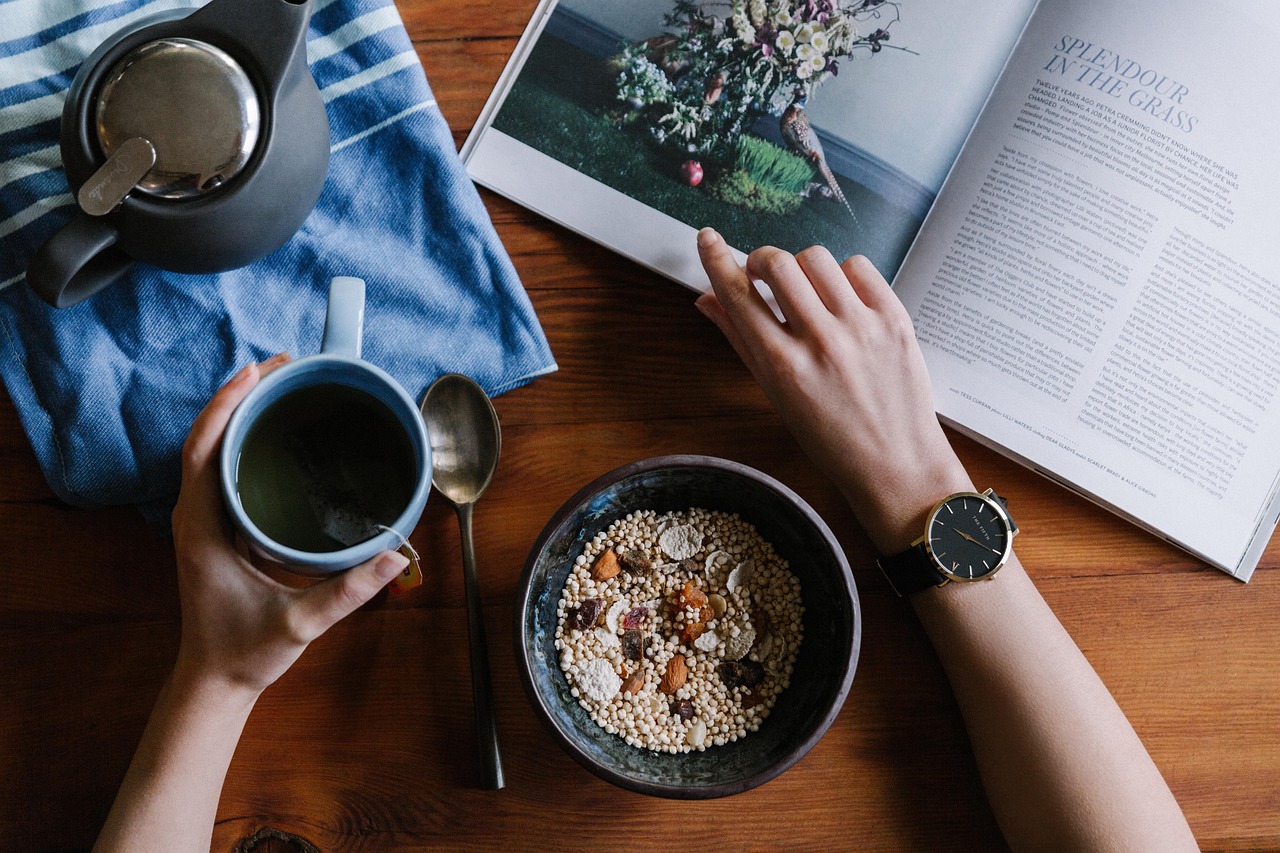
Reducing sodium doesn’t mean sacrificing flavor. With creative ingredients and smart techniques, you can create delicious sauces and condiments that make every meal exciting without relying on salt.

Whether you’re managing blood pressure, supporting heart health, or simply wanting to eat cleaner, low-sodium cooking opens up a world of culinary possibilities. The key lies in understanding how to build depth and complexity using herbs, spices, acids, and umami-rich ingredients that naturally enhance taste without adding extra sodium.
🌿 Why Choose Low-Sodium Sauces and Condiments
The average person consumes far more sodium than recommended, with most coming from processed foods and commercial condiments. A single tablespoon of soy sauce can contain over 900mg of sodium, while ketchup, BBQ sauce, and salad dressings add hundreds of milligrams per serving.
Excessive sodium intake is linked to high blood pressure, cardiovascular disease, kidney problems, and fluid retention. The American Heart Association recommends no more than 1,500mg of sodium per day for most adults, yet the average consumption exceeds 3,400mg daily.
Creating your own flavorful low-sodium alternatives gives you complete control over ingredients while expanding your palate beyond simple saltiness. You’ll discover nuanced flavors that commercial products often mask with sodium overload.
Building Blocks of Flavor Without Salt
Understanding flavor fundamentals transforms your approach to low-sodium cooking. Salt enhances taste, but it’s not the only way to create satisfying dishes.
Umami: The Fifth Taste
Umami provides savory depth that reduces the need for salt. Ingredients rich in natural glutamates create that satisfying, meaty quality:
- Mushrooms (especially dried shiitake, porcini, and cremini)
- Tomato paste and sun-dried tomatoes
- Nutritional yeast
- Seaweed and kelp powder
- Miso paste (low-sodium varieties)
- Parmesan cheese (used sparingly)
- Fermented foods like kimchi (homemade with reduced salt)
Acidity Brightens Everything
Acids wake up your taste buds and make flavors pop. They provide the sharpness that balances rich dishes:
- Citrus juices and zest (lemon, lime, orange, grapefruit)
- Various vinegars (balsamic, apple cider, red wine, rice)
- Tamarind paste
- Sumac powder
Aromatic Herbs and Spices
Fresh and dried herbs deliver intense flavor without any sodium. Building a well-stocked spice cabinet is essential for low-sodium cooking success.
🍅 Versatile Low-Sodium Tomato-Based Sauces
Classic Marinara with a Twist
Traditional marinara becomes sodium-smart when you start with fresh tomatoes or no-salt-added canned varieties. Sauté minced garlic in olive oil until fragrant, add crushed tomatoes, fresh basil, oregano, and a pinch of red pepper flakes. The secret ingredient? A tablespoon of tomato paste for concentrated umami and a teaspoon of balsamic vinegar for depth.
Let this simmer for 30 minutes, and you’ll have a rich sauce with less than 50mg of sodium per half-cup serving, compared to 400-600mg in store-bought versions.
Smoky Romesco Sauce
This Spanish sauce combines roasted red peppers, toasted almonds, garlic, smoked paprika, and sherry vinegar. The smokiness from paprika and char on the peppers creates incredible complexity. Blend everything with a drizzle of olive oil for a creamy, versatile condiment perfect for grilled vegetables, fish, or as a sandwich spread.
Fresh Salsa Verde
Tomatillos, cilantro, jalapeños, lime juice, and garlic create a tangy, bright sauce that needs zero added salt. The natural acidity from tomatillos and lime provides all the flavor punch you need. Roasting the ingredients first adds another dimension of taste.
🥜 Creamy Low-Sodium Sauces That Satisfy
Cashew Cream Base
Soaked raw cashews blended with water create an incredibly versatile cream substitute. Add nutritional yeast, garlic powder, lemon juice, and a touch of Dijon mustard for a savory version. This works as a pasta sauce, salad dressing base, or vegetable dip.
The beauty of cashew cream is its neutral flavor profile that adapts to whatever seasonings you add. Try curry powder and turmeric for an Indian-inspired sauce, or fresh dill and chives for a ranch-style dressing.
Tahini-Based Dressings
Tahini (sesame seed paste) provides richness and nutty flavor. Thin it with lemon juice and water, then season with cumin, garlic, and a touch of maple syrup. This Middle Eastern staple transforms grain bowls, roasted vegetables, and falafel wraps.
Avocado Crema
Blend ripe avocado with lime juice, cilantro, garlic, and a splash of unsweetened almond milk for a luxurious green sauce. The healthy fats in avocado create satisfying richness without any sodium, while lime juice provides brightness that makes every bite exciting.
🌶️ Bold and Spicy Condiment Creations
Harissa Paste
This North African chili paste relies on dried chilies, caraway, coriander, cumin, and garlic for its intense flavor. Rehydrate dried peppers, blend with spices, garlic, tomato paste, and olive oil. The result is a fiery condiment that adds instant excitement to roasted meats, eggs, or stirred into soups.
Ginger-Garlic Chili Sauce
Fresh ginger, garlic, red chilies, rice vinegar, and a touch of honey create an Asian-inspired sauce with bright, clean flavors. This works beautifully as a stir-fry sauce, marinade, or dipping sauce for dumplings. The freshness of real ginger and garlic far surpasses any bottled sauce.
Chimichurri
Fresh parsley, oregano, garlic, red wine vinegar, and olive oil come together in this Argentinian sauce that needs absolutely no salt to shine. The high proportion of fresh herbs delivers such intense flavor that you won’t miss sodium at all. It’s perfect with grilled meats, roasted potatoes, or as a marinade.
🍯 Sweet and Tangy BBQ and Glazes
Maple-Bourbon BBQ Sauce
Combine no-salt-added tomato sauce with apple cider vinegar, pure maple syrup, smoked paprika, garlic powder, onion powder, black pepper, and a splash of bourbon. Simmer until thickened. The sweetness from maple syrup, tang from vinegar, and smokiness from paprika create layers of flavor that rival any commercial BBQ sauce.
Honey-Mustard with a Kick
Mix Dijon mustard (naturally lower in sodium than yellow mustard) with honey, a touch of apple cider vinegar, and cayenne pepper. This simple combination works as a sandwich spread, pretzel dip, or glaze for roasted chicken.
Asian-Inspired Teriyaki Alternative
Traditional teriyaki sauce is sodium-heavy due to soy sauce. Create a low-sodium version using coconut aminos (which has 73% less sodium than soy sauce), fresh ginger, garlic, rice vinegar, and a touch of honey. Reduce it to a syrupy consistency for a glaze that caramelizes beautifully on salmon or tofu.
🥗 Fresh Herb-Based Vinaigrettes and Dressings
Lemon-Herb Vinaigrette
Fresh lemon juice, extra virgin olive oil, minced shallots, Dijon mustard, and a mixture of fresh herbs (basil, parsley, chives) create a bright dressing that makes salads irresistible. The combination of acid, fat, and aromatics provides complete flavor satisfaction.
Balsamic Reduction
Simmer balsamic vinegar until it reduces by half and becomes syrupy. This concentrated sweetness and acidity needs nothing else. Drizzle over caprese salad, roasted vegetables, or fresh strawberries. One tablespoon delivers massive flavor with only about 15mg of sodium.
Green Goddess Dressing
Blend fresh herbs (tarragon, parsley, chives, basil) with Greek yogurt, lemon juice, garlic, and anchovy paste (just a small amount for umami). Despite the anchovy, this dressing contains far less sodium than commercial versions while delivering incredible herby freshness.
🌍 International Flavor Profiles to Explore
Chermoula (Moroccan Marinade)
This vibrant sauce combines cilantro, parsley, garlic, cumin, paprika, lemon juice, and olive oil. It’s traditionally used for fish but works beautifully with chicken, vegetables, or as a finishing sauce for grain bowls. The abundant fresh herbs provide such intense flavor that salt becomes unnecessary.
Mojo Sauce (Cuban-Style)
Sour orange juice (or a combination of regular orange and lime), tons of garlic, oregano, cumin, and olive oil create this tangy marinade and sauce. The citrus provides all the flavor pop needed, making it perfect for pork, chicken, or yuca.
Zhug (Yemeni Hot Sauce)
Fresh cilantro, green chilies, garlic, cumin, cardamom, and lemon juice blended into a spicy, herby condiment. This Middle Eastern sauce adds excitement to everything from eggs to roasted vegetables to grilled meats.
💡 Smart Swaps for Common High-Sodium Condiments
Replacing everyday condiments with low-sodium alternatives makes the biggest impact on your daily intake:
- Instead of soy sauce: Use coconut aminos or make your own with beef bone broth reduced with mushroom powder and a splash of vinegar
- Instead of store-bought ketchup: Blend roasted tomatoes with apple cider vinegar, cinnamon, and a touch of maple syrup
- Instead of salad dressing: Simple lemon juice and olive oil with herbs beats any bottled version
- Instead of steak sauce: Balsamic reduction with crushed black pepper and fresh rosemary
- Instead of ranch dressing: Greek yogurt with fresh dill, chives, garlic powder, and lemon juice
🔧 Essential Techniques for Maximum Flavor
Toasting Spices
Dry-toasting whole spices in a pan before grinding releases essential oils and intensifies flavor dramatically. This simple step makes cumin, coriander, and fennel seeds taste exponentially more potent.
Caramelization and Browning
Taking extra time to properly brown onions, garlic, or tomato paste develops deep, complex flavors through the Maillard reaction. This creates savory notes that reduce the need for salt.
Layering Flavors
Add ingredients in stages rather than all at once. Sauté aromatics first, then add spices to bloom them in oil, followed by liquids and fresh herbs at the end. This builds complexity that one-dimensional saltiness can’t match.
Finishing with Fresh Ingredients
Add fresh herbs, a squeeze of citrus, or a drizzle of high-quality olive oil just before serving. These bright, fresh notes provide the flavor pop that makes dishes memorable.
🥄 Storing and Preserving Your Homemade Condiments
Most homemade sauces keep for 5-7 days refrigerated in airtight containers. Vinegar-based sauces and vinaigrettes last longer due to their natural acidity. Oil-based sauces should be kept refrigerated and used within a week.
Freeze extras in ice cube trays for perfect portion sizes. Pop out cubes and store in freezer bags labeled with the date. This works especially well for pesto, herb sauces, and tomato-based preparations.
Some condiments like harissa paste, chimichurri, and salsa verde actually improve after a day or two as flavors meld together. Make batches on the weekend to use throughout the week.
🎯 Creating Your Low-Sodium Flavor Arsenal
Start building your collection gradually. Choose three or four sauces that match your cooking style and perfect those recipes first. Once they become second nature, expand your repertoire.
Keep a well-stocked pantry with essentials like various vinegars, good olive oil, a range of dried spices, and nutritional yeast. Having these foundations ready means you’re always prepared to whip up a flavorful sauce.
Experiment with flavor combinations that excite your palate. There’s no single “right” way to create low-sodium sauces. Some people prefer bolder spices, while others love herb-forward profiles. Adjust recipes to match your preferences.
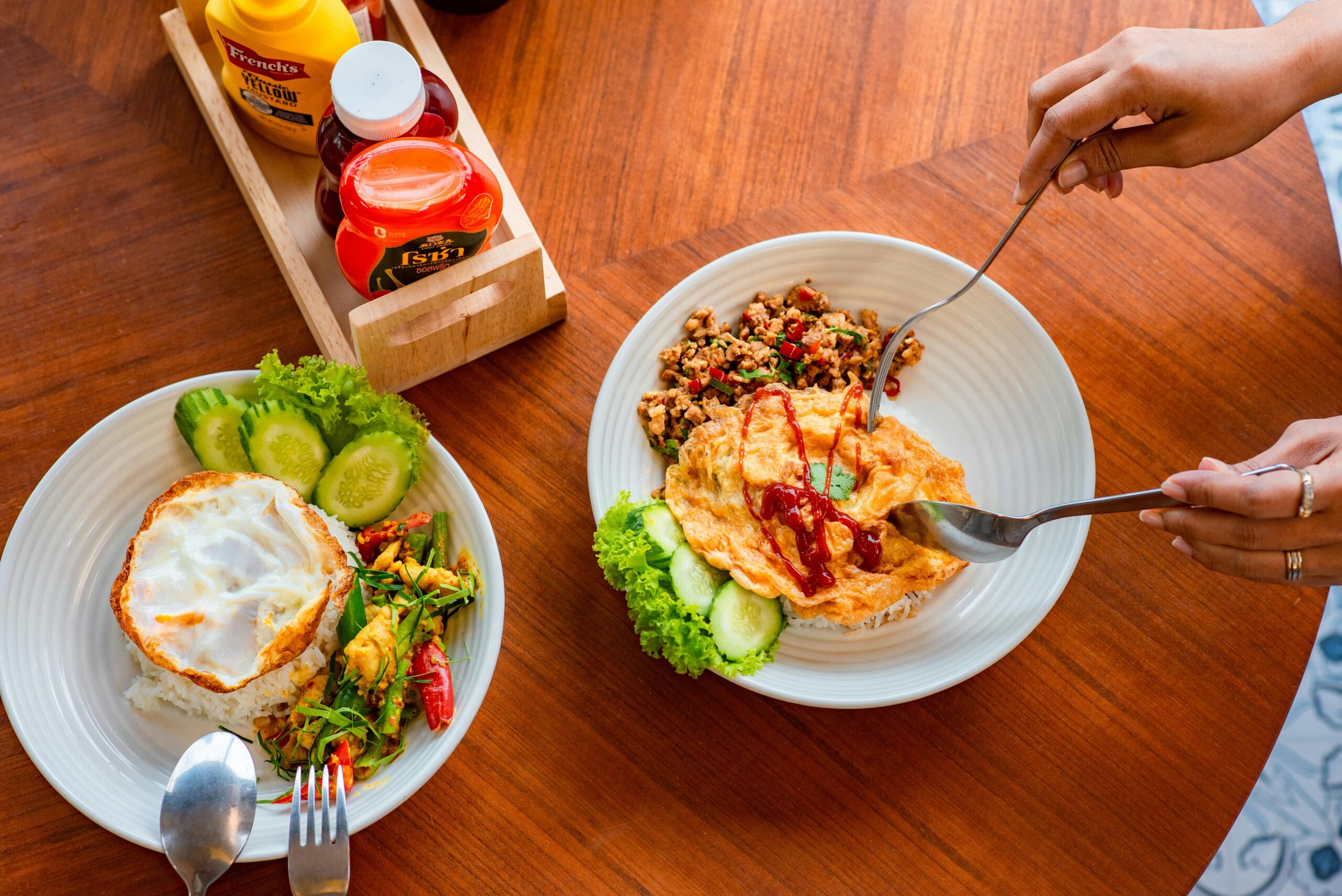
Transforming Your Meals with Confident Seasoning
The journey to flavorful low-sodium cooking isn’t about deprivation—it’s about discovering the incredible variety of tastes beyond simple saltiness. When you master sauces and condiments that rely on fresh herbs, bold spices, bright acids, and rich umami ingredients, you’ll never feel like you’re missing out.
Your taste buds adapt within weeks of reducing sodium intake. Flavors you once thought were bland suddenly reveal subtle nuances. Commercial products that seemed normal start tasting overwhelmingly salty. This recalibration makes home-cooked, low-sodium meals even more satisfying.
Every meal becomes an opportunity to explore new flavor combinations and techniques. The sauces and condiments you create will be uniquely yours, perfectly tailored to your preferences and dietary needs. Start with one or two recipes this week, and watch as your confidence and creativity in the kitchen grow alongside your expanding collection of delicious, sodium-smart condiments that prove healthy eating never has to be boring.