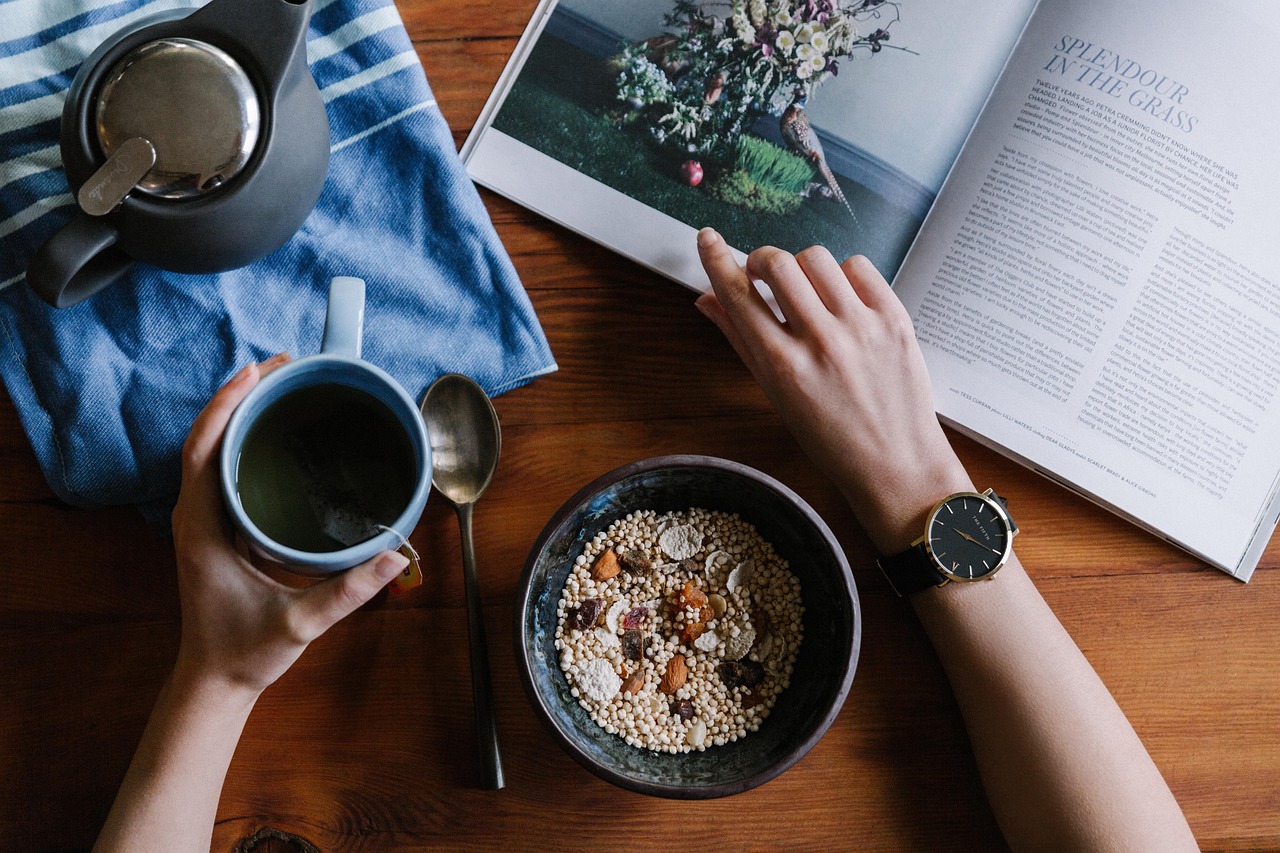
Reducing sodium without sacrificing flavor is one of the biggest challenges in modern cooking. The secret lies in umami, the fifth taste that transforms ordinary dishes into extraordinary culinary experiences while keeping your health in check.

For decades, salt has been the go-to ingredient for enhancing flavor, but excessive sodium consumption poses serious health risks including high blood pressure, heart disease, and stroke. The good news? Nature provides us with umami-rich ingredients that deliver satisfying depth and complexity without relying on the salt shaker. Understanding and incorporating these ingredients into your daily cooking can revolutionize both your palate and your well-being.
🍄 Understanding Umami: The Fifth Taste That Changes Everything
Umami, a Japanese word meaning “pleasant savory taste,” was scientifically identified in 1908 by chemist Kikunae Ikeda. Unlike sweet, sour, bitter, and salty, umami provides a savory, mouth-filling sensation that makes food taste more satisfying and complete. This taste comes from glutamates, naturally occurring amino acids found in various foods.
When you eat umami-rich foods, your taste receptors send signals to your brain that register deep satisfaction. This biological response explains why a mushroom risotto or aged parmesan can feel so deeply gratifying without excessive salt. The magic happens when glutamates bind with receptors on your tongue, creating that characteristic savory sensation that makes you want to close your eyes and savor every bite.
Research shows that umami can actually reduce the need for added sodium by up to 30% in many dishes. This isn’t just culinary theory—it’s backed by science and practiced by top chefs worldwide who understand that layering umami creates complexity that salt alone cannot achieve.
Why Cutting Sodium Matters More Than Ever
The average person consumes nearly 3,400 milligrams of sodium daily, well above the recommended 2,300 milligrams (about one teaspoon of salt). This excess contributes to approximately 500,000 deaths annually from cardiovascular disease in the United States alone. The World Health Organization identifies sodium reduction as one of the most cost-effective measures to improve public health.
High sodium intake causes your body to retain water, increasing blood volume and forcing your heart to work harder. Over time, this strain damages blood vessels, increases stroke risk, and can lead to kidney disease. The challenge is that roughly 70% of dietary sodium comes from processed and restaurant foods, making home cooking with smart ingredient choices essential.
By embracing umami-rich ingredients, you’re not just reducing sodium—you’re actually improving flavor perception. Studies demonstrate that people find low-sodium foods more acceptable and enjoyable when umami elements are strategically incorporated, making healthy eating sustainable rather than a temporary sacrifice.
🌟 Top Umami-Rich Ingredients to Transform Your Cooking
Mushrooms: Nature’s Flavor Powerhouses
Mushrooms contain naturally high levels of glutamates, particularly when dried. Shiitake, porcini, and maitake mushrooms are especially potent. Dried mushrooms can be ground into powder and used as a seasoning, or rehydrated with their soaking liquid used as a flavor base for soups, sauces, and gravies.
Fresh mushrooms develop more umami when roasted or sautéed until golden brown. This caramelization process concentrates flavors and creates new savory compounds. A simple mushroom powder made from dried shiitakes can replace salt in almost any savory dish, adding depth without sodium.
Tomatoes: Concentrated Sunshine in Every Bite
Ripe tomatoes are umami bombs, especially when cooked, concentrated, or sun-dried. Tomato paste contains up to five times more glutamates than fresh tomatoes. Adding just a tablespoon of tomato paste to stews, soups, or even non-tomato-based dishes creates a savory backbone that reduces salt dependency.
San Marzano and other paste tomatoes have particularly high glutamate content. Slow-roasting tomatoes concentrates their natural sugars and umami compounds, creating an ingredient that can elevate everything from pasta to grain bowls without adding a single grain of salt.
Aged Cheeses: Umami from Fermentation
Parmesan, aged cheddar, and Gruyère develop intense umami through the aging process. As proteins break down during fermentation, free glutamates are released. A small amount of finely grated aged cheese can season an entire dish, delivering saltiness along with complex umami that regular salt cannot match.
The key is using cheese as a seasoning rather than just a topping. Finely grating or even blending aged cheese into sauces, dressings, or vegetable dishes distributes umami evenly while keeping portions controlled. Even individuals watching their sodium can use small amounts of aged cheese effectively since a little goes a long way.
Fermented Foods: Ancient Wisdom for Modern Health
Miso, soy sauce alternatives (like coconut aminos), fermented bean pastes, and kimchi offer intense umami with varying sodium levels. White miso tends to be milder and lower in sodium than darker varieties. When diluted in cooking, these ingredients provide exponentially more flavor than their salt content alone would suggest.
Fermentation creates not just umami but also complexity—dozens of flavor compounds that make food taste layered and interesting. A teaspoon of miso stirred into soup at the end of cooking can transform a bland broth into something restaurant-worthy, using less total sodium than conventional seasoning methods.
Sea Vegetables: The Ocean’s Umami Secret
Kombu, nori, wakame, and dulse are loaded with natural glutamates and minerals. A small piece of kombu simmered in beans or grains not only adds umami but also helps with digestibility. These sea vegetables have been used in Asian cuisines for centuries to create dashi, the fundamental umami-rich stock that forms the base of countless dishes.
The beauty of sea vegetables is their versatility. Crumbled nori makes an excellent finishing garnish, dulse can be toasted and crumbled like bacon bits, and kombu powder can season virtually anything. While they do contain some sodium naturally, it’s accompanied by beneficial minerals and significantly less than added table salt.
Nutritional Yeast: The Vegan Umami Champion
This deactivated yeast has a naturally cheesy, nutty flavor packed with free glutamates. It’s particularly popular in plant-based cooking but works beautifully in any kitchen. Sprinkled on popcorn, stirred into sauces, or blended into salad dressings, nutritional yeast delivers umami along with B-vitamins.
Unlike cheese, nutritional yeast is naturally low in sodium and fat-free. Two tablespoons contain only about 20 milligrams of sodium while providing protein and that coveted savory depth. It’s especially effective in cream-based sauces where it creates richness without dairy or excessive salt.
🔬 The Science Behind Umami Synergy
One of umami’s most powerful secrets is synergy. When you combine ingredients containing glutamates with those containing nucleotides (like inosinate and guanylate), the umami effect multiplies exponentially—sometimes by a factor of eight. This is why certain ingredient combinations taste so much better than their individual components.
Classic examples include:
- Tomatoes (glutamates) with mushrooms (guanylates)
- Parmesan cheese (glutamates) with meat or fish (inosinate)
- Kombu seaweed (glutamates) with bonito flakes (inosinate)
- Miso (glutamates) with shiitake mushrooms (guanylates)
Understanding these combinations allows you to build flavor systematically. A vegetable soup with tomatoes, mushrooms, and a parmesan rind simmered in the broth needs minimal salt because the umami synergy creates such satisfying depth. This isn’t accidental—it’s culinary chemistry working in your favor.
Practical Strategies for Cooking with Less Sodium
Building Flavor Layers
Instead of relying on a single salt addition, build flavor through multiple umami-rich ingredients. Start with a base of sautéed mushrooms and tomato paste, add herbs and spices for aromatic complexity, finish with a splash of reduced-sodium soy sauce or a grating of parmesan. Each layer contributes to overall satisfaction without requiring excessive sodium.
This approach also makes food more interesting. Your palate experiences different flavors as you chew, keeping each bite engaging. Restaurant chefs use this technique constantly—it’s why their food tastes so complex despite not being oversalted.
Timing Your Umami Additions
Different umami ingredients work best at different cooking stages. Dried mushrooms and kombu benefit from long simmering to extract their compounds. Miso and nutritional yeast should be added at the end to preserve their delicate flavors. Tomato paste benefits from being cooked in fat early to develop sweetness and deepen its umami.
Finishing dishes with a small amount of intense umami ingredient—like a drizzle of reduced balsamic, a sprinkle of aged cheese, or a few drops of fish sauce—hits taste receptors immediately, creating an impression of more flavor than if the same amount were stirred in during cooking.
Creating Your Own Umami Pantry Staples
Making umami-boosting ingredients at home gives you complete control over sodium content. A homemade mushroom powder (simply grind dried mushrooms in a spice grinder) costs pennies and contains zero sodium. Slow-roasted tomato concentrate, preserved in the freezer in small portions, provides intense umami whenever needed.
Consider preparing an umami paste by blending nutritional yeast, dried mushroom powder, tomato paste, and a touch of miso. This custom seasoning can be your secret weapon, adding complexity to everything from scrambled eggs to roasted vegetables with minimal sodium impact.
🍽️ Delicious Low-Sodium Cooking Techniques Enhanced by Umami
Roasting and Caramelization
High-heat cooking methods develop umami through the Maillard reaction, where amino acids and sugars create hundreds of new flavor compounds. Roasting vegetables until deeply browned concentrates natural sugars and umami, making them satisfying without any added salt. The golden-brown crust on roasted cauliflower or Brussels sprouts provides savory satisfaction that steamed versions cannot match.
Reduction and Concentration
Simmering liquids to reduce their volume concentrates umami compounds naturally. A low-sodium broth reduced by half becomes twice as flavorful without adding anything. This technique works with wine, stock, even vegetable cooking water. That concentrated liquid becomes a flavor base that reduces salt dependency dramatically.
Marinating with Umami Ingredients
Marinating proteins or vegetables in umami-rich mixtures before cooking infuses flavor throughout. A marinade of miso, citrus, and ginger penetrates tofu or chicken, seasoning from within. This distributed flavor means you need less surface seasoning, effectively reducing total sodium while improving taste.
Common Mistakes When Reducing Sodium (And How to Avoid Them)
The biggest error people make when cutting salt is simply removing it without replacement. This creates bland food that nobody wants to eat long-term. Instead, think of sodium reduction as ingredient substitution—replacing salt with umami-rich alternatives that provide different but equally satisfying flavors.
Another mistake is underseasoning with acids and aromatics. While umami provides savory depth, brightness from lemon juice, vinegar, or herbs creates balance. Low-sodium cooking requires attention to all flavor dimensions—sweet, sour, bitter, umami, and aromatic—not just eliminating salt.
Finally, many people add umami ingredients too cautiously. Don’t be afraid to use a full tablespoon of tomato paste or a generous handful of mushrooms. These ingredients are flavor investments that pay dividends in satisfaction and reduced salt cravings.
📊 Comparing Sodium Content: Traditional vs. Umami-Enhanced Seasoning
| Seasoning Method | Sodium per Serving | Flavor Impact |
|---|---|---|
| 1 teaspoon table salt | 2,300 mg | One-dimensional salty |
| 1 tablespoon soy sauce | 900 mg | Salty + umami |
| 1 tablespoon miso paste | 630 mg | Complex umami + slight salt |
| 2 tablespoons nutritional yeast | 20 mg | Strong umami, no salt |
| 1 tablespoon mushroom powder | 0 mg | Pure umami depth |
| 1 tablespoon tomato paste | 20 mg | Sweet umami richness |
This comparison reveals the power of choosing wisely. By combining low-sodium umami ingredients like mushroom powder and nutritional yeast, you achieve remarkable flavor depth with a fraction of the sodium in traditional seasoning.
Making the Transition: Your 30-Day Umami Adventure
Changing how you season food takes adjustment. Your taste receptors have adapted to high sodium levels, and they need time to recalibrate. Research shows that within two to three weeks of reduced sodium intake, your sensitivity to salt increases, meaning you’ll actually taste it more intensely in smaller amounts.
Start by reducing salt by 25% while incorporating one or two umami ingredients into familiar recipes. Notice how mushrooms make your pasta sauce more satisfying, or how a parmesan rind in soup creates richness. After two weeks, reduce salt another 25% and add more umami variety. By the fourth week, you’ll find yourself naturally reaching for umami ingredients first and salt as a finishing touch rather than a primary seasoning.
Keep a journal of successful combinations. When you create something delicious, note the umami ingredients you used. Building this personal flavor library makes low-sodium cooking feel less like restriction and more like culinary exploration.
🌱 Umami-Rich Ingredients for Special Dietary Needs
Plant-based eaters often struggle with creating satisfying depth without meat or cheese. Fortunately, mushrooms, nutritional yeast, miso, tomatoes, and sea vegetables provide all the umami needed for deeply satisfying vegan cuisine. Combining these ingredients creates complexity that even dedicated omnivores appreciate.
For those with soy allergies, coconut aminos offer a soy sauce alternative, while mushroom-based seasonings and tomato products provide ample umami. Gluten-free cooks can use all the umami ingredients mentioned without concern, making low-sodium, flavorful cooking accessible regardless of dietary restrictions.
Individuals managing kidney disease, who must carefully control both sodium and potassium, should consult healthcare providers about specific umami ingredients. However, many options like mushroom powder, tomato paste in moderation, and small amounts of aged cheese can typically be incorporated under professional guidance.
The Future of Flavor: Umami in Modern Food Science
Food scientists are increasingly exploring umami as a public health tool. Studies show that umami-enhanced foods increase satiety, potentially helping with weight management. Schools and hospitals are experimenting with umami-rich recipes to reduce sodium in institutional cooking without sacrificing acceptance.
New umami ingredients are emerging too. Fermented vegetable pastes, umami-enhanced salt alternatives, and innovative seasoning blends are making low-sodium cooking easier than ever. These products recognize what traditional cuisines have always known—that deep flavor comes from layering savory ingredients, not just adding salt.
Understanding umami isn’t just about following a trend. It’s about reclaiming an ancient approach to flavor that prioritizes ingredient quality and thoughtful combination over the quick fix of excessive salt. This knowledge empowers you to cook food that’s genuinely delicious while supporting long-term health.
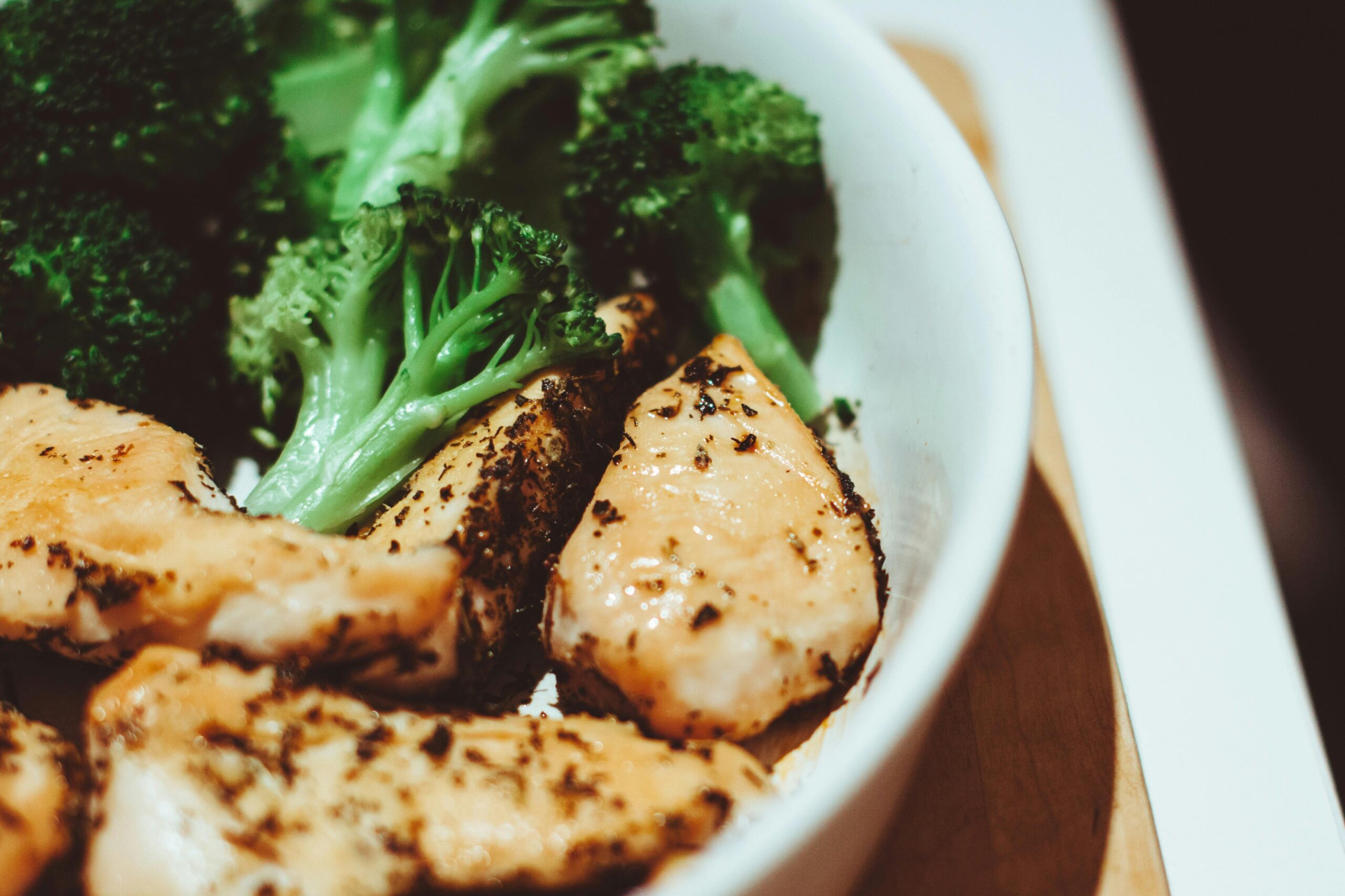
🎯 Your Umami Action Plan: Starting Today
Begin your umami journey by stocking just three ingredients: dried mushrooms, nutritional yeast, and tomato paste. These affordable pantry staples will transform your cooking immediately. Grind the dried mushrooms into powder, keep the nutritional yeast accessible for sprinkling, and commit to adding a spoonful of tomato paste to anything you sauté.
Next time you cook, before reaching for the salt, ask yourself: “What umami ingredient could deepen this flavor?” The answer might be a handful of mushrooms in your stir-fry, a grating of parmesan over your salad, or a spoonful of miso in your dressing. This simple mental shift gradually rewires your cooking instincts.
Finally, taste your food before automatically adding salt. You might be surprised to discover that with proper umami layering, you don’t need it at all. When you do add salt, use it as a finishing touch—a small pinch that highlights the umami depth you’ve already built rather than providing all the flavor itself.
The magic of umami-rich ingredients isn’t really magic at all—it’s the natural result of understanding how flavor works and choosing ingredients that do the heavy lifting for you. By embracing these powerful ingredients, you’re not sacrificing anything. You’re discovering a more sophisticated, health-conscious approach to cooking that delivers satisfaction in every bite. Your taste buds, your heart, and your family will thank you for making this delicious shift toward umami-enhanced, lower-sodium cooking that proves healthy food can be the most flavorful food of all.