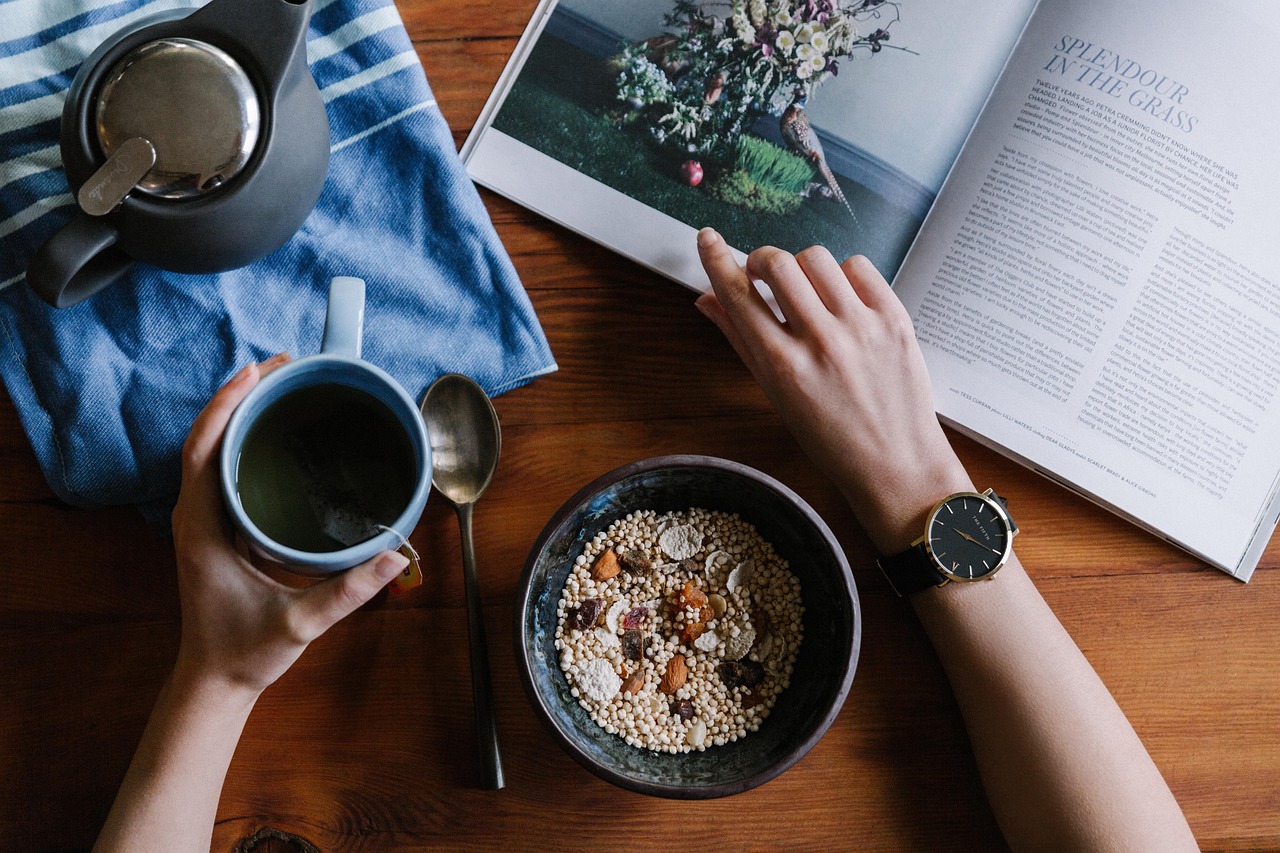
Cooking is not just about following recipes—it’s an art form that celebrates ingredients and transforms them into unforgettable meals. When you master essential techniques, you unlock flavors hidden within every ingredient, creating dishes that resonate with depth and authenticity.

The journey to culinary excellence begins with understanding how different cooking methods interact with food at a molecular level. Heat, time, seasoning, and technique work together to coax out natural flavors, enhance textures, and create the aromatic experiences that make dining truly memorable. Whether you’re a home cook looking to elevate weeknight dinners or an aspiring chef refining your craft, these fundamental techniques will transform your approach to cooking.
🔥 The Foundation: Understanding Heat and Its Impact on Flavor
Heat is your most powerful tool in the kitchen, and understanding how to control it determines whether ingredients reach their full potential. Different temperatures trigger distinct chemical reactions that either enhance or diminish natural flavors.
High heat creates the Maillard reaction—a complex chemical process between amino acids and reducing sugars that produces hundreds of flavor compounds. This browning effect is what gives seared steaks their savory crust, roasted vegetables their caramelized edges, and toasted bread its nutty complexity.
Conversely, low and slow cooking methods break down tough connective tissues in meats, extract collagen into silky gelatin, and allow flavors to meld harmoniously. Braising, stewing, and slow-roasting transform humble ingredients into tender, flavor-packed dishes that showcase patience as an essential ingredient.
Temperature Control: The Secret Professional Chefs Know
Professional kitchens obsess over temperature control because precision determines consistency. When you sauté vegetables over medium-high heat rather than maximum heat, you allow sugars to caramelize without burning. When you rest meat after cooking, you let juices redistribute, ensuring every bite is succulent rather than dry.
Investing in a quality instant-read thermometer removes guesswork from cooking proteins. Chicken breast reaches perfect doneness at 165°F, but pull it off heat at 160°F and let carryover cooking finish the job. This simple technique prevents the rubbery texture that plagues overcooked poultry.
🧂 Seasoning Strategies That Build Layers of Flavor
Salt is often called the most important ingredient in cooking, and for good reason—it doesn’t just make food salty, it amplifies existing flavors and balances sweetness, bitterness, and acidity. But timing matters tremendously.
Seasoning throughout the cooking process creates depth that’s impossible to achieve by simply salting finished dishes. When you salt vegetables before roasting, osmosis draws out moisture, concentrating flavors and promoting better browning. When you season meat 40 minutes before cooking, salt penetrates deeper, seasoning throughout rather than just on the surface.
Beyond Salt: Building Complex Flavor Profiles
Great cooks understand that layered seasoning creates complexity. Fresh herbs added at different stages contribute different qualities—hardy herbs like rosemary and thyme withstand long cooking, infusing dishes with aromatic oils, while delicate herbs like basil and cilantro added at the end provide bright, fresh notes.
Acid is equally transformative. A squeeze of lemon juice, splash of vinegar, or spoonful of tomato paste brightens flavors and cuts through richness. Adding acid at the end of cooking preserves its vibrant character, while incorporating it during cooking allows it to mellow and integrate.
- Season proteins generously before cooking, not just after
- Use kosher or sea salt for better control than table salt
- Add acid incrementally, tasting as you go
- Balance richness with brightness for harmonious dishes
- Toast whole spices before grinding to intensify aromatics
🥘 Mastering Fundamental Cooking Methods
Each cooking method offers unique advantages for enhancing natural flavors. Understanding when and why to use specific techniques elevates your cooking from adequate to exceptional.
Sautéing and Pan-Searing: Quick Heat for Maximum Flavor
Sautéing over high heat in minimal fat creates flavorful browning while preserving texture and brightness. The key is proper pan temperature—heat your pan until a drop of water sizzles and evaporates immediately, then add oil and wait until it shimmers.
Overcrowding the pan is the most common mistake home cooks make. When too much food contacts the pan simultaneously, ingredients steam rather than sear, resulting in pale, flavorless results. Work in batches, leaving space between pieces so moisture evaporates quickly and browning occurs.
Roasting: Concentrated Flavors Through Dry Heat
Roasting transforms vegetables and proteins through caramelization and moisture evaporation, concentrating natural sugars and intensifying flavors. Brussels sprouts turn from bitter to sweet, tomatoes become jammy and rich, and chicken skin crisps to golden perfection.
Position matters tremendously in roasting. Place your oven rack in the upper third for better browning on top surfaces, or use the lower third when you want heat from below. Rotate pans halfway through cooking to compensate for uneven oven temperatures.
Braising: Transforming Tough Cuts into Tender Delicacies
Braising combines searing and slow cooking in liquid to transform tough, inexpensive cuts into melt-in-your-mouth meals. Start by browning meat thoroughly—this creates fond, those flavorful browned bits stuck to the pan that dissolve into the braising liquid, enriching the entire dish.
Choose braising liquids thoughtfully. Wine adds acidity and depth, stock provides body and savory notes, and even water works when you’re featuring the ingredient’s natural flavor. The liquid should come halfway up the protein, never submerging it completely, allowing both steaming and simmering to work together.
🔪 Knife Skills That Preserve and Enhance Flavors
Proper knife technique isn’t just about efficiency—how you cut ingredients directly affects how they cook and taste. Uniform pieces cook evenly, preventing some from burning while others remain raw.
When you crush garlic, you rupture more cell walls, releasing more of the enzyme alliinase that creates garlic’s pungent compounds. Slicing garlic thinly produces milder flavor, while mincing creates moderate intensity. Understanding these differences lets you control how garlic flavors your dishes.
Cutting against the grain in meat shortens tough muscle fibers, making every bite more tender. Identifying grain direction and slicing perpendicular to it transforms even moderately tough cuts into pleasantly chewable pieces.
The Importance of Sharp Knives
A sharp knife does more than make prep work safer and faster—it preserves ingredient integrity. Dull knives crush cell walls, releasing excess moisture and causing faster oxidation. Sharp knives make clean cuts that preserve texture and minimize moisture loss.
Maintain your knives by honing before each use with a honing steel and sharpening every few months with a whetstone or professional service. This simple maintenance routine keeps your knives performing optimally and your ingredients at their best.
💧 The Role of Moisture Management in Flavor Development
Water is both friend and enemy in the kitchen. Too much prevents browning and dilutes flavors, while too little causes burning and toughness. Learning to manage moisture separates good cooks from great ones.
Pat proteins dry before cooking to ensure proper searing. Surface moisture must evaporate before browning begins, so starting with dry ingredients gives you a head start. This simple step dramatically improves the crust on steaks, chicken, and fish.
Deglazing: Capturing Every Drop of Flavor
After searing proteins, fond remains stuck to your pan—these are concentrated flavor compounds that shouldn’t be wasted. Deglazing with wine, stock, or even water dissolves these bits into a flavorful sauce base.
Pour liquid into the hot pan and scrape with a wooden spoon, watching the fond dissolve and enrich your liquid. This technique forms the foundation of pan sauces that taste restaurant-quality because they capture every bit of flavor developed during cooking.
🌿 Aromatics: Building Blocks of Complex Dishes
Aromatics like onions, garlic, celery, carrots, and peppers form the flavor foundation of countless cuisines. Cooking them properly creates depth that permeates entire dishes.
Start most dishes by cooking aromatics in fat until softened and fragrant. This process extracts fat-soluble flavor compounds and mellows harsh raw notes. The French call this base mirepoix, the Italians call it soffritto, and the Cajuns call it the holy trinity—but the principle remains constant across cultures.
Cook aromatics over medium heat, stirring occasionally, until they soften without browning (unless the recipe specifically calls for browning). This takes patience—rushing aromatics creates bitter flavors and shortcuts the flavor development that sets exceptional dishes apart.
🍳 Fat: The Flavor Carrier You Can’t Ignore
Fat carries flavor compounds to your palate more effectively than water, making dishes taste richer and more satisfying. Different fats contribute distinct flavors while serving as cooking mediums.
Butter adds nutty, creamy notes but burns at relatively low temperatures. Olive oil contributes fruity, sometimes peppery characteristics and handles medium-high heat. Neutral oils like grapeseed or avocado withstand high temperatures without imparting flavor, making them ideal when you want ingredients to shine.
Finishing with Fat for Maximum Impact
Professional chefs often finish dishes with a knob of butter, drizzle of quality olive oil, or swirl of cream. This final addition of fat carries flavors directly to your taste buds without the harsh edges that can develop during cooking.
Mount butter into pan sauces by swirling cold butter into the warm sauce off heat. This creates an emulsion that looks glossy and tastes velvety, elevating simple pan sauces into restaurant-worthy accompaniments.
⏰ Timing: The Often-Overlooked Technique
Knowing when to add ingredients and when to stop cooking requires experience, but understanding general principles accelerates your learning curve dramatically.
Add quick-cooking ingredients like leafy greens, fresh herbs, and delicate vegetables near the end of cooking to preserve their texture, color, and bright flavors. Long-cooking ingredients like root vegetables, dried herbs, and tough cuts need extended time to reach their potential.
Resting: The Patience That Perfects Proteins
Resting meat after cooking allows muscle fibers to relax and reabsorb juices that were driven toward the center by heat. Skip this step and watch precious juices flood your cutting board instead of staying in the meat.
Rest small cuts like chicken breasts for 5 minutes, steaks for 10 minutes, and large roasts for 20-30 minutes. Tent loosely with foil if you’re concerned about temperature loss, but don’t wrap tightly or you’ll steam the exterior and soften any crispy skin or crust you’ve worked to develop.
🎯 Taste and Adjust: The Most Important Technique
No recipe can account for every variable—your tomatoes might be sweeter, your stock saltier, your preferences different. Tasting throughout the cooking process and adjusting accordingly is the hallmark of intuitive cooking.
Develop a habit of tasting at multiple stages. Season and taste, cook and taste, finish and taste. Ask yourself what the dish needs—more salt, more acid, more sweetness, more fat? Small adjustments make tremendous differences.
Train your palate by tasting ingredients individually before combining them. Notice how salt enhances, acid brightens, fat rounds, and sweetness balances. Understanding how individual elements taste helps you identify what’s missing from a dish.
🌟 Bringing It All Together: Technique Meets Intuition
Mastering cooking techniques isn’t about rigid rules—it’s about understanding principles that guide decisions. When you know why high heat browns, why salt enhances, why acid brightens, and why fat carries flavor, you can adapt to any ingredient, any recipe, any kitchen.
Start by focusing on one technique at a time. Perfect your searing before moving to braising. Master simple pan sauces before attempting complex reductions. Each skill builds on previous knowledge, creating a foundation that supports increasingly sophisticated cooking.
Practice with quality ingredients when possible—fresh vegetables, well-raised proteins, and good fats reward proper technique with superior results. But don’t let perfect be the enemy of good. Even modest ingredients reach their potential when treated with understanding and skill.
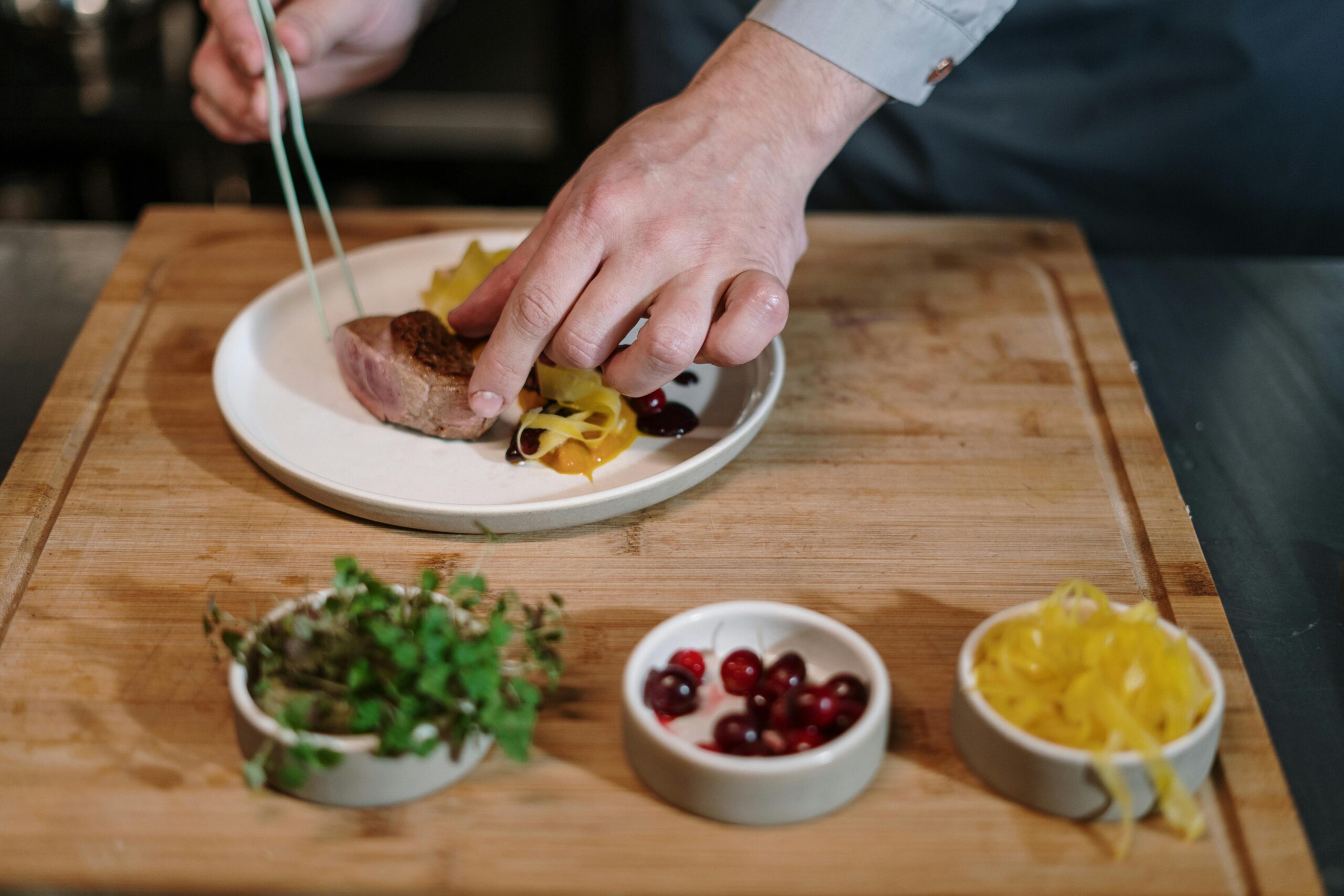
The Continuous Journey of Culinary Growth
Every meal you cook is an opportunity to refine your technique and deepen your understanding. Pay attention to what works and what doesn’t. When something turns out exceptionally well, consider why—was it the temperature, the timing, the seasoning technique?
Great cooking isn’t mysterious or exclusive—it’s the application of fundamental techniques with attention and intention. The difference between ordinary and extraordinary often comes down to small details: properly heating your pan, seasoning at the right moment, knowing when to stop cooking.
Your culinary journey is personal and ongoing. These techniques provide the framework, but your taste, creativity, and experience fill in the details. Embrace the process, learn from every dish, and trust that mastery comes through practice, patience, and a genuine desire to honor the ingredients you’re privileged to cook.
As you continue exploring these techniques, you’ll develop an intuitive sense of how ingredients behave and what they need to shine. That intuition—backed by solid technical knowledge—is what transforms cooking from task to craft, from necessity to joy, from simple sustenance to genuine culinary artistry. 🍽️