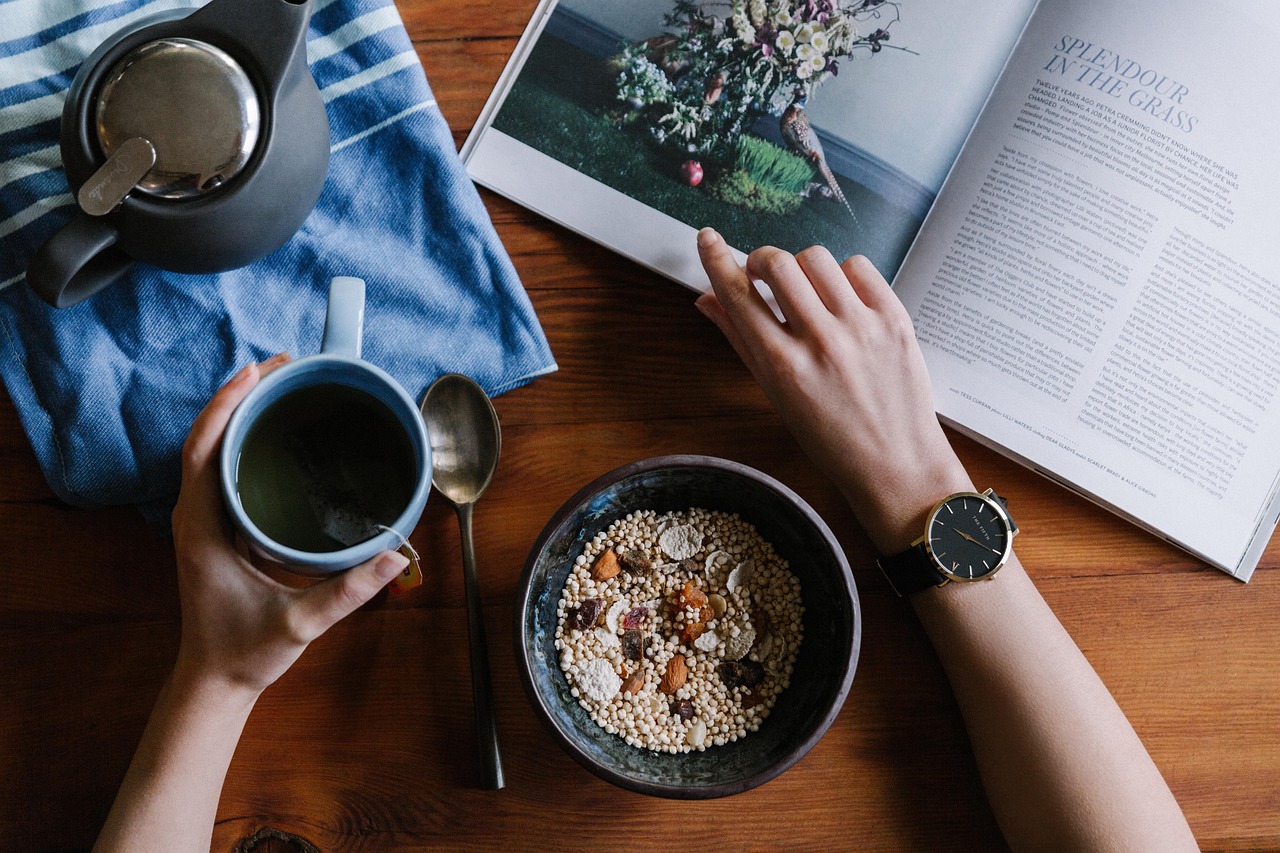
Reducing salt without sacrificing flavor is one of the most transformative skills you can develop in the kitchen. It’s about discovering how layers of taste work together to create memorable, satisfying dishes that nourish both body and palate.

Most home cooks rely heavily on salt as their primary seasoning tool, but this approach limits the full spectrum of flavors your ingredients can provide. By mastering alternative flavor-building techniques, you’ll unlock a world of culinary possibilities that enhance taste complexity while supporting better health outcomes. The journey toward cooking with less salt doesn’t mean bland food—quite the opposite.
Understanding the Science Behind Flavor Perception 🧪
Before diving into specific techniques, it’s essential to understand how our taste buds actually work. The human palate recognizes five basic tastes: sweet, salty, sour, bitter, and umami. Salt enhances these flavors by suppressing bitterness and amplifying other taste sensations, which is why we’ve become so dependent on it.
When you reduce salt, you need to compensate by strategically engaging the other taste receptors. This doesn’t happen through a single ingredient but through layering multiple flavor elements throughout the cooking process. Each technique you employ builds upon the previous one, creating depth that a simple shake of salt could never achieve.
The key lies in understanding that flavor isn’t just about taste—it encompasses aroma, texture, temperature, and even visual appeal. When you engage multiple senses simultaneously, your brain perceives greater satisfaction from the eating experience, reducing the perceived need for salt.
Harnessing the Power of Umami-Rich Ingredients
Umami, often described as savory or meaty, is your most powerful ally in reducing salt dependency. This taste sensation triggers the same satisfaction receptors that salt does, making it an ideal substitute in many applications.
Natural Umami Boosters for Everyday Cooking
Tomatoes, especially when roasted or in paste form, concentrate glutamates that deliver intense umami flavor. Sun-dried tomatoes pack even more punch per gram than fresh varieties. Adding just a tablespoon of tomato paste to soups, stews, or sauces creates a savory backbone without any added sodium.
Mushrooms contain naturally occurring glutamates, with dried varieties like shiitake, porcini, and morels offering the most concentrated flavor. Rehydrate them in warm water, then use both the mushrooms and the soaking liquid in your recipes. This liquid gold adds remarkable depth to risottos, gravies, and braised dishes.
Fermented foods like miso paste, nutritional yeast, and aged cheeses deliver powerful umami while requiring only small quantities. A teaspoon of miso stirred into a soup at the end of cooking can transform the entire dish. Nutritional yeast sprinkled over popcorn, pasta, or vegetables provides a cheesy, savory flavor with added B vitamins.
Seaweed and kelp naturally contain glutamates and can be incorporated into stocks, grains, and bean dishes. Adding a small piece of kombu to your cooking pot infuses subtle oceanic notes and tenderizes beans while they cook.
The Art of Proper Browning and Caramelization 🔥
The Maillard reaction—the chemical process that occurs when proteins and sugars are exposed to heat—creates hundreds of complex flavor compounds. This technique is perhaps the most underutilized by home cooks who salt their food instead of properly developing its inherent flavors.
When you sear meat, allow vegetables to brown deeply, or roast ingredients until they develop golden edges, you’re creating flavors that salt simply cannot provide. The key is patience and proper heat management. Crowding your pan or using insufficient heat prevents browning, resulting in steamed, flavorless food that demands heavy salting.
Mastering the Browning Process
Always ensure your proteins are thoroughly dried before cooking. Pat meat, poultry, and fish with paper towels to remove surface moisture. Water is the enemy of browning—it must evaporate before the Maillard reaction can begin, and this temperature drop prevents proper searing.
Use a hot pan with minimal movement. Place your protein in the pan and resist the urge to flip or move it constantly. Allow a proper crust to form before turning. This crust contains concentrated flavor compounds that elevate the entire dish.
For vegetables, high-heat roasting transforms their character completely. Brussels sprouts, cauliflower, carrots, and onions develop sweet, nutty, caramelized flavors when roasted at 425°F or higher. Toss them lightly in oil, spread them in a single layer with space between pieces, and let the oven work its magic.
Acids: The Brightness Your Dishes Are Missing ✨
Acid is one of the most overlooked flavor enhancers in home cooking. When a dish tastes flat or incomplete, most people reach for the salt shaker, but often what’s actually missing is acidity. Acids brighten flavors, balance richness, and stimulate saliva production, which enhances taste perception.
Citrus juices—lemon, lime, orange, and grapefruit—offer clean, bright acidity with aromatic oils in their zests. Adding both juice and zest maximizes flavor impact. A squeeze of lemon at the end of cooking can completely transform soups, sautéed vegetables, and grain dishes.
Vinegars provide acidity with additional complexity from fermentation. Different vinegars suit different applications: balsamic for sweet-savory dishes, apple cider for barbecue and hearty foods, rice vinegar for Asian-inspired cuisine, and red or white wine vinegar for general cooking.
Strategic Acid Application
Timing matters when adding acids. Delicate citrus flavors are best added at the end of cooking to preserve their bright character. Vinegars can be added earlier, allowing harsh notes to mellow while their complexity integrates into the dish.
Start conservatively and taste frequently. Add acid in small increments—a teaspoon at a time—tasting after each addition. You’ll notice the moment when all the flavors suddenly come alive and harmonize. That’s the sweet spot you’re seeking.
Fresh and Dried Herbs: Building Aromatic Complexity 🌿
Herbs contribute aromatic compounds that our olfactory system interprets as flavor. Since much of what we perceive as taste actually comes from smell, herbs play a crucial role in creating satisfying dishes without salt.
Understanding the difference between fresh and dried herbs improves your results dramatically. Dried herbs contain concentrated oils and should be added early in cooking to allow their flavors to bloom and mellow. Fresh herbs are more delicate and are typically added toward the end or as a finishing touch to preserve their bright, vibrant character.
Woody herbs like rosemary, thyme, oregano, and sage withstand longer cooking times and can be added to dishes early. Their oils release slowly, infusing the entire dish with aromatic depth. Strip the leaves from their stems and chop them finely to maximize surface area and flavor release.
Tender herbs including basil, cilantro, parsley, dill, and chives are best added fresh at the end of cooking or used as garnishes. Their delicate flavors dissipate quickly under heat, so preserving their brightness requires minimal cooking exposure.
Spices: The Foundation of Flavor Without Sodium
Spices offer an nearly infinite palette of flavors without contributing any sodium. The key to maximizing their impact lies in proper selection, storage, and application techniques that many home cooks overlook.
Toasting whole spices before grinding releases their essential oils and intensifies their aromatic compounds dramatically. Heat a dry skillet over medium heat, add whole spices, and toast them while stirring constantly until fragrant—usually just one to two minutes. This simple step multiplies flavor impact exponentially.
Creating Custom Spice Blends
Commercial spice blends often contain significant amounts of salt as a cheap filler. Creating your own blends ensures sodium-free seasoning while allowing you to customize flavors to your preferences.
A basic savory blend might include: toasted cumin, coriander, paprika, black pepper, garlic powder, and onion powder. For Mediterranean applications, combine dried oregano, basil, thyme, rosemary, and garlic powder. Indian-inspired cooking benefits from cumin, coriander, turmeric, ginger, and garam masala combinations.
Store spices in airtight containers away from heat and light. Ground spices lose potency after about six months, while whole spices maintain quality for one to two years. Date your containers and refresh your stock regularly for maximum flavor impact.
Fats: The Flavor Carriers You Need to Understand 🥑
Fats carry flavor compounds and create satisfying mouthfeel that signals satiety to your brain. When used strategically, fats reduce the perceived need for salt while making dishes more enjoyable and satisfying.
Different fats contribute distinct flavors. Extra virgin olive oil provides fruity, peppery notes ideal for Mediterranean dishes and finishing applications. Butter adds rich, creamy flavors perfect for sauces and sautéing. Toasted sesame oil brings nutty depth to Asian-inspired preparations. Coconut oil contributes subtle sweetness to curries and tropical-influenced dishes.
The technique of finishing with fat—adding a small amount of high-quality oil or butter at the end of cooking—delivers maximum flavor impact. This finishing fat coats your palate, carrying aromatics and flavors directly to your taste receptors without being cooked out during the preparation process.
Texture Contrasts That Enhance Satisfaction
Textural variety significantly impacts how satisfying we find food. Dishes with multiple textures feel more complex and complete, reducing the perceived need for salt to “fix” them.
Crispy elements like toasted nuts, seeds, breadcrumbs, or crispy shallots add contrast to soft dishes. Sprinkle toasted pine nuts over pasta, add crushed almonds to grain bowls, or top creamy soups with homemade croutons.
Creamy components balance crunchy elements and add richness. Mashed avocado, tahini drizzles, cashew cream, or yogurt-based sauces contribute satisfying body without requiring salt.
Chewy ingredients like dried fruits, sun-dried tomatoes, or properly cooked grains add substance and interest. These components require more chewing, which slows eating and increases satisfaction signals to your brain.
Building Flavorful Cooking Liquids and Stocks 🍲
The liquids you cook with form the foundation of your dishes’ flavor. Store-bought broths often contain excessive sodium, but homemade stocks and enhanced cooking liquids deliver superior taste without any added salt.
Save vegetable scraps—onion skins, carrot peels, celery leaves, mushroom stems, and herb stems—in a freezer bag. When full, simmer them with water, whole peppercorns, bay leaves, and a splash of vinegar to extract minerals from any bones. This creates a flavorful, nutritious stock at virtually no cost.
Enhance plain water used for cooking grains or pasta by adding aromatic ingredients. Cook rice in green tea for subtle earthy notes, or add a bay leaf and garlic clove to pasta water. These small additions infuse flavor throughout the cooking process.
The Timing Factor: When to Add What
Understanding when to incorporate different flavor elements throughout the cooking process separates good cooks from great ones. This strategic layering creates depth that no amount of salt can replicate.
Start with aromatics—onions, garlic, ginger, celery, and carrots—cooked in fat to create a flavor base. These ingredients release sugars and aromatic compounds that form the foundation of countless dishes across global cuisines.
Add dried spices after your aromatics have softened but before adding liquids. This allows them to bloom in the fat, releasing their essential oils and integrating their flavors throughout the dish.
Incorporate main ingredients and liquids, allowing flavors to meld during cooking. This is when umami-rich additions like tomato paste, mushrooms, or miso can be integrated.
Finish with fresh elements—herbs, citrus, high-quality oils, or acid—just before serving. These bright, fresh flavors sit on top of the deep, developed flavors beneath, creating complexity and interest.
Sweetness as a Flavor Balancer 🍯
Small amounts of sweetness balance other flavors and can reduce the need for salt, though this technique requires a light touch to avoid creating inappropriately sweet savory dishes.
Natural sweeteners like honey, maple syrup, or coconut sugar add complexity beyond simple sweetness. A teaspoon of honey in a vinaigrette balances acidity while adding floral notes. A small amount of maple syrup in barbecue rubs or roasted vegetables enhances caramelization.
Vegetables contain natural sugars that concentrate during cooking. Roasting carrots, sweet potatoes, beets, or winter squash brings out their inherent sweetness, creating satisfaction without any added salt or sugar.
Practical Implementation: Your Action Plan 📋
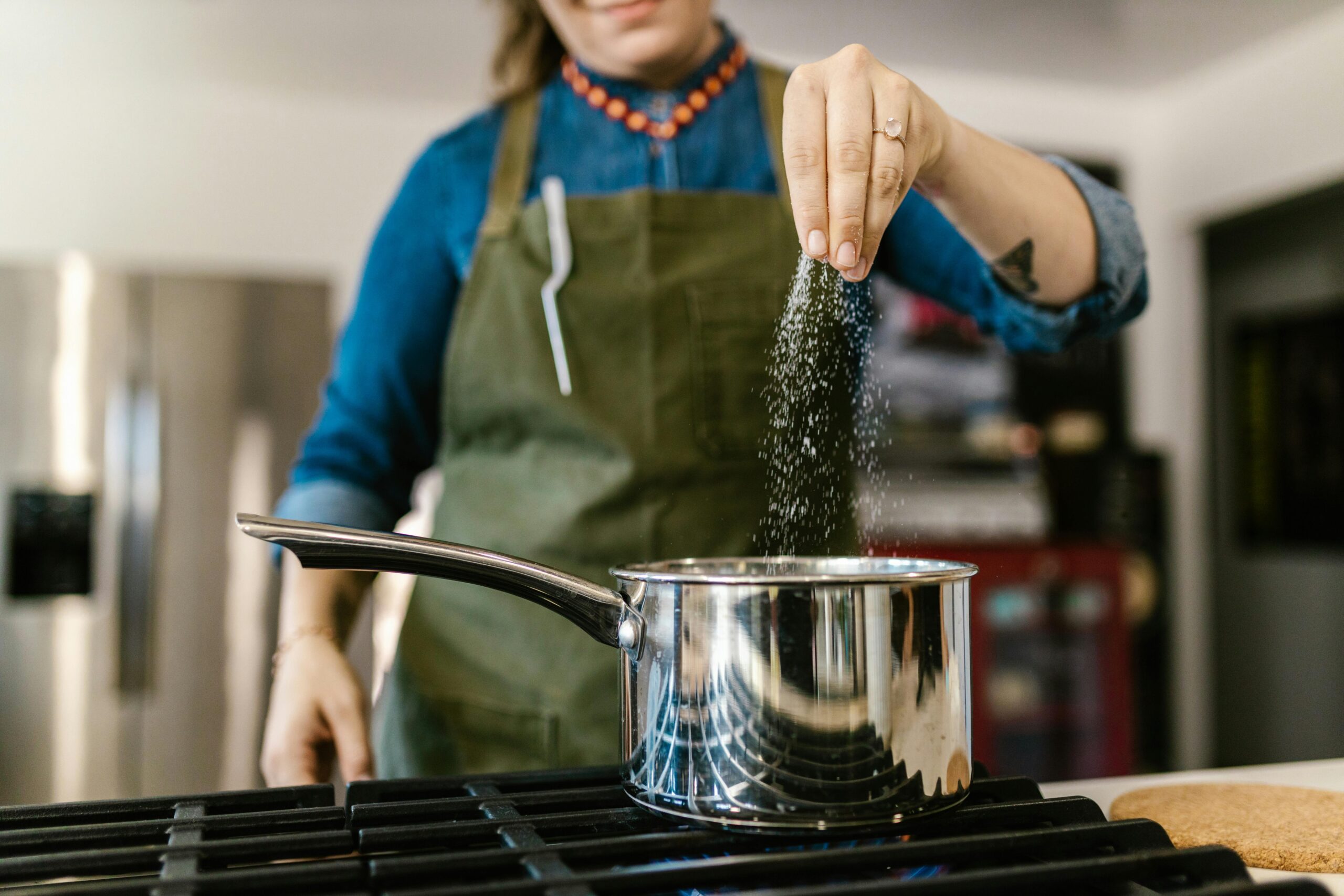
Transitioning to lower-sodium cooking requires gradual adjustment as your taste buds recalibrate. Suddenly eliminating salt often leads to disappointment and abandonment of the effort. Instead, reduce gradually while simultaneously implementing these flavor-building techniques.
Start by cutting your usual salt amount by one-quarter while adding one new technique—perhaps toasting spices or finishing with citrus. After two weeks, reduce salt by another quarter while incorporating another technique. Continue this gradual process until you’ve dramatically reduced sodium while maintaining full flavor satisfaction.
Keep a flavor pantry stocked with essentials: various vinegars, citrus fruits, high-quality oils, dried mushrooms, tomato paste, miso, nutritional yeast, whole spices, and fresh herbs. Having these ingredients readily available makes flavor-building convenient rather than burdensome.
Taste your food throughout the cooking process, not just at the end. This helps you understand how flavors develop and integrate, teaching you when and how to adjust. Ask yourself what’s missing—brightness, depth, richness, or complexity—then address that specific need rather than defaulting to salt.
Transforming Everyday Dishes Into Flavor Powerhouses 💪
Apply these principles to common dishes you already prepare regularly. Simple roasted chicken becomes extraordinary when rubbed with toasted spice blends and finished with lemon zest. Plain pasta transforms with roasted garlic, toasted nuts, fresh herbs, and a drizzle of high-quality olive oil.
Vegetables shift from boring sides to craveable stars when properly browned, finished with acid, and garnished with textural elements. Grains become satisfying foundations when cooked in flavorful liquids and studded with umami-rich additions.
Even simple scrambled eggs reach new heights with fresh herbs, a touch of cream, properly browning, and finishing with black pepper and a few drops of aged balsamic vinegar.
The journey toward mastering flavor-building without excessive salt is transformative, expanding your culinary capabilities while supporting better health. Each technique you implement builds upon the others, creating a comprehensive approach that makes salt feel optional rather than essential. Your palate will adjust, becoming more sensitive to subtle flavors and appreciating the true taste of quality ingredients. Food becomes more interesting, more satisfying, and more nourishing—all while your sodium intake decreases naturally and painlessly.