Transforming ordinary meals into extraordinary culinary experiences doesn’t require excessive salt or complicated techniques. The secret lies in understanding how to build depth through strategic flavor layering, creating dishes that sing with complexity and satisfaction.

Whether you’re managing sodium intake for health reasons or simply seeking more vibrant, nuanced flavors, mastering the art of layering taste elements will revolutionize your cooking. This comprehensive guide will show you how to construct bold, memorable dishes using sodium-free combinations that excite every corner of your palate.
🎨 Understanding the Foundation of Flavor Layering
Flavor layering is the culinary technique of building taste complexity by introducing different flavor elements at various stages of cooking. Instead of relying on a single seasoning or salt to carry a dish, you create a symphony of tastes that complement and enhance each other, resulting in multidimensional flavor profiles.
The human palate recognizes five basic tastes: sweet, salty, sour, bitter, and umami. When you remove or reduce sodium, you need to compensate by amplifying the other four taste sensations along with aromatic compounds, textural elements, and temperature contrasts. This creates a complete sensory experience that makes salt unnecessary.
The Science Behind Taste Perception
Our taste buds work in concert with our sense of smell to create what we perceive as flavor. When sodium is reduced, the challenge becomes activating these receptors through alternative means. Acids stimulate salivation, spices trigger heat receptors, umami compounds satisfy our savory cravings, and aromatic ingredients engage our olfactory system.
By understanding this biological mechanism, you can strategically select ingredients that work together to create the perception of fullness and satisfaction traditionally associated with well-salted food. The key is introducing these elements in layers rather than all at once.
🌿 Building Your Sodium-Free Flavor Arsenal
Before diving into layering techniques, you need to stock your kitchen with powerful flavor-building ingredients that contain little to no sodium. These form the foundation of your new cooking approach and provide the tools necessary for creating complexity.
Citrus and Acid Components
Acids brighten dishes and make other flavors pop. Fresh lemon, lime, and orange juice provide immediate brightness, while their zests contribute aromatic oils. Vinegars—including balsamic, apple cider, rice, and sherry varieties—offer different flavor profiles ranging from sweet to sharp. Tamarind paste, sumac, and pomegranate molasses provide exotic acidic notes that add sophistication.
These ingredients should be added at different cooking stages. Some acids lose potency with heat, making them ideal finishing touches, while others develop complexity through cooking and can be introduced earlier in the process.
Aromatic Vegetables and Herbs
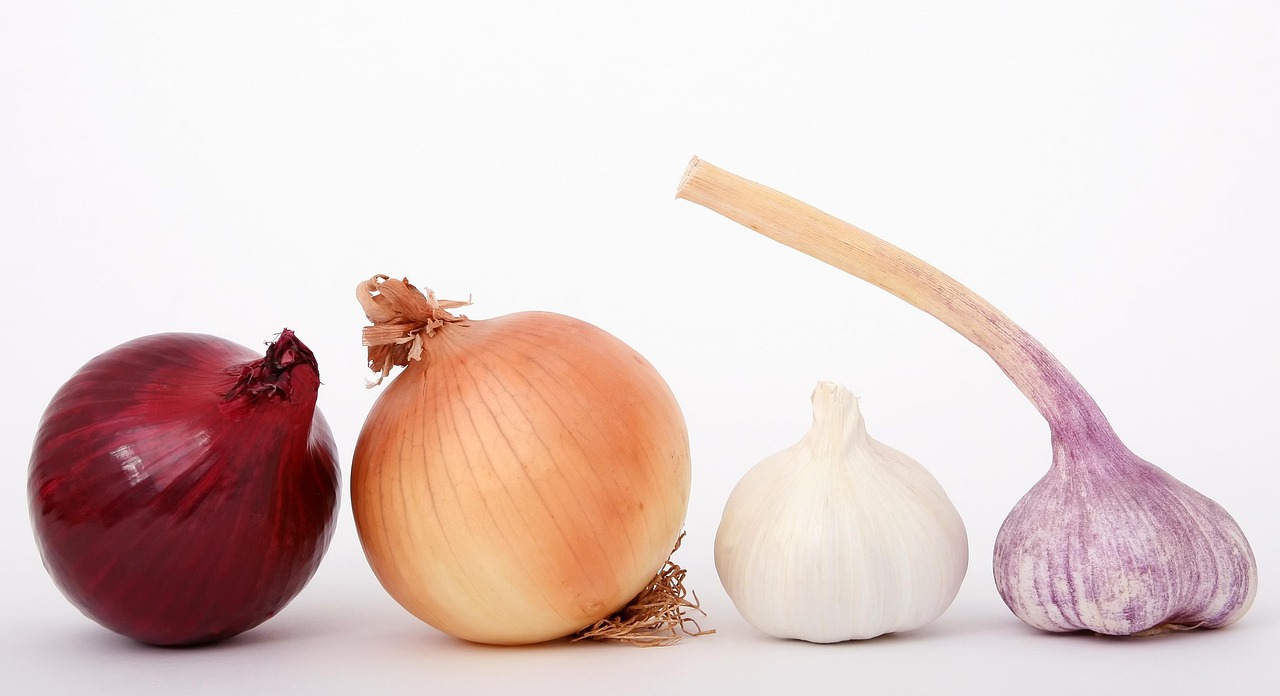
Fresh herbs like basil, cilantro, parsley, mint, and dill contribute vibrant, green notes that elevate dishes immediately. Woody herbs such as rosemary, thyme, sage, and oregano withstand longer cooking and infuse dishes with earthy depth. Aromatic vegetables—onions, garlic, shallots, leeks, celery, and carrots—form the flavor base for countless preparations.
The timing of herb additions matters significantly. Hardy herbs can be added early and cooked, releasing their essential oils gradually. Delicate herbs should be added at the end or used as garnish to preserve their fresh, bright characteristics.
Spices and Heat Elements
Whole and ground spices offer endless possibilities for sodium-free flavor development. Warming spices like cinnamon, cumin, coriander, and cardamom add complexity. Smoky options such as paprika, chipotle powder, and smoked black pepper provide depth. Heat-producing elements including fresh chilies, dried pepper flakes, black pepper, and ginger create sensation and excitement.
Toasting whole spices before grinding releases aromatic compounds and intensifies their flavor contribution. This simple step can dramatically enhance the impact of your spice additions without increasing quantity.
Umami-Rich Ingredients
Umami provides the savory satisfaction often associated with salt. Mushrooms—especially dried varieties like porcini, shiitake, and maitake—concentrate this quality. Tomato paste, sun-dried tomatoes, and roasted tomatoes deliver concentrated umami punch. Nutritional yeast offers a cheese-like, savory note that’s completely sodium-free.
Other umami sources include miso paste (look for low-sodium versions), fermented vegetables, aged cheeses (used sparingly), anchovies (for non-vegetarian dishes), and dried seaweed varieties. These ingredients provide the depth and satisfaction that makes dishes feel complete.
🔥 Layering Techniques: From Base to Finish
Successful flavor layering follows a structured approach, introducing elements at strategic points throughout the cooking process. Each layer builds upon the previous one, creating complexity that simple seasoning cannot achieve.
The Foundation Layer: Building Aromatic Bases
Every great dish starts with a strong foundation. Begin by cooking aromatic vegetables in a small amount of healthy fat. The gentle heat releases their natural sugars and compounds, creating a flavorful base. For Mediterranean dishes, sauté onions, garlic, and celery. Asian preparations might start with ginger, garlic, and scallions. Latin American cooking often begins with sofrito—a mixture of onions, peppers, garlic, and tomatoes.
Take time with this layer. Rushing the aromatic base means missing the caramelization and flavor development that occurs when these ingredients cook properly. Allow onions to become translucent and slightly golden. Let garlic become fragrant without burning. This patience pays dividends in the final dish.
The Body Layer: Developing Core Flavors
Once your aromatic base is established, introduce ingredients that form the body of your dish. This is when you add proteins, main vegetables, grains, or legumes. At this stage, incorporate dried spices and herbs that benefit from cooking time. Sprinkle in cumin, coriander, paprika, or other ground spices, allowing them to bloom in the residual fat.
Add liquid components like sodium-free broths, wine, or tomato products. These carry and distribute flavors throughout the dish. If using umami-rich ingredients like tomato paste or mushroom powder, stir them in now, allowing them to caramelize slightly before adding liquids. This deepens their contribution significantly.
The Middle Layer: Building Complexity
As your dish cooks, introduce additional flavor elements that add complexity. This might include citrus zest (not juice yet—that comes later), whole spices tied in cheesecloth for easy removal, bay leaves, or woody herb sprigs. Add vegetables that need medium cooking times, allowing them to contribute their flavors while maintaining texture.
Consider adding a splash of acid at this stage—vinegar or wine that will mellow with cooking while brightening the overall flavor profile. This intermediate acid addition is different from the finishing acid you’ll add later; it integrates and rounds out flavors rather than providing sharp brightness.
The Finishing Layer: Brightening and Balancing
The final minutes of cooking are crucial for flavor refinement. Taste your dish and identify what it needs. Does it lack brightness? Add fresh citrus juice or a splash of vinegar. Does it need depth? Stir in a small amount of miso paste or nutritional yeast. Is it missing aromatic freshness? Add chopped fresh herbs.
This is also the time to add delicate ingredients that would lose their character with prolonged cooking—fresh herbs, aromatic oils, grated citrus zest, or a grinding of fresh black pepper. These finishing touches create immediate impact and round out the layered flavors you’ve built.
🍽️ Practical Flavor Layering Applications
Understanding theory is valuable, but practical application solidifies your skills. Let’s explore how to apply layering principles to various types of dishes, creating bold flavors without sodium.
Layering in Soups and Stews
Soups benefit tremendously from layering because their liquid nature distributes flavors efficiently. Start by sautéing your aromatic vegetables until deeply colored. Add dried mushrooms for umami depth. Introduce spices and allow them to bloom. Pour in sodium-free stock and add woody herbs. Midway through cooking, add your main vegetables and proteins. Finish with fresh lemon juice, chopped herbs, and a drizzle of quality olive oil.
For tomato-based soups, caramelize your tomato paste before adding liquids—this single step multiplies its flavor contribution. Add a cinnamon stick or star anise for unexpected depth. Finish with fresh basil and a balsamic vinegar drizzle for brightness and complexity.
Layering in Grain and Vegetable Dishes
Grain bowls and vegetable preparations offer excellent opportunities for textural and flavor layering. Toast your grains in a dry pan before cooking to develop nutty notes. Cook them in sodium-free vegetable stock with added aromatics. Roast vegetables with spices until caramelized, creating sweet and savory notes. Prepare a bright, acidic dressing with citrus, herbs, and aromatics.
Assemble your bowl with the seasoned grains as a base, add the roasted vegetables, incorporate fresh raw elements like herbs or quick-pickled vegetables for contrast, and finish with your vibrant dressing. Each component contributes distinct flavors and textures, creating a complete, satisfying experience.
Layering in Protein Preparations
Proteins benefit from both internal and external flavor layering. Create sodium-free marinades using citrus juice, vinegar, herbs, spices, and aromatics. Allow proteins to marinate, absorbing these flavors. Before cooking, pat dry and apply a spice rub for exterior flavor. During cooking, baste with herb-infused oil or marinade remnants.
After cooking, let proteins rest, then finish with a bright sauce or salsa featuring fresh herbs, citrus, and aromatics. This multi-stage approach ensures flavor throughout rather than just on the surface.
📱 Tracking Your Flavor Combinations
As you experiment with sodium-free flavor layering, documenting your combinations helps refine your technique and identify winning formulas. Consider using recipe management apps that allow you to record ingredients, techniques, and tasting notes.
Digital tools make it easy to search your successful combinations when planning future meals, helping you build a personal flavor library that reflects your preferences and dietary needs.
🌶️ Advanced Flavor Layering Strategies
Once you’ve mastered basic layering, advanced techniques take your cooking to professional levels. These strategies require practice but deliver exceptional results.
Temperature Layering
Combining hot and cold elements creates dynamic eating experiences. Serve warm roasted vegetables over cool, herbed grains. Top hot soups with chilled herb oils or fresh salsas. The temperature contrast amplifies flavor perception and creates textural interest that compensates for reduced sodium.
Textural Layering
Varying textures within a dish enhances satisfaction. Combine creamy purées with crunchy toasted nuts, crispy roasted chickpeas with smooth hummus, or tender braised meats with pickled vegetables. These contrasts keep your palate engaged, making each bite interesting and reducing the perceived need for salt.
Compound Flavor Building
Create flavor compounds that combine multiple elements. Make herb oils by blending fresh herbs with quality oil. Prepare spice pastes combining aromatics, spices, and citrus. Develop sodium-free condiments like harissa, chimichurri, or zhug. These concentrated flavor bombs add instant complexity to simple preparations.
🎯 Common Flavor Layering Mistakes to Avoid
Even experienced cooks make errors when transitioning to sodium-free layering. Recognizing these pitfalls helps you avoid them and achieve better results from the start.
The most common mistake is adding all ingredients simultaneously rather than in stages. This creates flat, one-dimensional flavors regardless of what you include. Each element needs its moment to develop properly. Another error is using too little acid—without salt, acid becomes crucial for brightness and balance. Don’t be shy with citrus and vinegar.
Over-relying on single flavor sources instead of combining multiple elements limits complexity. Salt-heavy cooking often uses just one seasoning, but sodium-free approaches require variety. Finally, neglecting to taste and adjust throughout cooking means missing opportunities to correct course before serving.
💡 Creating Your Personal Flavor Profiles
Developing signature flavor combinations makes sodium-free cooking feel natural rather than restrictive. Start by identifying cuisine types you love—Mediterranean, Asian, Latin American, or others—and study their traditional flavor combinations.
Create your own spice blends based on these profiles. A Mediterranean blend might combine oregano, thyme, rosemary, garlic powder, lemon zest, and black pepper. An Asian-inspired mix could feature ginger powder, garlic powder, coriander, cumin, and chili flakes. Having these ready-made combinations streamlines cooking and ensures consistent flavor development.
Experiment with ratios until you find combinations that excite your palate. Keep notes on what works. Over time, you’ll develop instincts for which flavors complement each other and how to layer them effectively for your taste preferences.
🥗 Seasonal Considerations in Flavor Layering
Seasonal ingredients offer peak flavors that require less enhancement, making them ideal for sodium-free cooking. Summer tomatoes need minimal treatment—just fresh basil, good olive oil, and balsamic vinegar. Winter root vegetables develop incredible sweetness when roasted, requiring only herbs and spices to shine.
Adjust your layering approach seasonally. Summer cooking can emphasize freshness with raw herbs, cold acids, and bright flavors. Winter preparations benefit from longer cooking, deeper spices, and warming elements. This seasonal alignment ensures your ingredients contribute maximum flavor with minimum intervention.
🌟 Making Flavor Layering a Lifestyle
Transitioning to sodium-free flavor layering isn’t just about individual recipes—it’s about developing new cooking habits and taste preferences. Your palate adapts remarkably quickly when salt is reduced. Within weeks, you’ll notice increased sensitivity to subtle flavors previously masked by sodium.
This heightened awareness makes cooking more enjoyable and creative. You’ll discover flavor nuances you never noticed before. Foods will taste more like themselves rather than simply “salty.” This transformation makes the sodium-free approach rewarding beyond its health benefits.
Start gradually if the transition feels overwhelming. Replace salt with one alternative flavor layer initially, then add more as you become comfortable. Before long, reaching for multiple flavor-building ingredients instead of the salt shaker will feel completely natural.
🔑 Essential Takeaways for Flavor Layering Success
Mastering sodium-free flavor layering requires patience, experimentation, and willingness to think differently about seasoning. The foundation lies in understanding that salt is just one flavor element among many, and its absence creates opportunities rather than limitations.
Build your arsenal of alternative ingredients—acids, aromatics, spices, herbs, and umami sources. Learn to introduce them strategically throughout the cooking process rather than all at once. Taste frequently and adjust fearlessly. Embrace the creativity that comes with building complex flavors from multiple elements.
Remember that professional chefs don’t rely solely on salt—they use the same layering techniques you’re now learning. By mastering these approaches, you’re developing skills that elevate your cooking beyond simple seasoning to true flavor artistry.
Your dishes will become more interesting, more satisfying, and more memorable. Friends and family will notice the difference, often unable to identify exactly what makes your food taste so extraordinary. That’s the magic of proper flavor layering—it creates complexity that feels natural and complete, proving that bold, exciting flavors never required excessive sodium in the first place.