Latin American cuisine is a kaleidoscope of colors, aromas, and tastes that reflect centuries of cultural fusion. From the fiery chilies of Mexico to the tender meats of Argentina, this culinary tradition invites you to explore bold flavors and authentic cooking techniques.

The vibrant food culture of Latin America isn’t just about sustenance—it’s a celebration of heritage, community, and passion. Each dish tells a story of indigenous traditions blended with Spanish, African, and other global influences, creating a unique gastronomic landscape that continues to captivate food lovers worldwide. Whether you’re a seasoned home cook or just beginning your culinary journey, Latin American recipes offer endless opportunities to experiment with exciting ingredients and cooking methods that will transform your everyday meals into extraordinary experiences.
🌶️ The Essential Spice Palette of Latin America
Understanding the spice foundation of Latin American cooking is crucial for authentic flavor development. The region’s cuisine relies heavily on a distinctive combination of spices that create depth, heat, and complexity in every dish. These aromatic ingredients form the backbone of countless recipes passed down through generations.
Cumin stands as one of the most prevalent spices across Latin American kitchens, providing an earthy, warm undertone to bean dishes, meat preparations, and rice accompaniments. Paprika, both sweet and smoked varieties, adds color and subtle sweetness, particularly in Caribbean and South American recipes. The various forms of chili peppers—from mild poblanos to scorching habaneros—offer a spectrum of heat levels that allow cooks to customize their dishes according to personal preference.
Oregano in Latin American cooking differs from its Mediterranean cousin, featuring a more robust and slightly citrusy profile that complements tomato-based sauces and grilled meats beautifully. Cilantro, though technically an herb, deserves mention for its ubiquitous presence in salsas, ceviches, and garnishes throughout the region. Fresh garlic and onions complete this essential foundation, providing aromatic bases that elevate simple ingredients into memorable meals.
🇲🇽 Mexican Flavors: Beyond Tacos and Burritos
Mexican cuisine represents one of the most diverse and sophisticated culinary traditions in Latin America. The country’s vast geographical diversity has created distinct regional styles, each with unique ingredients and preparation methods. From coastal seafood preparations to hearty mountain stews, Mexican cooking offers far more complexity than popular fast-food interpretations suggest.
Mole, perhaps Mexico’s most celebrated sauce, exemplifies the intricate nature of traditional cooking. This complex preparation can contain over twenty ingredients, including various chilies, chocolate, nuts, seeds, and spices, simmered together to create a rich, multi-dimensional sauce that can take days to perfect. Different regions boast their own mole variations, from the dark, chocolate-rich mole poblano to the green, herbaceous mole verde.
Authentic Mexican Home Cooking Techniques
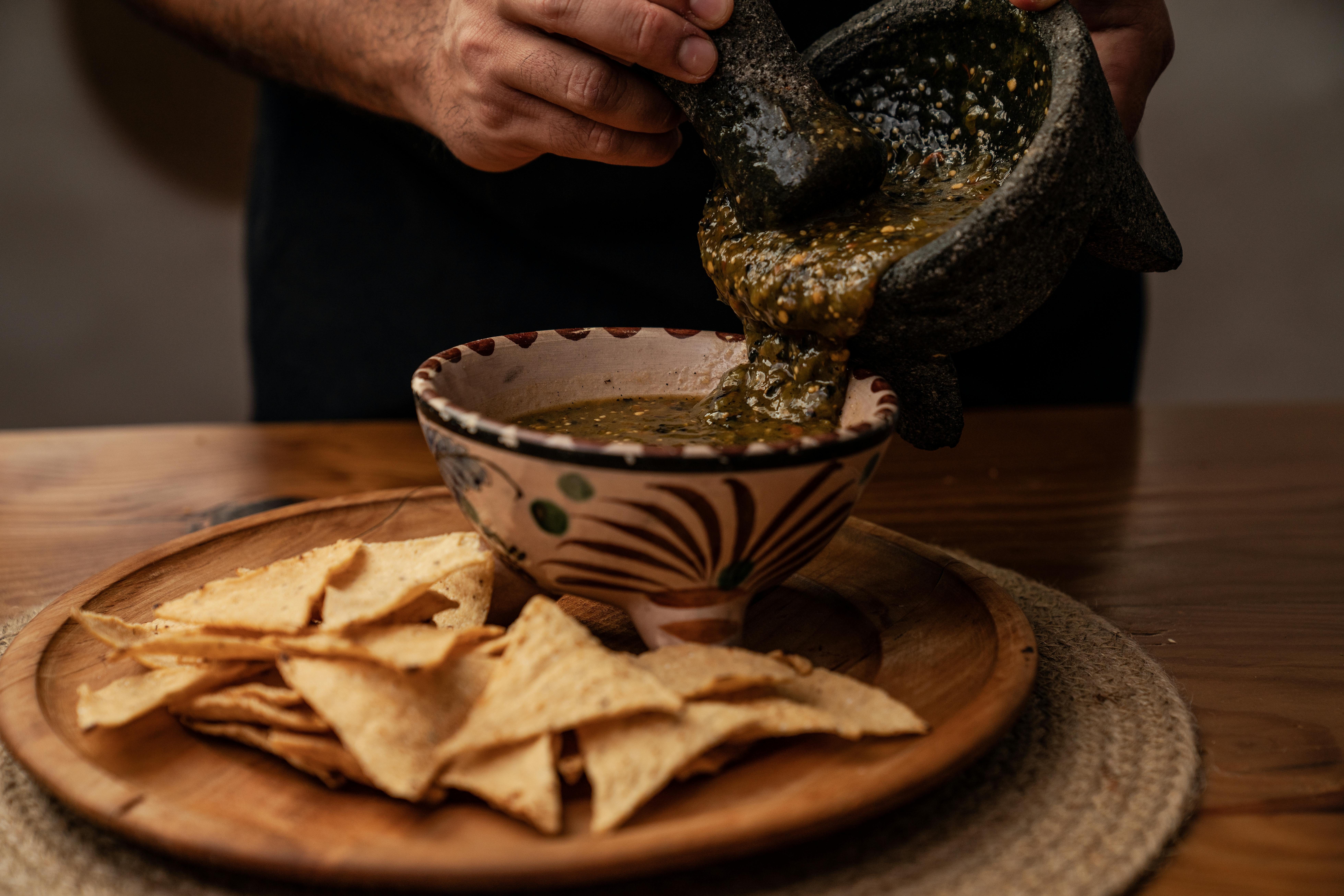
Toasting spices and chilies before grinding releases essential oils and intensifies flavors significantly. This fundamental technique separates authentic Mexican cooking from simplified versions. Dry-roasting tomatoes, tomatillos, and garlic until slightly charred adds smoky depth to salsas and sauces that bottled products cannot replicate.
The traditional Mexican kitchen relies heavily on the molcajete, a volcanic stone mortar and pestle used for grinding spices and making salsas. While modern blenders offer convenience, the molcajete’s rough texture creates unique consistency and flavor that machines cannot duplicate. The comal, a flat griddle, serves as another essential tool for toasting tortillas, roasting vegetables, and preparing various ingredients.
🥩 South American Grilling Traditions
The asado culture of Argentina, Uruguay, and southern Brazil represents more than cooking—it’s a social ritual that brings families and friends together around the grill. This tradition emphasizes quality meat, simple seasoning, and patient cooking over wood or charcoal fires. The result is tender, flavorful meat that showcases the ingredient’s natural taste rather than masking it with heavy sauces.
Chimichurri sauce accompanies most grilled meats in Argentina and Uruguay, providing a bright, herbaceous contrast to rich proteins. This fresh sauce combines parsley, oregano, garlic, olive oil, vinegar, and red pepper flakes, creating a versatile condiment that enhances everything from beef to vegetables. Making chimichurri at home takes only minutes and vastly improves any grilled meal.
Brazilian churrasco traditions include picanha, a prized cut of beef that features a distinctive fat cap that bastes the meat during cooking. The Brazilian approach often involves large skewers of meat cooked slowly over indirect heat, allowing the exterior to caramelize while the interior remains juicy. The rodízio style of service, where various cuts are continuously brought to diners, has become internationally popular.
🌊 Coastal Delights: Seafood Specialties
Latin America’s extensive coastlines provide abundant seafood that features prominently in regional cuisines. Ceviche, perhaps the most recognized Latin American seafood dish, originated in Peru and has spread throughout the continent with regional variations. This preparation “cooks” raw fish in citrus juice, typically lime, creating a refreshing dish perfect for hot climates.
Peruvian ceviche traditionally uses firm white fish, cut into bite-sized pieces and marinated briefly in lime juice with red onions, cilantro, and ají peppers. The acidity of the citrus denatures the fish proteins, changing the texture without heat. The resulting dish is served immediately, often with sweet potato, corn, and crispy cancha (toasted corn). Each coastal country has adapted this concept to local ingredients and preferences.
Ecuadorian and Mexican Variations
Ecuador serves ceviche with a tomato-based broth, creating a soup-like consistency quite different from Peru’s drier version. This preparation often includes shrimp and is served with popcorn or plantain chips for textural contrast. Mexican ceviche incorporates tomatoes, creating a more salsa-like preparation, and may include octopus, shrimp, or mixed seafood alongside fish.
The key to excellent ceviche lies in using impeccably fresh seafood and not over-marinating. Fish should spend only 10-15 minutes in citrus juice to maintain optimal texture—too long creates a mushy consistency. The balance between acid, salt, and heat determines the final flavor profile, with each element playing a crucial role.
🫘 The Heart of Latin Cooking: Beans and Rice
Beans and rice form the nutritional and culinary foundation of Latin American diets, appearing in countless variations across every country. This combination provides complete protein and sustained energy, explaining its prevalence in daily meals. Each culture has developed distinctive preparation methods that transform these humble ingredients into flavorful staples.
Black beans dominate Caribbean and Central American cooking, often prepared with sofrito—a aromatic base of onions, peppers, garlic, and tomatoes. Cuban black beans simmer with bay leaves, cumin, and oregano, creating a thick, savory broth that mingles beautifully with white rice. Venezuelan caraotas negras add a touch of sugar for balance, while Mexican frijoles negros may include epazote, an herb that aids digestion.
Pinto beans reign supreme in Mexican and Tex-Mex cooking, typically served refried (refritos) or whole in their cooking liquid. The “refried” label misleads—beans are actually fried only once, mashed and cooked in lard or oil until creamy. Red beans feature prominently in Central American cuisine, particularly in Costa Rican gallo pinto, where they’re mixed with rice, creating a national breakfast dish.
🌽 Ancient Grains and Modern Tables
Corn holds sacred significance in Latin American culture, dating back to ancient civilizations that considered it a gift from the gods. Nixtamalization, the process of treating corn with lime (calcium hydroxide), unlocks essential nutrients and creates the masa used for tortillas, tamales, and numerous other preparations. This ancient technique demonstrates sophisticated understanding of nutrition and food chemistry.
Fresh tortillas made from nixtamalized corn bear little resemblance to store-bought versions. The process involves soaking dried corn kernels in lime water, grinding them into masa, and pressing them into thin rounds before cooking on a hot comal. The result is a fragrant, pliable tortilla with complex flavor that serves as the foundation for countless dishes.
Quinoa: The Andean Superfood
Quinoa, native to the Andean region, has achieved global superfood status while remaining a staple in Bolivian, Peruvian, and Ecuadorian cooking. This ancient grain contains all nine essential amino acids, making it a complete protein source. Traditional preparations include quinoa soups, grain bowls, and even fermented beverages.
Cooking quinoa properly requires rinsing to remove saponins, natural compounds that create bitterness. Using a 2:1 ratio of liquid to quinoa and simmering until the grain becomes translucent and the germ separates creates fluffy, tender results. Toasting quinoa briefly before cooking enhances its natural nutty flavor significantly.
🍹 Beverages That Complete the Experience
Latin American beverages range from non-alcoholic refreshers to potent cocktails, each contributing to the region’s culinary identity. Horchata, a sweet rice-based drink popular in Mexico and Central America, provides cooling relief from spicy foods. Agua frescas, made from fresh fruit blended with water and sugar, offer endless flavor possibilities using seasonal ingredients.
Mate, the caffeinated tea consumed throughout southern South America, represents a social ritual as much as a beverage. Shared from a hollowed gourd through a metal straw (bombilla), mate brings people together in a communal experience. The slightly bitter, herbal flavor takes some adjustment for newcomers, but the energy boost and social aspect make it deeply embedded in regional culture.
Latin cocktails have achieved international fame, with margaritas, mojitos, and caipirinhas appearing on bar menus worldwide. The Brazilian caipirinha muddles fresh lime with sugar before adding cachaça (sugarcane spirit) and ice, creating a refreshing drink that balances sweet, sour, and alcoholic elements perfectly. Mexican margaritas traditionally use fresh lime juice, tequila, and orange liqueur, avoiding the artificial mixes that dominate commercial versions.
🥘 One-Pot Wonders: Comforting Stews and Soups
Latin American stews and soups showcase the region’s approach to comfort food—generous portions of protein, vegetables, and starches simmered together until flavors meld completely. These dishes often taste better the next day, making them ideal for batch cooking and meal preparation. The diversity of regional stews reflects local ingredients and climate variations.
Colombian ajiaco combines three types of potatoes with chicken, corn, and guasca (an herb unique to the region) in a creamy soup topped with capers and cream. The different potato varieties create varied textures, from firm chunks to dissolved starch that thickens the broth naturally. This Bogotá specialty demonstrates how simple ingredients become extraordinary through thoughtful combination.
Pozole, a Mexican hominy stew, exists in red, green, and white variations depending on the chilies and ingredients used. This celebratory dish traditionally features pork shoulder and hominy (nixtamalized corn kernels) simmered for hours until tender. The fun comes at serving time, when diners customize their bowls with toppings like shredded cabbage, radishes, oregano, lime, and tostadas.
🍰 Sweet Endings: Desserts Worth Savoring
Latin American desserts often feature dulce de leche, a caramelized milk preparation used in countless applications. This sweet, creamy substance appears in cakes, cookies, ice cream, and as a topping for fresh fruit. Making dulce de leche at home requires patience but rewards with superior flavor compared to commercial versions.
Tres leches cake exemplifies Latin American dessert ingenuity—a simple sponge cake soaked in three types of milk (evaporated, condensed, and cream) becomes incredibly moist and flavorful. Topped with whipped cream or meringue, this dessert appears at celebrations throughout Latin America with regional variations in presentation and flavoring.
Flan, the silky caramel custard, demonstrates Spanish influence on Latin American sweets. Each country adds unique touches—Mexican flan often includes cream cheese for extra richness, while Brazilian pudim de leite uses condensed milk for intense sweetness. The key to perfect flan lies in gentle baking in a water bath, which ensures even cooking and prevents curdling.
🔥 Building Your Latin Pantry
Creating authentic Latin American dishes at home begins with stocking essential ingredients. While fresh items like herbs and produce should be purchased as needed, certain shelf-stable products form the foundation of a well-equipped Latin pantry. Investing in quality versions of these basics dramatically improves cooking results.
- Dried chilies in various heat levels and flavor profiles (ancho, guajillo, chipotle, árbol)
- Whole spices for toasting and grinding fresh (cumin seeds, Mexican oregano, peppercorns)
- Canned beans for quick meals (black, pinto, red beans)
- Quality corn tortillas or masa harina for making your own
- Latin cheese varieties (queso fresco, cotija, Oaxaca cheese)
- Citrus fruits (limes, bitter oranges, lemons)
- Achiote paste or seeds for coloring and flavor
- Good quality white rice and dried beans
- Plantains, yuca, and other regional produce when available
- Mexican chocolate or cocoa for mole preparations
🎯 Tips for Authentic Flavor Development
Achieving authentic Latin American flavors requires understanding techniques beyond simply following recipes. The layering of flavors through proper technique creates depth that distinguishes exceptional cooking from merely adequate results. Professional chefs and home cooks alike benefit from mastering these fundamental approaches.
Building sofrito or refrito bases by slowly cooking aromatics until deeply caramelized creates rich foundations for beans, rice, and stews. Rushing this step results in raw, harsh flavors that undermine the entire dish. Taking time to properly develop these bases pays dividends in the final product’s complexity and satisfaction.
Blooming spices in oil or dry toasting before grinding releases essential oils and creates more pronounced flavors. This extra step, taking only minutes, dramatically elevates dishes. Similarly, charring vegetables and chilies adds smoky depth that canned or jarred products cannot replicate, bringing authentic restaurant-quality results to home cooking.
🌟 Embarking on Your Culinary Journey
Latin American cooking welcomes experimentation and personal adaptation while honoring traditional techniques and flavor combinations. Starting with simple recipes and gradually building skills allows cooks to develop confidence before tackling more complex preparations. The beauty of this cuisine lies in its accessibility—many authentic dishes require only basic equipment and readily available ingredients.
Regional variations mean that no single “correct” version of most dishes exists. Mexican families debate proper mole preparation with the same passion Italian families discuss pasta sauce. This diversity invites cooks to explore different approaches and discover personal preferences. Embrace the adventure of trying new ingredients, techniques, and flavor combinations as you develop your Latin American cooking repertoire.
The social aspect of Latin American food culture emphasizes sharing meals with loved ones, making cooking an act of love and community building. Whether preparing a simple pot of beans or embarking on an elaborate mole project, the time invested in cooking connects us to centuries of culinary tradition while creating new memories around the table. Let the vibrant flavors, colors, and aromas of Latin America inspire your next culinary adventure and bring joy to your kitchen.