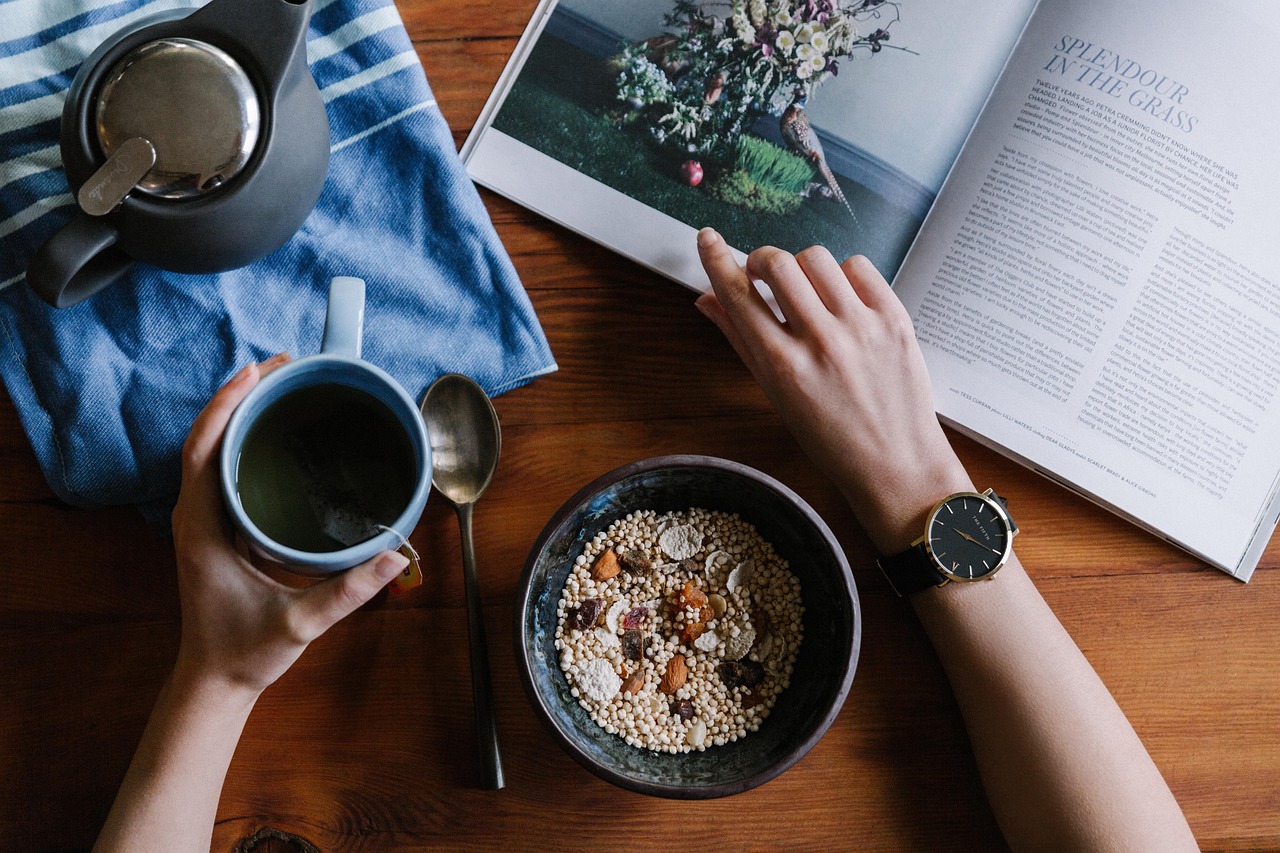
Food is more than fuel—it’s culture, memory, and medicine rolled into one delicious experience. By exploring the culinary traditions from around the globe, we can discover balanced meals that satisfy both our taste buds and our nutritional needs.

Every region of the world has developed unique approaches to combining ingredients that not only taste extraordinary but also provide remarkable health benefits. From the Mediterranean coast to the bustling streets of Tokyo, from the spice markets of India to the fresh-focused kitchens of Scandinavia, each cuisine offers valuable lessons in creating meals that nourish body and soul while exciting our palates with complex flavors and textures.
🌍 The Universal Language of Balanced Eating
Balanced nutrition transcends borders and cultural boundaries. Despite vast differences in available ingredients, cooking techniques, and flavor profiles, traditional cuisines worldwide share common principles that promote health and longevity. These time-tested approaches emphasize whole foods, seasonal ingredients, moderate portions, and the social aspect of eating together.
The beauty of global cuisines lies in their natural balance. Traditional eating patterns developed over centuries typically incorporate vegetables, whole grains, lean proteins, and healthy fats in proportions that modern nutritional science now validates. These aren’t restrictive diets but rather sustainable ways of eating that celebrate flavor while supporting wellness.
🍋 Mediterranean Magic: The Gold Standard of Healthy Eating
The Mediterranean diet consistently ranks among the healthiest eating patterns in the world. This isn’t surprising when you consider its foundation: abundant vegetables, fruits, whole grains, legumes, nuts, and olive oil as the primary fat source. Fish and seafood appear regularly, while poultry, eggs, cheese, and yogurt feature in moderation.
A typical Mediterranean meal might include grilled fish seasoned with lemon and herbs, a generous Greek salad with tomatoes, cucumbers, olives, and feta cheese, whole grain bread dipped in extra virgin olive oil, and fresh fruit for dessert. This combination delivers omega-3 fatty acids, antioxidants, fiber, and satisfying flavors without excessive calories.
Building Your Mediterranean Plate
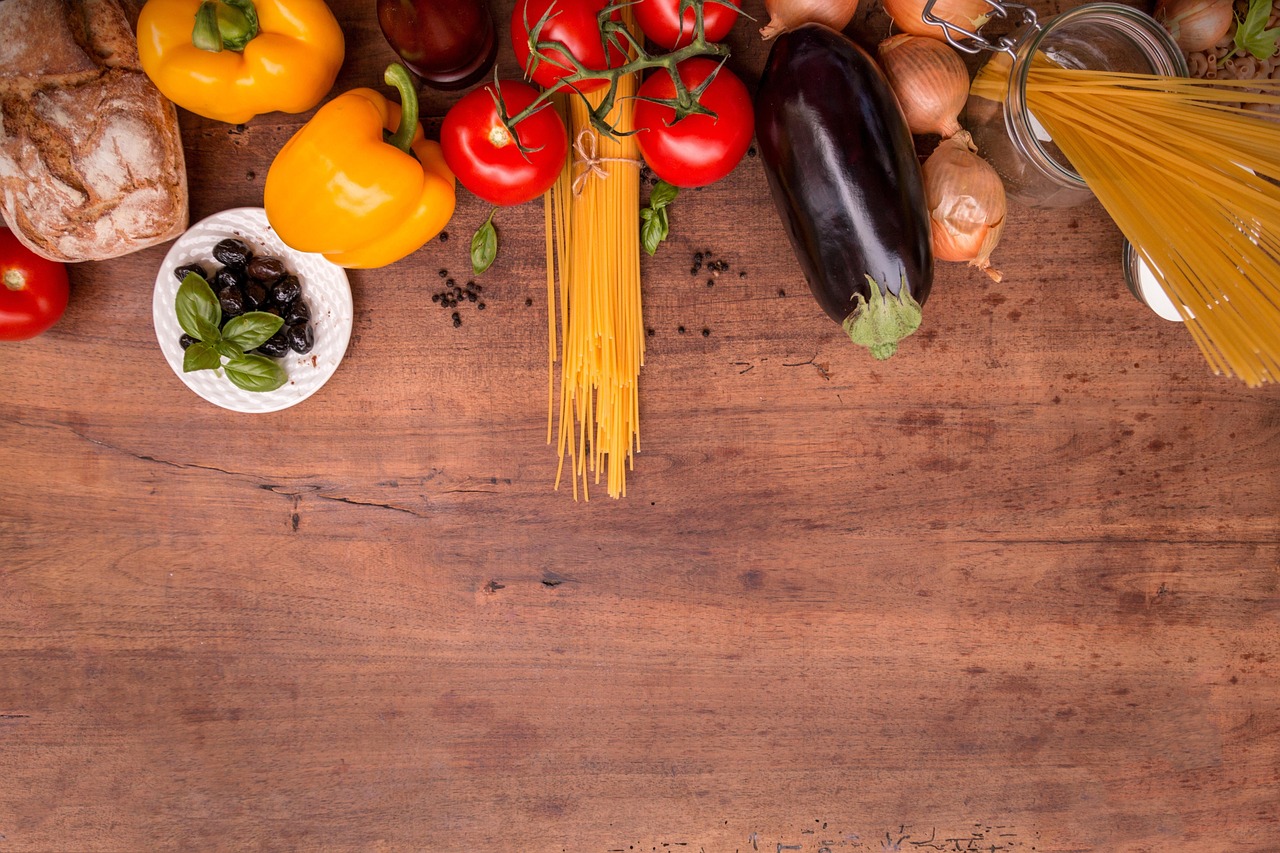
Creating a balanced Mediterranean-inspired meal is refreshingly simple. Fill half your plate with colorful vegetables—whether raw in salads, roasted with herbs, or sautéed with garlic. Add a palm-sized portion of protein like grilled chicken, baked fish, or chickpeas. Complete the meal with a serving of whole grains such as bulgur, farro, or whole wheat pasta, and don’t forget a drizzle of quality olive oil.
🍜 Asian Wisdom: Balance Through Variety and Mindfulness
Asian cuisines offer incredible diversity, but many share common threads: rice or noodles as a base, abundant vegetables, smaller portions of protein, and flavor-building ingredients like ginger, garlic, soy sauce, and fresh herbs. The Japanese concept of “hara hachi bu”—eating until 80% full—promotes natural portion control.
Japanese cuisine exemplifies nutritional balance with its emphasis on fish, fermented foods like miso and natto, seaweed, green tea, and vegetables prepared to preserve their natural flavors. A traditional Japanese breakfast might include grilled salmon, miso soup with tofu, steamed rice, pickled vegetables, and nori seaweed—providing protein, probiotics, omega-3s, and phytonutrients.
The Art of the Balanced Asian Bowl
Asian-inspired bowls have become popular worldwide for good reason. Start with a base of brown rice, quinoa, or soba noodles. Add colorful vegetables like bok choy, carrots, snap peas, and mushrooms. Include a protein source such as tofu, edamame, shrimp, or thinly sliced beef. Top with sesame seeds, fresh herbs like cilantro or Thai basil, and a light dressing made from rice vinegar, sesame oil, and a touch of honey or mirin.
🌶️ Latin American Vibrancy: Color, Flavor, and Nutrition
Latin American cuisines burst with vibrant colors and bold flavors that reflect the region’s agricultural abundance. Beans and rice form the protein-rich foundation of many meals, while corn, tomatoes, avocados, peppers, and tropical fruits add nutritional variety. Fresh herbs like cilantro and lime juice brighten dishes without added calories.
A balanced Latin American meal might feature black bean and vegetable tacos on whole grain tortillas, topped with fresh pico de gallo, avocado slices, and a squeeze of lime. Serve alongside a simple salad with jicama and citrus segments. This combination provides plant-based protein, healthy fats, fiber, vitamins, and satisfying flavors.
Superfoods from South and Central America
Latin American ingredients have gained superfood status for good reason. Quinoa provides complete protein with all essential amino acids. Chia seeds offer omega-3 fatty acids and fiber. Black beans deliver protein, iron, and antioxidants. Avocados provide heart-healthy monounsaturated fats. Incorporating these ingredients into your regular rotation adds both nutritional value and exciting flavors to your meals.
🥘 Middle Eastern Abundance: Ancient Grains and Legumes
Middle Eastern cuisine celebrates legumes, whole grains, vegetables, and aromatic spices. Hummus, falafel, tabbouleh, and baba ganoush showcase the region’s plant-forward approach. Grilled meats appear as accompaniments rather than centerpieces, and meals often include multiple small dishes—mezze—encouraging variety and moderation.
A typical Middle Eastern spread might include hummus with vegetable crudités, fattoush salad with crispy pita, grilled chicken skewers with yogurt sauce, and bulgur pilaf with herbs. This meal delivers protein, fiber, probiotics from yogurt, and an array of vitamins and minerals from the vegetables and whole grains.
🐟 Nordic Simplicity: Clean Flavors and Seasonal Eating
Nordic cuisine has gained attention for its focus on simplicity, seasonality, and preservation techniques. Fatty fish like salmon and herring provide omega-3s, while root vegetables, berries, and whole grains like rye and oats offer fiber and antioxidants. Fermented foods like pickled vegetables support gut health.
A balanced Nordic-inspired meal might feature baked salmon with dill, roasted root vegetables like carrots and beets, boiled new potatoes, and a simple cucumber salad. Finish with berries and yogurt. This combination is nutrient-dense, satisfying, and showcases ingredients at their natural best.
🍛 Indian Spice: Flavor and Functional Benefits
Indian cuisine demonstrates how spices can transform simple ingredients while providing health benefits. Turmeric contains anti-inflammatory compounds, cumin aids digestion, and ginger supports immune function. The traditional thali—a plate with various small portions—naturally encourages dietary diversity.
A balanced Indian meal might include dal (lentil curry) for protein and fiber, vegetable curry with cauliflower and peas, a small portion of whole grain roti or brown rice, raita (yogurt with cucumber) for probiotics, and a side of pickled vegetables. This combination delivers complete nutrition with bold, satisfying flavors.
🥗 Building Your Global Balanced Plate: Universal Principles
Despite their differences, healthy traditional cuisines share common elements that you can apply to any meal. Understanding these principles allows you to create balanced plates inspired by any region while meeting your nutritional needs.
The Half-Plate Vegetable Rule
Whether it’s Mediterranean tomato salad, Asian stir-fried greens, or Latin American peppers and onions, filling half your plate with vegetables ensures adequate fiber, vitamins, minerals, and phytonutrients while keeping calories in check. Aim for variety in colors to maximize nutritional diversity.
Quality Protein in Moderation
Traditional cuisines typically feature modest protein portions—around a quarter of the plate. Fish, legumes, poultry, eggs, tofu, and occasional red meat all have their place. The key is variety and appropriate portion sizes, letting protein play a supporting rather than starring role.
Whole Grains as Foundation
From Italian farro to Indian roti, from Japanese brown rice to Mexican corn tortillas, whole grains provide sustained energy, fiber, and B vitamins. They should occupy about a quarter of your plate, balancing the meal and providing satisfying substance.
Healthy Fats for Flavor and Satiety
Olive oil in Mediterranean cooking, avocado in Mexican cuisine, sesame oil in Asian dishes, and nuts in Middle Eastern preparations all demonstrate how healthy fats enhance both flavor and nutrient absorption while promoting satiety.
🍽️ Practical Tips for Global-Inspired Home Cooking
You don’t need specialized equipment or hard-to-find ingredients to create globally-inspired balanced meals. Focus on principles rather than perfection, and build your pantry gradually with versatile staples from various culinary traditions.
Stock a Global Pantry
Keep olive oil, sesame oil, and coconut oil on hand. Stock dried legumes like chickpeas, lentils, and black beans. Include whole grains such as brown rice, quinoa, bulgur, and whole wheat pasta. Maintain a spice collection with basics like cumin, turmeric, paprika, coriander, and cinnamon. These ingredients form the foundation for countless global dishes.
Master Basic Techniques
Learn to properly cook grains, sauté vegetables without excess oil, make simple vinaigrettes, and prepare legumes from scratch or canned. These fundamental skills apply across cuisines and allow you to create balanced meals inspired by any tradition.
Start with Familiar Foods
Transform familiar meals with global inspiration. Add Mediterranean flavors to your grilled chicken with lemon and oregano. Give your rice bowl Asian flair with ginger, garlic, and soy sauce. Incorporate Middle Eastern spices into your roasted vegetables. Small changes introduce new flavors while maintaining comfort and familiarity.
🌟 Meal Planning Across Continents
Planning a week of globally-inspired meals ensures dietary variety while preventing boredom. Assign different regions to different nights, creating a culinary journey that keeps meals interesting and nutritionally diverse.
Monday might feature Mediterranean baked fish with Greek salad. Tuesday could showcase an Asian stir-fry with tofu and vegetables over brown rice. Wednesday brings Latin American bean bowls with all the toppings. Thursday offers Middle Eastern mezze platters with hummus and falafel. Friday presents Nordic-inspired salmon with roasted roots. This approach naturally provides varied nutrients and prevents dietary monotony.
⚖️ Portion Control Through Cultural Wisdom
Many traditional cuisines incorporate natural portion control methods. The Japanese use smaller plates and bowls. Mediterranean cultures emphasize social dining, which naturally slows eating pace. Indian thalis provide predetermined portions of various dishes. Learning from these cultural practices helps manage portions without feeling restricted.
Using smaller serving dishes, eating more slowly, starting meals with soup or salad, and focusing on the social aspects of dining all promote satisfaction with appropriate portions. These cultural practices align with modern research on mindful eating and portion awareness.
🎯 Customizing Global Meals for Your Needs
The beauty of globally-inspired eating is its flexibility. Whether you’re managing diabetes, following a plant-based diet, dealing with food allergies, or simply pursuing general wellness, these culinary traditions offer adaptable frameworks.
For plant-based eaters, focus on Mediterranean legume dishes, Asian tofu preparations, Indian dal, and Middle Eastern falafel and hummus. For low-carb approaches, emphasize protein and vegetable-forward dishes from any region while moderating grains. For heart health, lean into Mediterranean and Nordic patterns with their emphasis on fish, vegetables, and healthy fats.
🌱 Sustainability Meets Tradition
Traditional cuisines evolved from local, seasonal ingredients out of necessity. This inherent sustainability offers lessons for modern eating. Choosing seasonal produce, emphasizing plant-based proteins, reducing food waste, and cooking from scratch all honor traditional practices while supporting environmental health.
Many global cuisines excel at using every part of ingredients—vegetable scraps for broths, stale bread for salads like fattoush or panzanella, and versatile legumes as affordable, sustainable protein. These practices reduce waste while maximizing nutrition and flavor.
💪 The Health Benefits of Global Eating Patterns
Research consistently shows that traditional dietary patterns from various regions promote longevity and reduce chronic disease risk. The Mediterranean diet reduces heart disease and cognitive decline. Asian dietary patterns with their emphasis on vegetables, fish, and fermented foods support metabolic health. Plant-forward Latin American and Middle Eastern cuisines provide fiber and antioxidants.
These benefits stem not from single “superfoods” but from overall patterns emphasizing whole foods, plant diversity, appropriate portions, and healthy fats while limiting processed foods, added sugars, and excessive red meat. The combination creates synergistic health effects greater than any individual component.
🎉 Celebrating Food Culture While Eating Well
Exploring global cuisines transforms healthy eating from restrictive dieting to culinary adventure. Each tradition offers new flavors, techniques, and ingredients to discover. This approach maintains long-term sustainability because it focuses on abundance, pleasure, and variety rather than deprivation.
Invite friends for themed dinner nights showcasing different cuisines. Visit ethnic markets to discover new ingredients. Try one new recipe each week from a different culinary tradition. These experiences make healthy eating engaging, social, and culturally enriching rather than a solitary pursuit of nutrition goals.
🔄 Making Global Eating Your Lifestyle
Transitioning to globally-inspired balanced eating doesn’t require overnight transformation. Start by incorporating one or two international meals weekly. Gradually expand your repertoire of recipes, ingredients, and techniques. Notice which flavors and dishes you enjoy most, and build from there.
Remember that traditional cuisines developed over centuries as sustainable ways of eating, not as temporary diets. Approach this journey with curiosity and patience, allowing your palate to expand and your cooking skills to develop. The goal is creating a personalized eating pattern that draws from global wisdom while fitting your lifestyle, preferences, and health needs.
By savoring the world’s cuisines, you discover that balanced eating isn’t about restriction or bland food—it’s about abundance, flavor, and nourishment. Each region offers unique contributions to your health and culinary repertoire. When you combine Mediterranean olive oil with Asian ginger, Latin American beans with Middle Eastern spices, and Nordic simplicity with Indian complexity, you create a truly global approach to eating well. This diversity ensures nutritional completeness while keeping meals endlessly interesting, making healthy eating not just sustainable but genuinely enjoyable for life.