
Modern family life moves at lightning speed, leaving little room for daily dinner dilemmas. Weekly meal planning transforms chaos into calm, giving you back precious time and mental energy.

If you’re tired of the 5 PM panic about what’s for dinner, you’re not alone. Thousands of busy families are discovering that a simple weekly meal plan can revolutionize their evenings, reduce food waste, and bring everyone back to the table together. The secret isn’t complicated recipes or expensive meal kits—it’s about creating a realistic system that works for your unique family rhythm.
🎯 Why Weekly Meal Planning Changes Everything
The average parent makes over 200 food-related decisions daily, leading to decision fatigue that peaks right when you’re already exhausted. Weekly meal planning eliminates this mental burden by frontloading those decisions into one focused planning session.
Beyond reducing stress, meal planning delivers tangible benefits that impact your wallet, health, and family dynamics. Families who plan meals save an average of $2,000 annually on groceries by avoiding impulse purchases and reducing food waste. You’ll also notice healthier eating patterns emerge naturally when you’re not defaulting to takeout three nights a week.
Research shows that families who eat together regularly experience stronger communication, better academic performance in children, and improved emotional well-being across all age groups. Meal planning makes these family dinners achievable rather than aspirational.
🗓️ Getting Started: Your First Planning Session
Choose a consistent day and time for your weekly planning session—Sunday afternoon or Thursday evening work well for most families. Block out 30-45 minutes initially; you’ll get faster with practice, eventually completing plans in 15-20 minutes.
Before diving into recipes, take inventory of what you already have. Check your refrigerator, freezer, and pantry for ingredients nearing expiration or forgotten items that can inspire meals. This practice alone can slash your grocery bill significantly.
The Foundation: Building Your Planning Framework
Start by mapping out your week’s schedule. Soccer practice on Tuesday? That’s a slow-cooker or 20-minute meal night. Date night Friday? Plan leftovers for the kids. Aligning meals with your family’s activities prevents ambitious plans from derailing.
Create theme nights to simplify decision-making even further. Meatless Monday, Taco Tuesday, Pasta Wednesday, Slow-Cooker Thursday, Pizza Friday, Grill Saturday, and Leftover Sunday provide structure while maintaining variety. Themes give you boundaries that actually spark creativity rather than limit it.
Consider everyone’s preferences and dietary needs upfront. If your toddler refuses green foods while your teenager is exploring vegetarianism, acknowledge these realities in your planning. Flexibility within structure prevents frustration for everyone.
📝 Creating Your Master Meal List
Building a rotating collection of 15-20 reliable recipes eliminates the paralysis of infinite options. These should be meals your family genuinely enjoys, that match your cooking skill level, and can be prepared within your typical weeknight time constraints.
Categorize your master list by preparation time and complexity. Quick weeknight meals (under 30 minutes), moderate effort meals (30-45 minutes), and weekend-worthy projects give you appropriate options for different days. Include at least five meals that can be doubled and frozen for emergency backup.
Digital tools can streamline this process significantly. Apps like Paprika, Mealime, or Plan to Eat allow you to store recipes, generate shopping lists automatically, and access your meal plans from anywhere. Many families find that a simple spreadsheet or notebook works equally well—choose whatever system you’ll actually use consistently.
🛒 Strategic Shopping: From Plan to Plate
Transform your meal plan into a organized shopping list grouped by store sections: produce, proteins, dairy, pantry staples. This organization cuts shopping time dramatically and reduces those expensive “just browsing” impulse additions.
Shop your pantry first, then fill gaps with store trips. Many families successfully use grocery pickup or delivery services, saving time and avoiding temptation. While these services include fees, the money saved from impulse purchases often offsets the cost.
Smart Shopping Strategies That Save Time and Money
Buy proteins on sale and freeze them immediately with marinades in labeled bags. When you’re ready to cook, simply thaw—the meat marinates as it defrosts, and you’ve saved money by purchasing strategically rather than desperately.
Invest in quality storage containers that keep produce fresh longer. Pre-washing and chopping vegetables during a Sunday prep session means weeknight cooking becomes assembly rather than full production. Even 20 minutes of prep work yields significant time savings throughout the week.
Stock a well-equipped pantry with staples that enable quick meals: canned beans, tomatoes, broth, pasta, rice, quinoa, frozen vegetables, and versatile spices. When your foundation is solid, you can create satisfying meals even when fresh shopping doesn’t happen.
⏰ Time-Saving Meal Prep Techniques
Batch cooking doesn’t mean eating the same thing seven days straight. Instead, prepare versatile components that can be mixed and matched: grilled chicken, roasted vegetables, cooked grains, and simple sauces create multiple meal combinations.
Embrace the power of multitasking. While the oven roasts vegetables for tonight’s dinner, bake chicken for tomorrow’s salads. As pasta water boils, chop ingredients for Wednesday’s stir-fry. Strategic kitchen choreography maximizes efficiency without increasing actual work time.
The Two-Hour Power Prep Session
Dedicate two hours on the weekend to transformative prep work. Wash and chop all vegetables, cook multiple proteins using different methods, prepare two crockpot meals to freeze, and portion snacks for the week. This upfront investment pays dividends in stress-free weeknights.
Not everyone has two consecutive hours available. Break prep into smaller chunks: 20 minutes Friday evening, 30 minutes Saturday morning, 45 minutes Sunday afternoon. Progress compounds regardless of how you divide the time.
👨👩👧👦 Getting the Whole Family Involved
Meal planning shouldn’t fall entirely on one person’s shoulders. Family involvement distributes work, teaches valuable life skills, and increases everyone’s investment in actually eating what’s planned.
Let kids choose one meal weekly from age-appropriate options. Teenagers can take ownership of preparing one dinner per week. Partners can alternate planning weeks or divide responsibilities—one plans, the other shops, both cook together. Find what works for your family’s dynamics.
Even young children can contribute by setting the table, washing vegetables, or stirring ingredients. These small tasks build competence and connection while lightening your load. Cooking together creates memories that last far beyond the meal itself.
🔄 Adapting Your Plan When Life Happens
Perfect execution isn’t the goal—consistent progress is. When Tuesday’s elaborate meal doesn’t happen because work ran late, shift it to Friday and substitute something simpler. Flexibility prevents the all-or-nothing thinking that derails many planning efforts.
Keep emergency backup meals available for truly chaotic days: frozen pizzas, rotisserie chicken with bagged salad, breakfast for dinner, or canned soup with grilled cheese. These aren’t failures—they’re strategic choices that keep you from defaulting to expensive takeout.
Seasonal Adjustments and Menu Rotation
Your meal plan should evolve with seasons, both calendar and life. Summer calls for lighter, grill-focused meals, while winter invites hearty soups and casseroles. Back-to-school routines differ dramatically from summer vacation schedules—adjust accordingly.
Rotate your master meal list quarterly, retiring recipes that no longer appeal and adding new discoveries. This prevents boredom while maintaining the efficiency of familiar meals. Try one new recipe weekly to keep things interesting without overwhelming yourself.
💰 Maximizing Your Budget Through Planning
Strategic meal planning is one of the most effective ways to reduce food spending without sacrificing quality or satisfaction. By planning around sales, seasonal produce, and pantry staples, families typically reduce grocery costs by 25-30%.
Plan meals that share ingredients across multiple dishes. If Wednesday calls for cilantro in tacos, incorporate it into Thursday’s Thai curry and Friday’s grain bowl. This cross-utilization prevents half-used ingredients wilting in your refrigerator.
Embrace less expensive proteins strategically. Beans, lentils, eggs, and canned fish deliver nutrition at a fraction of meat costs. Even one or two meatless meals weekly creates significant savings while adding variety and health benefits to your family’s diet.
📊 Tracking Success and Adjusting Your System
After four weeks of meal planning, evaluate what’s working and what isn’t. Which meals did everyone enjoy? What shopping strategies saved the most time? When did plans derail, and why? This reflection refines your system continuously.
Keep notes directly on your meal plan: “doubled this for leftovers,” “kids hated this,” or “prep took 45 minutes, not 20.” These annotations make future planning exponentially easier and more realistic.
Measuring Beyond Money: The Hidden Benefits
Track metrics beyond dollars saved. Notice reduced stress levels when you’re not scrambling at 6 PM. Observe improved family conversations at dinner. Recognize the satisfaction of confidently answering “what’s for dinner?” any day of the week.
Many families report unexpected benefits: weight management improves, food allergies become easier to navigate, and picky eaters gradually expand their preferences when exposed to variety without pressure. These lifestyle improvements compound over time.
🚀 Advanced Strategies for Meal Planning Masters
Once basic planning becomes routine, experiment with advanced techniques. Plan two weeks at a time to maximize bulk shopping savings. Create freezer meal banks where you dedicate one day monthly to preparing 15-20 complete freezer meals for ultimate convenience.
Develop swap lists for your favorite recipes—substitutions that work when you’re missing an ingredient. Knowing that Greek yogurt can replace sour cream, or that any vinegar works in most dressings, prevents unnecessary store runs and reduces waste.
Connect with other planning families to share ideas, swap meals occasionally, or coordinate shopping trips. Community support makes the process more enjoyable and introduces you to new recipes and strategies you wouldn’t discover alone.
🌟 Making It Sustainable for the Long Haul
The best meal planning system is the one you’ll maintain consistently, not the most elaborate or Instagram-worthy approach. Start simple, build habits gradually, and resist the temptation to overcomplicate what works.
Give yourself grace during transitions, illnesses, or unusually busy periods. Scaling back to survival mode occasionally doesn’t erase the habit you’ve built. Resume your routine when life stabilizes, and you’ll find it easier to restart than you’d expect.
Celebrate wins, however small. Successfully executing three planned dinners in a week deserves recognition. Trying a new recipe that everyone enjoyed is worth noting. These positive reinforcements build momentum that carries you through challenging weeks.
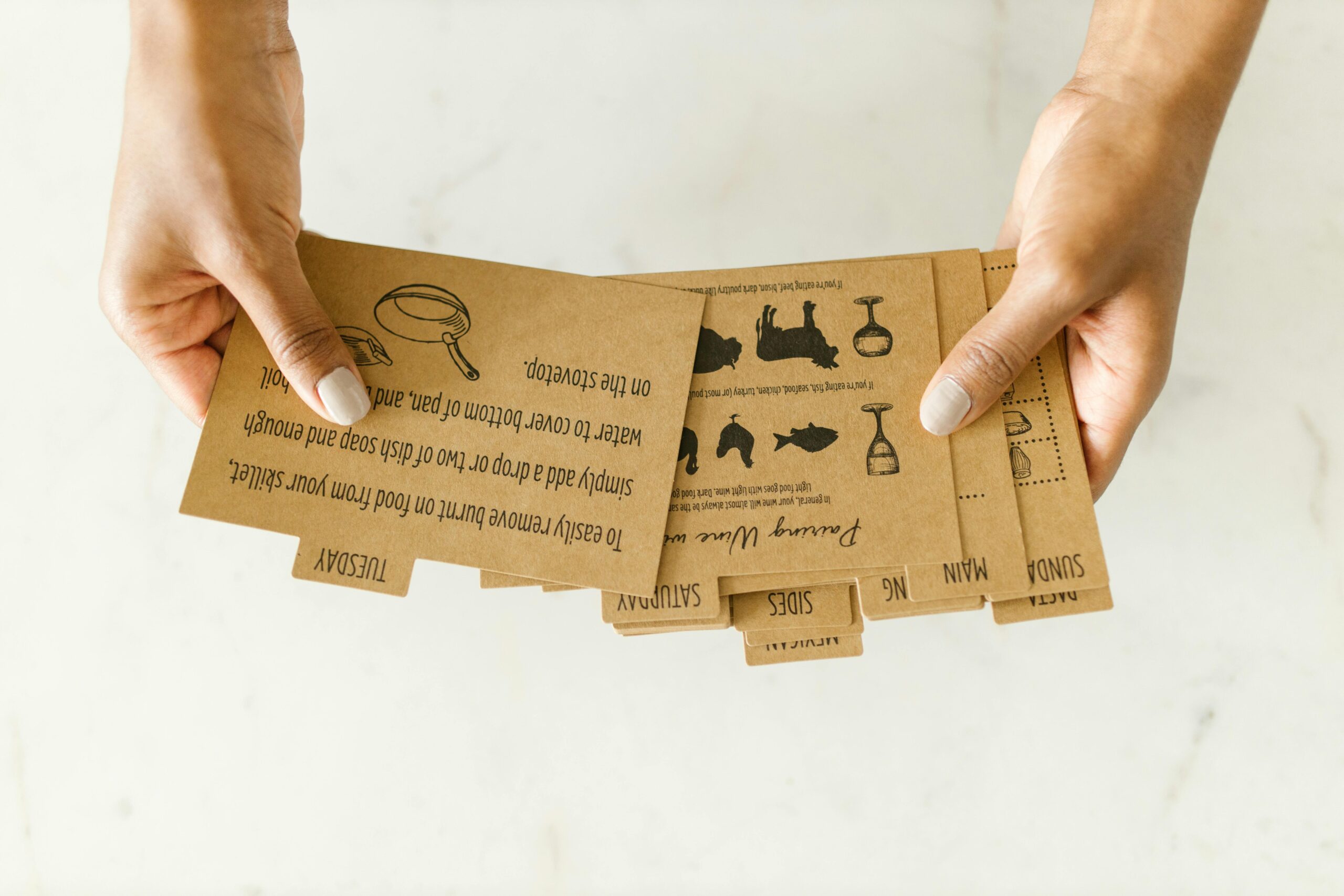
✨ Your Family’s Food Freedom Awaits
Weekly meal planning isn’t about perfection or complicated systems—it’s about reclaiming your evenings, reducing stress, and creating space for what truly matters. The 30 minutes you invest in planning saves hours of decision-making, shopping, and last-minute scrambling throughout the week.
Start where you are with what you have. Plan just three dinners for your first week if that feels manageable. Use a simple notebook if apps seem overwhelming. Shop your pantry before buying anything new. Small steps create sustainable habits that transform your family’s relationship with mealtime.
The dinner table can once again become a place of connection rather than stress, where conversations flow and everyone feels nourished in body and spirit. Your journey to stress-free meal planning starts with a single decision: choosing to plan your next week. That choice ripples outward, creating calmer evenings, healthier eating, and more quality time with the people you love most. Master your week, and you’ll transform not just your mealtimes, but your entire family experience. 🍽️