
Dinner time doesn’t have to be stressful. With the right weekly meal planning system, you can transform chaotic evenings into smooth, enjoyable experiences that bring your family together.

Most people dread the daily question: “What’s for dinner?” This seemingly simple question triggers a cascade of stress, leading to last-minute grocery runs, expensive takeout orders, and unhealthy fast-food choices. But there’s a better way—a system that eliminates decision fatigue, saves you precious hours each week, and ensures your family enjoys nutritious, delicious meals without the daily struggle.
Why Your Current Dinner Routine Is Costing You More Than You Think 💸
Before diving into the solution, let’s examine the hidden costs of not having a structured meal planning system. The average family wastes approximately 4-6 hours per week just thinking about what to eat, shopping multiple times, and dealing with cooking stress. That’s nearly 250 hours annually—more than 10 full days of your life.
Beyond time, there’s the financial impact. Households without meal plans spend 40% more on groceries due to impulse purchases and food waste. The typical family throws away $1,500 worth of unused food each year. Add frequent restaurant visits and delivery fees, and you’re looking at thousands of dollars that could be saved with proper planning.
The mental toll is equally significant. Decision fatigue from constantly figuring out meals drains your energy for things that truly matter. The stress of rushing to prepare dinner after a long workday affects your mood, relationships, and overall wellbeing.
The Foundation: Building Your Personal Meal Planning Framework 🏗️
Creating an effective meal planning system starts with understanding your unique lifestyle, preferences, and constraints. This isn’t about following someone else’s perfect Instagram-worthy meal plan—it’s about designing a sustainable system that works for YOUR family.
Assess Your Current Situation Honestly
Begin by tracking your meals for one week without making changes. Note what you ate, how long preparation took, how much you spent, and how stressed you felt. This baseline data reveals patterns and problem areas you need to address.
Consider your weekly schedule realistically. Which nights are busiest? When do you have more cooking time? Who’s home for dinner each night? Your meal plan should flex around your life, not force your life to conform to unrealistic expectations.
Define Your Non-Negotiables
Every family has different priorities. Some non-negotiables might include dietary restrictions, budget limits, cooking time constraints, or specific nutritional goals. Write these down clearly. They’ll guide every decision in your meal planning system and prevent you from adopting strategies that won’t work for you.
The Ultimate Weekly Meal Planning System: Step-by-Step 📋
Now let’s build your time-saving system. This method has helped thousands of families reclaim their evenings and reduce dinner stress to nearly zero.
Step 1: Designate Your Planning Power Hour
Choose one specific time each week for meal planning—make it a recurring appointment with yourself. Most people find success with Sunday afternoons or Wednesday evenings. During this hour, you’ll plan meals, create shopping lists, and prep what you can in advance.
Consistency is crucial. Your brain will adapt to this routine, making the process faster and more automatic over time. After a few weeks, what initially took an hour will shrink to 30-40 minutes.
Step 2: Create Your Master Recipe Collection
Compile 20-30 recipes your family actually enjoys. This becomes your rotation—a curated collection of tried-and-true meals that eliminate the “what should we eat” paralysis. Organize them by category: quick weeknight dinners (under 30 minutes), slow cooker meals, weekend special dinners, and batch-cooking options.
For each recipe, note preparation time, required ingredients, and any make-ahead possibilities. This information speeds up your weekly planning significantly. Don’t overthink this step—start with recipes you already know and gradually expand your collection.
Step 3: Implement Theme Nights for Effortless Decisions
Theme nights are game-changers for reducing decision fatigue. Assign a general theme to each weeknight, such as:
- Monday: One-Pot Wonders
- Tuesday: Taco/Mexican Night
- Wednesday: Pasta & Italian
- Thursday: Sheet Pan Dinners
- Friday: Homemade Pizza or Leftovers
Themes provide structure while maintaining flexibility. You’re not eating the exact same meal every Monday, but you’re working within parameters that make planning exponentially easier. The kids know what to expect, and you’re never starting from a blank slate.
Step 4: Strategic Grocery Shopping That Saves Time and Money
With your weekly plan established, create a organized shopping list grouped by store sections: produce, proteins, dairy, pantry, frozen. This simple organization cuts shopping time by 30-40% because you’re not zigzagging across the store or forgetting items.
Shop once per week when possible. Multiple grocery trips waste time and increase impulse purchases. If you need fresh ingredients mid-week, keep those trips focused on 3-5 specific items.
Consider grocery delivery or pickup services for ultimate time savings. While there may be a small fee, the hours saved and impulse purchases avoided often make this investment worthwhile.
Game-Changing Prep Strategies That Multiply Your Time ⏰
The secret weapon in any meal planning system is strategic preparation. Small prep investments create massive time dividends throughout the week.
The Sunday Prep Session
Dedicate 1-2 hours on your planning day to prepare ingredients for the week ahead. This doesn’t mean cooking entire meals—it means setting yourself up for success with ready-to-use components.
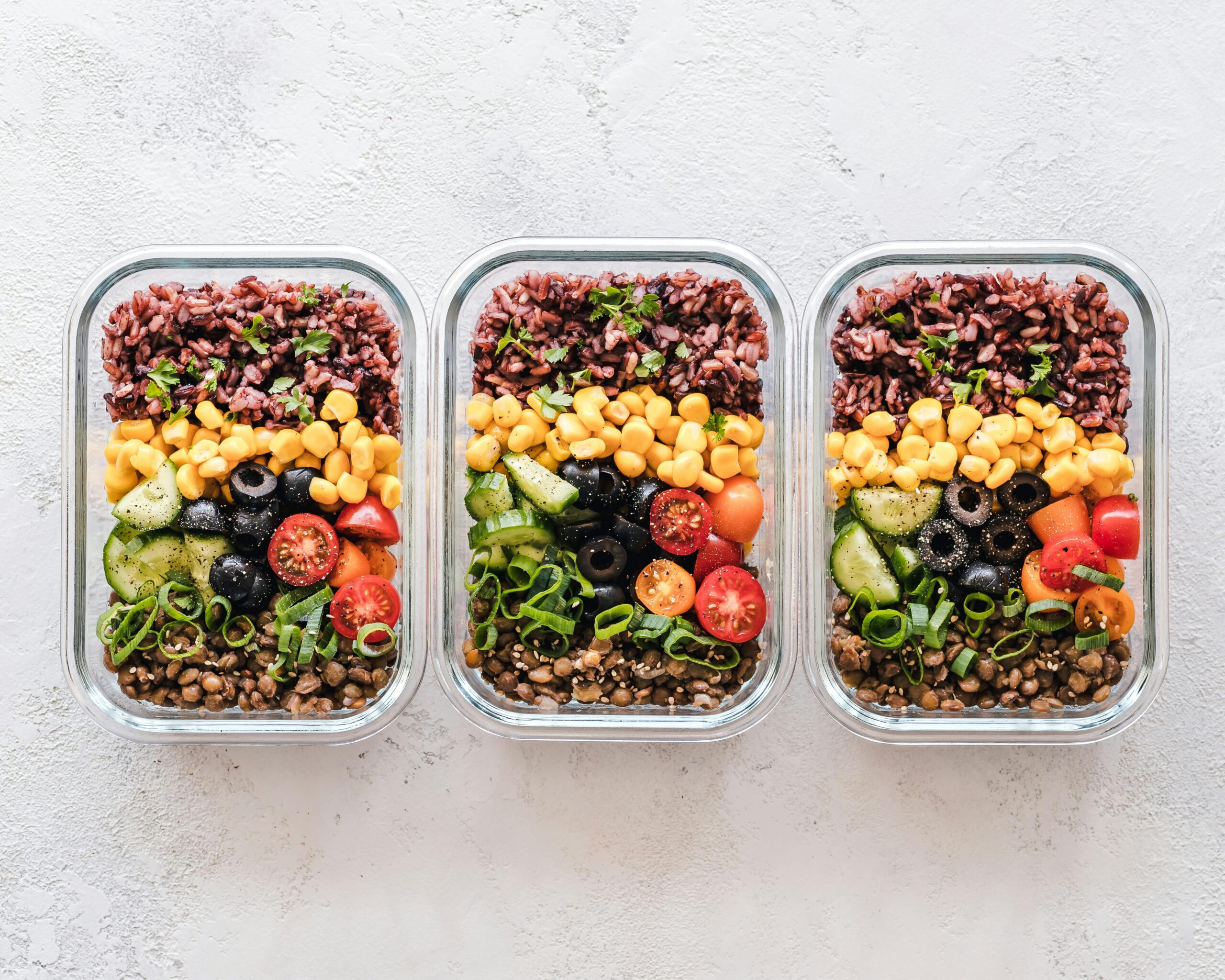
Wash and chop vegetables, portion proteins into meal-sized containers, cook grains like rice or quinoa in bulk, prepare sauces or marinades, and wash salad greens. These simple tasks remove friction from weeknight cooking, transforming 45-minute meals into 20-minute dinners.
Batch Cooking Basics
Identify recipes that scale well and freeze beautifully. Soups, casseroles, marinated proteins, and sauces are perfect candidates. When preparing these meals, double or triple the recipe. The extra effort is minimal, but you’re creating future meals that only require reheating.
Maintain a “freezer meal inventory” list on your refrigerator. This prevents forgotten meals from languishing in the back of your freezer and gives you emergency dinner options for unexpectedly chaotic days.
Technology Tools That Enhance Your Meal Planning System 📱
While meal planning doesn’t require fancy apps, the right technology can streamline your system significantly. Several excellent tools help organize recipes, generate shopping lists, and track your inventory.
Digital meal planning apps offer features like recipe storage, automated shopping lists that sync across devices, nutritional information tracking, and leftover management. Many integrate with grocery delivery services, allowing you to order ingredients directly from your meal plan.
Choose tools that match your tech comfort level. A simple notes app or spreadsheet works perfectly for some families, while others prefer comprehensive meal planning platforms with all the bells and whistles.
Overcoming Common Meal Planning Obstacles 🚧
Even the best system encounters challenges. Here’s how to navigate the most common roadblocks that derail meal planning efforts.
When Family Members Have Different Preferences
Picky eaters and varied tastes don’t have to sabotage your planning. Implement “deconstructed meals” where components are served separately, allowing everyone to customize their plate. Taco bars, pasta stations, and build-your-own Buddha bowls satisfy diverse preferences without cooking multiple meals.
Establish a “try it” rule where everyone tastes new dishes without complaint, but keep 2-3 universally accepted backup meals in your rotation for particularly challenging weeks.
Handling Schedule Changes and Unexpected Events
Flexibility is essential for long-term success. Build buffer nights into your plan—typically Friday or Saturday—where leftovers, simple meals, or takeout are acceptable options. When Tuesday’s dinner doesn’t happen, shift it to your buffer night rather than abandoning your plan entirely.
Keep emergency meals in your freezer and pantry: frozen pizzas, pasta with jarred sauce, or breakfast-for-dinner ingredients. These backups prevent stressed-out takeout orders when life happens.
Breaking Through Motivation Slumps
Even committed planners experience weeks where meal planning feels overwhelming. During these periods, simplify ruthlessly. Rely heavily on your proven favorites, use more convenience items, or implement a “rotation week” where you repeat last month’s successful plan without modifications.
Remember that imperfect meal planning beats no meal planning. Three planned dinners are infinitely better than zero. Give yourself permission to scale back during demanding seasons without guilt.
Advanced Strategies for Meal Planning Masters 🎓
Once your basic system runs smoothly, these advanced techniques can optimize your results even further.
Strategic Ingredient Overlap
Plan meals that share ingredients to reduce grocery costs and minimize waste. If Monday’s dinner uses half a bunch of cilantro, plan Tuesday’s or Wednesday’s meal to use the remainder. This approach significantly reduces those sad, wilted vegetables in your crisper drawer.
Create a weekly “ingredient anchor” where one versatile ingredient appears in multiple meals. Roasted chicken on Sunday becomes chicken tacos Tuesday and chicken soup Thursday, maximizing your investment in quality proteins.
Seasonal and Sale-Based Planning
Align your meal plans with seasonal produce and weekly sales. This strategy delivers the freshest ingredients at the lowest prices while naturally varying your menu throughout the year. Check grocery flyers before planning, building meals around discounted proteins and in-season vegetables.
Building a Leftovers Strategy
Intentional leftover planning prevents waste and creates effortless lunches or quick dinners. Designate one night weekly as “leftovers remix night” where you creatively repurpose previous meals. Last night’s roasted vegetables become a frittata, taco filling, or grain bowl topping.
Measuring Your Success and Adjusting Your System 📊
After implementing your meal planning system for one month, evaluate its effectiveness. Track metrics that matter to you: hours saved, money spent versus your previous average, meals eaten at home versus restaurants, and stress levels during dinner time.
Celebrate improvements, even small ones. Cooking at home four nights per week instead of two represents massive progress. Spending 30 minutes less at the grocery store each week returns 26 hours to your life annually.
Continuously refine your approach. Remove recipes that nobody enjoyed, add new discoveries to your rotation, and adjust your planning schedule if timing isn’t working. Your meal planning system should evolve with your family’s changing needs and preferences.
From Survival Mode to Thriving: The Long-Term Benefits ✨
The true magic of a weekly meal planning system reveals itself over months and years, not days. Families who maintain consistent meal planning report profound changes beyond just easier dinners.
Financial benefits compound dramatically. The average family saves $400-600 monthly through reduced food waste, fewer impulse purchases, and decreased restaurant spending. That’s $5,000-7,000 annually—money that can fund vacations, pay down debt, or build emergency savings.
Health improvements emerge naturally. Planned meals tend to be more nutritious than last-minute decisions. You’ll eat more vegetables, reduce processed food consumption, and better manage portion sizes. Many families report weight loss, improved energy, and better management of dietary conditions simply through consistent home cooking.
The psychological benefits may be most valuable. Eliminating daily dinner decisions frees mental energy for work, hobbies, and relationships. The calm confidence of knowing exactly what’s for dinner—and having ingredients ready—reduces overall stress significantly.
Family connections strengthen when meals happen regularly at home without stress. Conversation flows more easily when parents aren’t frazzled from last-minute cooking chaos. Children develop healthier relationships with food when exposed consistently to home-cooked meals.
Your First Week: Getting Started Today 🚀
Don’t wait for the perfect moment to begin. Start your meal planning revolution this week with this simplified approach designed for beginners.
Choose just three dinners for your first planned week—perhaps Wednesday, Thursday, and Friday. Select simple recipes you’ve successfully made before. Write your shopping list, buy ingredients, and follow through with cooking those three meals. Allow other nights to remain unplanned as you build confidence and momentum.
The following week, plan four nights. Then five. Gradually expand your system as it becomes comfortable and automatic. This incremental approach prevents overwhelm and ensures lasting habit formation.
Invite family members into the process. Let children choose one meal weekly from appropriate options. Ask your partner to identify favorite recipes for your master collection. Shared ownership increases everyone’s investment in the system’s success.
Remember that perfection isn’t the goal—consistency is. Some weeks will go smoothly, others will require more flexibility. The meal planning habit matters more than flawless execution every single week.
Your dinner routine can transform from your most stressful daily challenge into a smooth, enjoyable part of family life. The ultimate time-saving weekly meal planning system isn’t about rigid rules or complicated processes—it’s about creating a personalized framework that removes friction, reduces decisions, and frees you to actually enjoy mealtimes with the people you love. Start today, stay consistent, and watch as reclaimed time and reduced stress revolutionize not just your dinners, but your entire quality of life. The investment of one hour weekly in planning returns dozens of hours in saved time, thousands of dollars in savings, and immeasurable peace of mind. Your future self will thank you for taking this step.