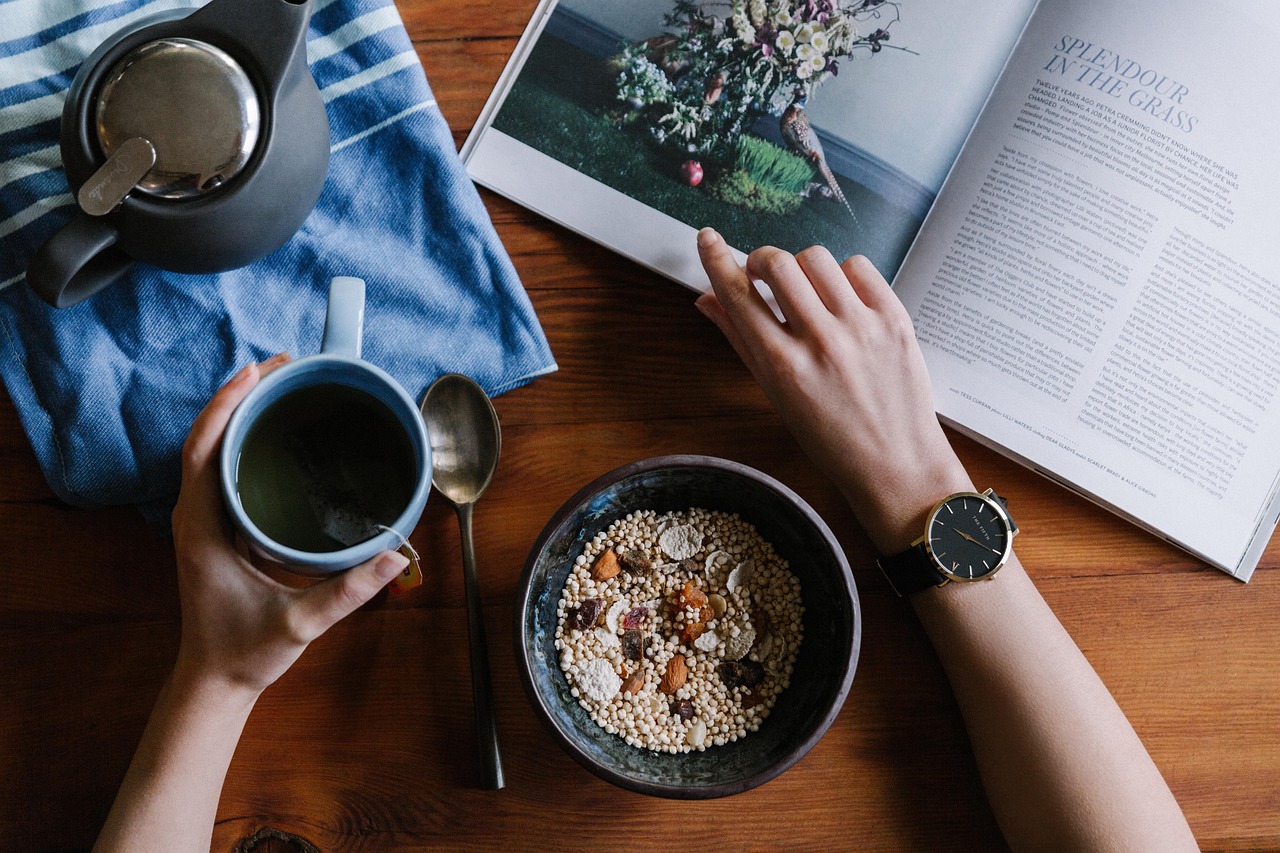
Shifting to a plant-forward lifestyle doesn’t mean abandoning your favorite foods or spending hours in the kitchen. It’s about making thoughtful choices that prioritize vegetables, fruits, whole grains, and legumes while still enjoying flexibility and flavor.

The beauty of plant-forward eating lies in its inclusivity and sustainability. Unlike strict vegan or vegetarian diets, this approach allows for occasional animal products while centering your plate around nutrient-dense plants. Whether you’re looking to improve your health, reduce your environmental footprint, or simply explore new flavors, transforming your weekly meals with a plant-forward twist opens up a world of culinary possibilities that are both simple and satisfying.
🌱 Understanding the Plant-Forward Philosophy
Plant-forward eating represents a flexible, inclusive approach to nutrition that emphasizes plant-based foods without requiring complete elimination of animal products. This philosophy recognizes that vegetables, fruits, whole grains, nuts, seeds, and legumes should occupy the starring role on your plate, while meat, dairy, and eggs become supporting characters rather than the main attraction.
Research consistently shows that diets rich in plant foods correlate with lower risks of chronic diseases, including heart disease, type 2 diabetes, and certain cancers. The abundance of fiber, antioxidants, vitamins, and minerals found in plants provides comprehensive nutritional support that processed and animal-heavy diets often lack.
What makes this approach particularly sustainable is its practicality. You’re not navigating strict rules or feeling deprived. Instead, you’re gradually expanding your repertoire of plant-based meals while maintaining the flexibility to include animal products when desired. This balanced perspective makes long-term adherence far more achievable than restrictive dietary patterns.
Building Your Plant-Forward Foundation
Success with plant-forward meal planning begins with stocking your kitchen thoughtfully. Your pantry, refrigerator, and freezer should contain a diverse array of plant-based staples that serve as building blocks for countless meals throughout the week.
Essential Pantry Staples
A well-stocked pantry eliminates the excuse of not having ingredients on hand. Consider these foundational items:
- Whole grains: brown rice, quinoa, farro, bulgur, whole wheat pasta, and oats provide fiber-rich bases for meals
- Legumes: canned or dried beans, lentils, and chickpeas offer affordable, protein-packed options
- Nuts and seeds: almonds, walnuts, chia seeds, hemp seeds, and tahini add healthy fats and texture
- Flavorful additions: vegetable broth, coconut milk, tomato products, and various vinegars enhance dishes
- Spices and herbs: cumin, turmeric, paprika, nutritional yeast, and dried herbs create depth without added calories
Fresh Produce Strategy
Rather than overwhelming yourself with excessive fresh produce that might spoil, adopt a strategic approach. Purchase versatile vegetables that work across multiple recipes and have reasonable shelf lives. Bell peppers, carrots, broccoli, cauliflower, sweet potatoes, and leafy greens serve as excellent foundation vegetables.
Frozen fruits and vegetables deserve recognition as nutritional powerhouses. Flash-frozen at peak ripeness, they retain nutrients exceptionally well and eliminate waste concerns. Keep bags of frozen berries, spinach, peas, and mixed vegetables on hand for quick meal additions.
🥗 The Art of Weekly Meal Planning
Effective meal planning transforms plant-forward eating from an aspirational concept into daily reality. The key lies in creating a system that feels manageable rather than burdensome.
Template-Based Planning Approach
Instead of planning every meal from scratch each week, develop meal templates that provide structure while allowing creativity. For example, establish patterns like “Monday grain bowls,” “Tuesday tacos,” “Wednesday pasta night,” and “Thursday curry.” This framework simplifies decision-making while preventing monotony through varied ingredients within each template.
Your grain bowl template might feature quinoa one week and farro the next, topped with different roasted vegetables, proteins, and dressings. Similarly, taco night could rotate between black bean and sweet potato fillings, lentil walnut “meat,” or chickpea variations.
Batch Cooking for Efficiency
Strategic batch cooking multiplies your efficiency without requiring extensive time investments. Dedicate a couple of hours during the weekend to prepare components that assemble into diverse meals throughout the week.
Cook large batches of grains, roast multiple trays of vegetables with different seasoning profiles, prepare two types of beans or lentils, and make versatile sauces or dressings. These prepared components mix and match to create substantially different meals, preventing flavor fatigue while minimizing daily cooking time.
Simple Plant-Forward Meal Formulas
Understanding basic meal formulas empowers you to create balanced, satisfying plant-forward meals without following recipes. These formulas provide nutritional completeness while encouraging creativity.
The Perfect Bowl Formula
Bowls represent the ultimate plant-forward meal format, offering visual appeal, nutritional balance, and infinite variety. Follow this simple formula:
| Component | Examples | Purpose |
|---|---|---|
| Base (1-2 cups) | Quinoa, brown rice, cauliflower rice, mixed greens | Foundation and fiber |
| Protein (½-1 cup) | Chickpeas, lentils, tofu, tempeh, edamame | Satiety and nutrients |
| Vegetables (1-2 cups) | Roasted, fresh, steamed, or pickled varieties | Vitamins and volume |
| Healthy fat | Avocado, nuts, seeds, tahini | Flavor and satisfaction |
| Flavor boost | Dressing, sauce, herbs, spices | Taste and excitement |
This formula works equally well for Mediterranean-inspired bowls with hummus and olives, Asian-influenced versions with miso dressing and sesame seeds, or Mexican-style combinations with salsa and cilantro.
The Sheet Pan Simplicity
Sheet pan meals exemplify convenience meeting nutrition. Arrange chopped vegetables and plant proteins on a baking sheet, season generously, and roast at 400-425°F until caramelized. The hands-off cooking method delivers concentrated flavors with minimal effort.
Try combinations like sweet potatoes, Brussels sprouts, and chickpeas with curry spices; or broccoli, cauliflower, and tofu with garlic and lemon. Serve over grains, stuff into wraps, or toss with pasta for complete meals.
💡 Flavor Mastery Without Complexity
One common misconception about plant-forward eating suggests blandness or sacrifice. In reality, plant-based ingredients offer remarkable flavor potential when properly seasoned and prepared.
Building Flavor Layers
Professional chefs understand that exceptional flavor develops through layering rather than single additions. Start with aromatic foundations like sautéed onions, garlic, and ginger. Add depth through spices and dried herbs, introduce acidity with citrus or vinegar, and finish with fresh herbs, nuts, or seeds for textural contrast.
Umami, the savory fifth taste, proves particularly important in plant-forward cooking. Nutritional yeast, miso paste, soy sauce or tamari, tomato paste, and mushrooms all contribute umami complexity that creates deeply satisfying dishes.
Sauce and Dressing Game-Changers
A collection of versatile sauces and dressings transforms simple ingredients into crave-worthy meals. Prepare these staples weekly and store them in the refrigerator for instant flavor infusions:
- Tahini lemon dressing: tahini, lemon juice, garlic, water, salt
- Cashew cream sauce: soaked cashews, nutritional yeast, garlic, plant milk
- Ginger miso dressing: miso paste, rice vinegar, fresh ginger, sesame oil
- Cilantro lime sauce: cilantro, lime juice, jalapeño, garlic, olive oil
- Romesco sauce: roasted red peppers, almonds, garlic, smoked paprika
Navigating Common Challenges
Transitioning toward plant-forward eating presents predictable obstacles. Anticipating these challenges and developing solutions increases your likelihood of sustainable success.
Time Constraints Reality
Modern life demands efficiency. Combat time pressure by embracing convenience products without guilt. Pre-chopped vegetables, canned beans, frozen grains, and store-bought hummus or salsa legitimately simplify meal preparation without compromising nutrition.
Additionally, one-pot meals like hearty soups, stews, and curries minimize both cooking and cleaning time while delivering satisfying nutrition. These dishes often taste even better the next day, making them perfect for meal prep.
Family Acceptance Strategies
Introducing plant-forward meals to skeptical family members requires thoughtfulness. Rather than announcing dietary changes, simply serve delicious food. Familiar formats like tacos, pasta, pizza, and burgers work beautifully with plant-forward adaptations.
Involve family members in meal planning and preparation, allowing them to choose recipes or customize bowls. Gradual introduction proves more effective than dramatic overnight changes. Start with one or two plant-forward dinners weekly and expand as comfort grows.
🍽️ Sample Weekly Meal Plan
Seeing a complete week of plant-forward meals demonstrates how variety, nutrition, and simplicity coexist beautifully.
Monday: Mediterranean quinoa bowl with roasted chickpeas, cucumber, tomatoes, olives, hummus, and lemon tahini dressing
Tuesday: Black bean and sweet potato tacos with avocado, pickled onions, cilantro, and cashew sour cream
Wednesday: One-pot coconut curry lentils with spinach, served over brown rice
Thursday: Sheet pan tofu and vegetables (broccoli, bell peppers, snap peas) with peanut sauce and rice noodles
Friday: Whole wheat pasta with marinara, white beans, sautéed kale, and nutritional yeast
Saturday: Loaded sweet potato with black beans, corn, salsa, avocado, and tahini drizzle
Sunday: Hearty vegetable and lentil soup with crusty whole grain bread
Notice how this week incorporates diverse global flavors, varied cooking methods, and different plant proteins while remaining straightforward to execute.
Smart Shopping for Plant-Forward Success
Your shopping habits directly influence meal planning success. Approach grocery shopping with intention rather than impulse, focusing on nutrient-dense options that support your plant-forward goals.
Shop the perimeter of the store first, where fresh produce, bulk bins, and refrigerated plant proteins typically reside. Build your cart foundation with vegetables, fruits, and whole foods before venturing into center aisles for pantry staples.
Seasonal shopping provides both economic and culinary benefits. In-season produce costs less and tastes better, naturally encouraging variety throughout the year. Farmers markets offer excellent opportunities to discover new vegetables and connect with food sources.
🌟 Making Plant-Forward Meals Special
Plant-forward eating shouldn’t feel like punishment or deprivation. Create meals that feel celebratory and indulgent while supporting your nutritional goals.
Restaurant-Quality Techniques at Home
Simple techniques elevate home cooking substantially. Properly caramelize vegetables by avoiding overcrowding pans and allowing surfaces to brown. Toast nuts and seeds before adding them to dishes. Finish plates with flaky sea salt, fresh herbs, and textural elements like toasted breadcrumbs or crispy chickpeas.
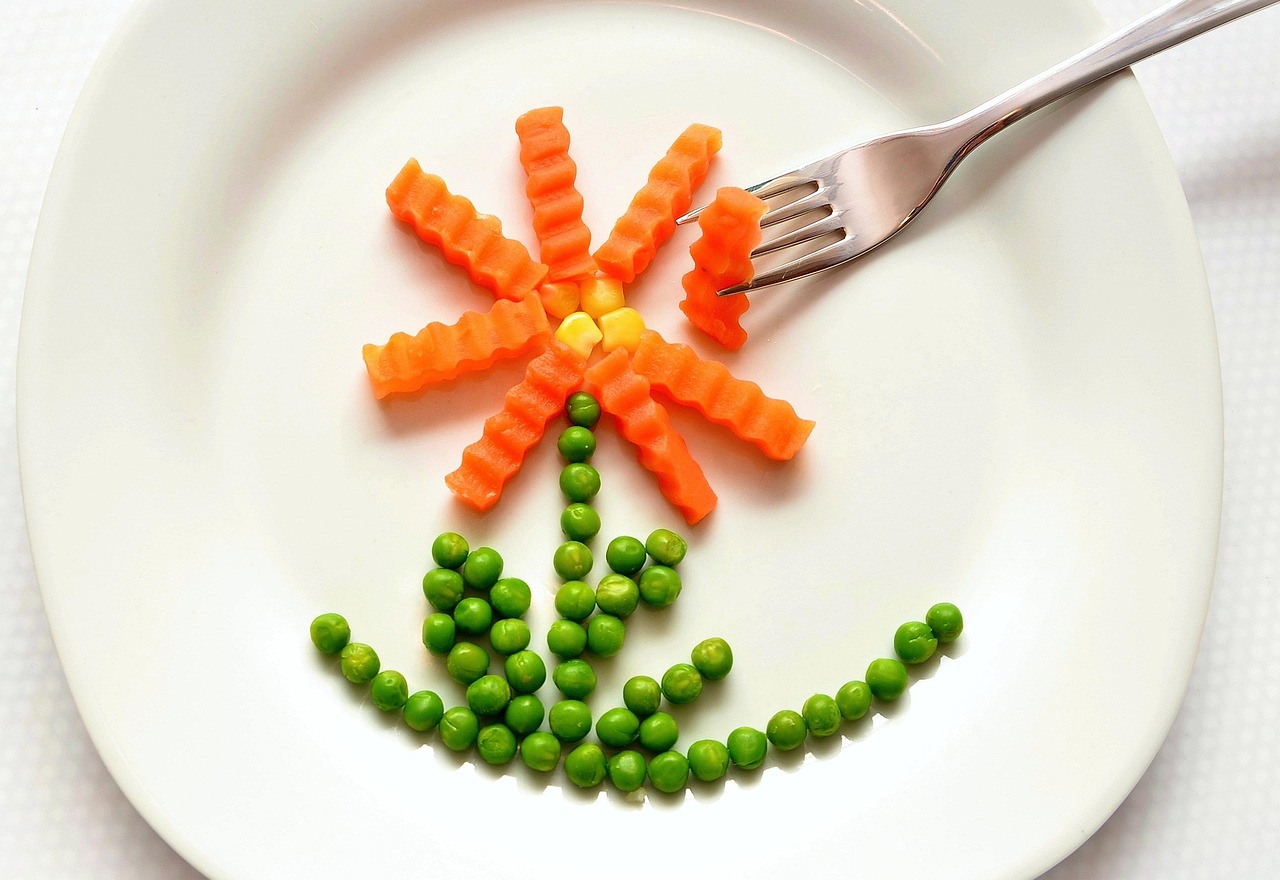
Presentation matters more than we acknowledge. Arrange food thoughtfully on plates rather than haphazardly piling components. Use colorful vegetables to create visual appeal. These small efforts increase meal satisfaction significantly.
Desserts and Treats
Plant-forward living accommodates sweets and treats without contradiction. Fruit-based desserts, date-sweetened energy balls, dark chocolate with nuts, and homemade banana ice cream satisfy sweet cravings while contributing nutrients.
The key lies in mindfulness rather than restriction. Enjoy treats made with quality ingredients, eaten with attention and appreciation, rather than processed sweets consumed unconsciously.
Measuring Your Progress Beyond the Scale
While many people adopt plant-forward eating for health improvements, progress manifests in numerous ways beyond weight changes. Pay attention to energy levels, digestion quality, skin clarity, sleep patterns, and mood stability.
Keep a simple food and feeling journal for several weeks, noting what you eat alongside how you feel physically and mentally. Patterns emerge that help you understand which foods serve you best and which meals leave you feeling optimal.
Celebrate non-scale victories like discovering new favorite vegetables, successfully preparing previously intimidating ingredients, or receiving compliments on a dish you created. These moments build confidence and motivation for continued exploration.
Your Sustainable Path Forward 🌿
Transforming your weekly meals with a plant-forward twist represents a journey rather than a destination. Progress unfolds gradually through consistent small choices rather than perfect execution. Some weeks you’ll prepare elaborate meals with fresh ingredients; other weeks you’ll rely on simpler combinations and convenience products. Both approaches support your overall goals.
The most successful plant-forward eaters embrace flexibility and self-compassion. They view occasional restaurant meals, travel disruptions, or busy weeks as normal life occurrences rather than failures. They return to their established patterns without judgment or drama.
Start wherever you are right now. Choose one meal this week to make more plant-forward. Try one new vegetable or grain you’ve never prepared. Experiment with one sauce that could transform multiple meals. These small steps accumulate into significant dietary shifts that enhance your health, expand your culinary skills, and demonstrate that nutritious eating can be simultaneously simple, delicious, and deeply satisfying.
Your plate holds tremendous power to influence your wellbeing, environmental impact, and daily enjoyment. By centering plants while maintaining flexibility, you create a sustainable eating pattern that nourishes both body and spirit for years to come.